Fitness-Incentivized Public Transit
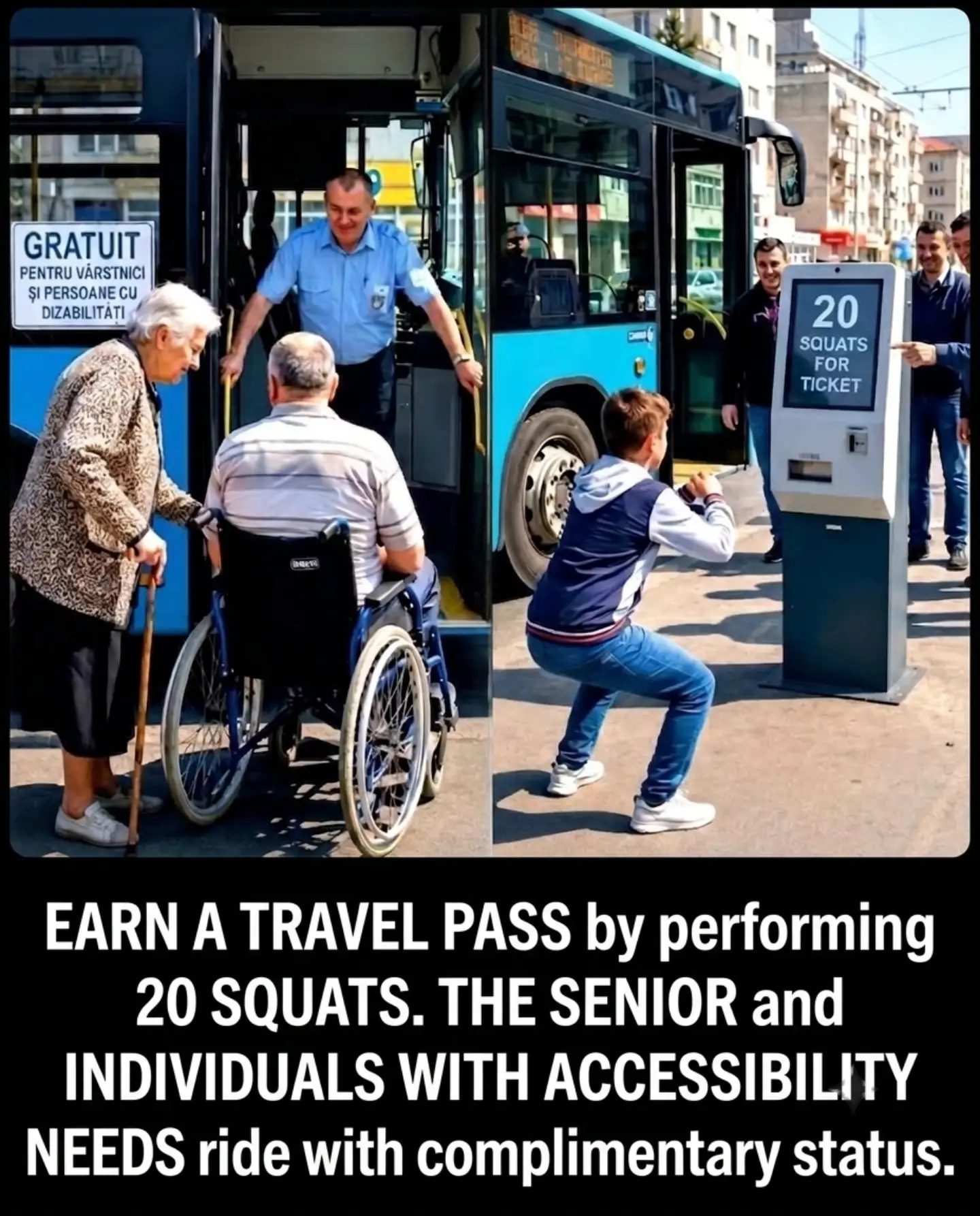
In Cluj-Napoca, Romania, you can quite literally exercise your way to earning a free travel pass. Commuters can whip out 20 squats at a smart kiosk and receive a complimentary ticket for the bus. The initiative also includes a nod to accessibility, offering free travel for seniors and individuals with mobility impairments. This innovative program aims to incorporate physical activity into everyday routines while promoting inclusivity in public transportation. The city's approach serves as a model for other urban areas looking to boost public health and accessibility simultaneously.
Why This Matters
The combination of fitness incentives and accessible travel in Cluj-Napoca highlights a critical intersection of public health and urban mobility. By encouraging physical activity through a simple yet engaging exercise program, the city integrates health benefits into a routine activity. This aligns with broader global trends that emphasize the importance of regular exercise and public transportation as key components of a healthy lifestyle.
Moreover, the initiative addresses the needs of seniors and individuals with accessibility challenges, ensuring that public transit remains inclusive. This dual focus on health and accessibility can inspire other cities to rethink their public transportation systems, making them more user-friendly and health-promoting.
Main Discussion
The Squat Challenge
At the heart of Cluj-Napoca's initiative is a simple yet effective fitness challenge: performing 20 squats at a smart kiosk to earn a free bus ticket. This approach leverages the popularity of fitness routines without requiring significant changes to the daily routines of commuters.
Integration with Public Transit
The city has strategically placed smart kiosks at bus stops, making it easy for commuters to participate. The integration of this fitness challenge into the public transit system exemplifies how urban infrastructure can be leveraged to promote health. The kiosks serve as both a ticketing system and a fitness station, encouraging users to engage in physical activity before boarding.
Encouraging Regular Exercise
By making exercise a prerequisite for a free bus ticket, the city incentivizes regular physical activity. The squat challenge is designed to be simple enough for most people to complete, making it an accessible form of exercise for all ages and fitness levels. This approach removes barriers to exercise, as it does not require special equipment or a gym membership.
Smart Technology in Public Transit
The initiative's reliance on smart kiosks underscores the growing importance of technology in public transit systems. These kiosks not only facilitate the squat challenge but also streamline the ticketing process, reducing wait times and improving efficiency.
Data Collection and Health Insights
The use of smart kiosks also allows for data collection, which can provide valuable insights into public health trends. By tracking participation in the squat challenge, the city can gather data on fitness levels and exercise habits, helping to inform future health initiatives.
Accessibility Features
The kiosks are designed with accessibility in mind, featuring user-friendly interfaces and adjustable heights to accommodate individuals of all abilities. This ensures that the fitness challenge is inclusive and accessible to everyone, regardless of their physical limitations.
Practical Tips
For Commuters
If you find yourself in Cluj-Napoca, taking advantage of the squat challenge is a great way to incorporate some exercise into your daily routine. Here are a few tips to make the most of the initiative:
Plan Ahead
Before heading to the bus stop, make sure you're aware of the squat challenge requirements. Ensure you have enough time to complete 20 squats at the kiosk before boarding your bus.
Stay Hydrated
Squats can be challenging, especially if you're not used to physical activity. Make sure to stay hydrated and take breaks if needed.
Make It a Habit
Incorporating the squat challenge into your daily commute can help make exercise a habit. Over time, you may find that you look forward to the challenge as part of your routine.
For Cities and Urban Planners
For urban planners looking to implement similar initiatives, consider the following:
Identify Key Locations
Choose high-traffic areas for your fitness stations, such as bus stops, train stations, and public parks. This ensures maximum participation and visibility.
Engage the Community
Encourage community involvement by hosting events or challenges related to the fitness initiative. This can help build momentum and keep participants engaged.
Monitor and Adjust
Regularly review the data collected from your fitness stations to assess participation and impact. Use this information to make adjustments and improvements to your program.
Important Takeaways
The initiative in Cluj-Napoca demonstrates the potential for integrating fitness into everyday activities and public transit. By offering a free travel pass in exchange for 20 squats, the city encourages physical activity while promoting inclusivity and accessibility. This approach serves as a model for cities looking to enhance public health and transportation systems.
Through the use of smart technology, Cluj-Napoca has created an innovative solution that benefits both commuters and the broader community. The initiative not only promotes health and fitness but also sets a precedent for how cities can leverage technology to address public health challenges.
Conclusion
Incorporating fitness into daily routines through innovative public transit initiatives is a win-win for both public health and accessibility. Cluj-Napoca's squat challenge for a free bus ticket exemplifies how cities can creatively promote physical activity while ensuring that public transit remains accessible to all. By following similar models, other urban areas can enhance their public health and transportation systems, making them more inclusive and health-promoting.
Watch the Reel
Questions readers ask
How many squats do I need to do to earn a free bus ride in Cluj-Napoca?
To earn a free bus ride in Cluj-Napoca, you need to complete 20 squats at one of the smart kiosks located throughout the city. The squats are monitored to ensure they are done correctly.
Are there any exceptions to earning a free bus ride through the fitness initiative?
Yes, seniors and individuals with mobility impairments are eligible for free bus travel without needing to perform squats. This ensures the initiative is inclusive and accessible to all.
What is the primary goal of Cluj-Napoca's fitness transit initiative?
The primary goal is to encourage daily physical activity among commuters and make public transit more accessible. By integrating exercise into the daily routine, the initiative aims to promote a healthier lifestyle for all residents.
How does the smart kiosk work for earning a free bus ride?
The smart kiosk is equipped with sensors to monitor and count the squats performed. Once 20 squats are completed correctly, the kiosk dispenses a ticket that can be used for a free bus ride.
Can anyone participate in the fitness transit initiative?
Yes, the initiative is designed for all ages and abilities. However, seniors and individuals with mobility impairments can receive free travel without the need to perform squats, ensuring that everyone can benefit from this program.
Where can I find the smart kiosks for earning free bus rides in Cluj-Napoca?
The smart kiosks are strategically placed throughout Cluj-Napoca at various public transit locations. Check the official transit maps or city resources for the exact locations where you can perform your squats and earn a free bus pass.
What happens if I can't complete 20 squats at the kiosk?
If you are unable to complete the 20 squats, you will not be eligible for the free bus ride in that session. However, you can try again at a later time. The initiative is flexible, allowing you to participate whenever you are able.
Recent articles
Fresh deep dives from the latest Reels we unpacked.




Comments
Be the first to comment.