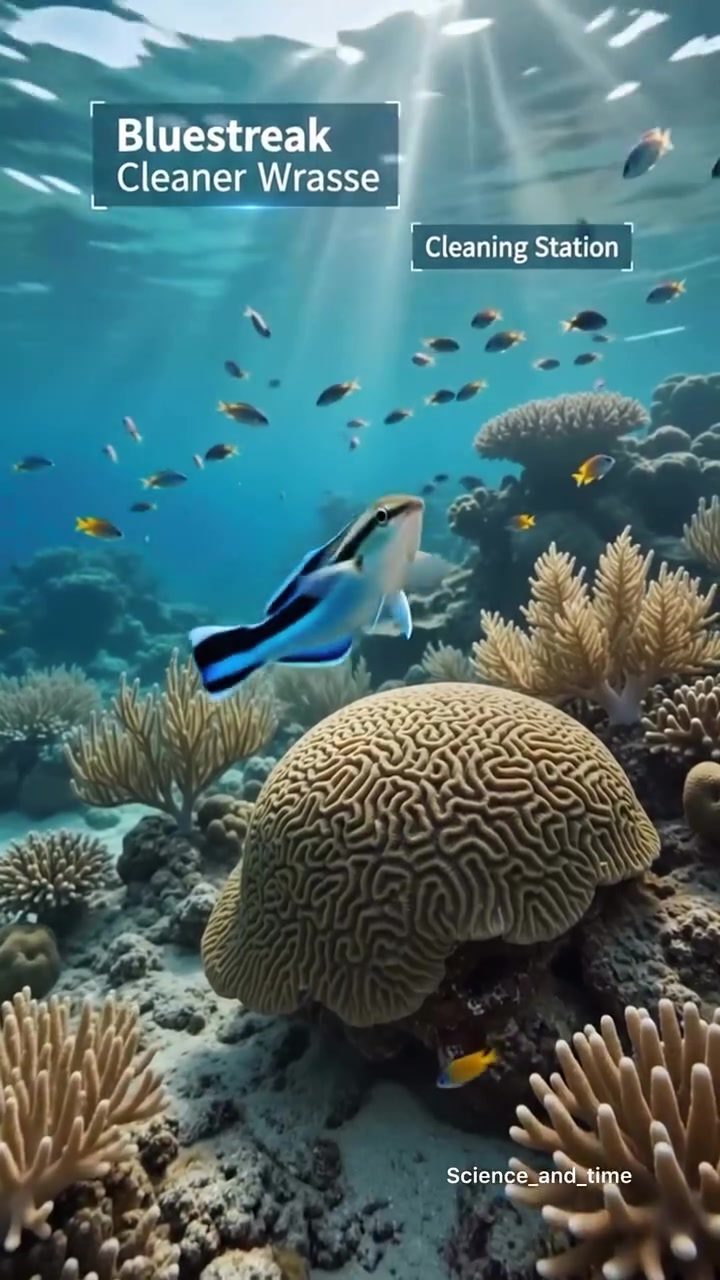
The Doctor Fish and the Bluestreak Cleaner Wrasse
The vibrant world of coral reefs is home to a myriad of fascinating creatures, each playing a crucial role in maintaining the ecosystem's health. Among these, the Doctor Fish (Garra rufa) and the Bluestreak Cleaner Wrasse are two tiny fish that have gained significant attention for their unique roles.
Doctor Fish, renowned for their gentle skin-removing capabilities, are found in the warm rivers and hot springs of the Middle East. These small, toothless fish use their tiny mouths to remove dead skin, making them nature’s tiny underwater doctors. The process, although beneficial, might sound unusual to many. These fish are known to interact with humans, a testament to their unique behavior. Scientists and tourists alike have been captivated by their activities, observing them in their natural habitats.
The Bluestreak Cleaner Wrasse, on the other hand, is a vital cogs in the coral reef ecosystem. These fish are seen performing a special dance to invite larger fish to their cleaning stations. This dance is more than just a spectacle; it's a crucial part of their symbiotic relationship with other marine creatures.
The Cleaning Process
The cleaning process involves several key players. A common sight in the reef is a giant moray eel opening its mouth, waiting patiently for the Bluestreak Cleaner Wrasse to remove parasites, dead skin, and excess mucus. This behavior is not just a one-time occurrence but a daily routine where countless animals, from reef sharks to sea turtles, visit the cleaning stations.
The cleaning stations are specific areas in the reef where multiple fish species gather for this essential service. These stations are hubs of activity, demonstrating a level of mutual trust between the cleaning fish and their clients. This mutualism is a classic example of how different species coexist and rely on each other for survival.
The Role of Cleaner Fish in the Ecosystem
Cleaner fish play a much bigger role than just maintaining the health of individual fish. Their work is integral to the overall health of the coral reef ecosystem. By removing parasites and dead skin, they help prevent the spread of diseases among marine creatures. This, in turn, contributes to the overall health of the reef, ensuring that it remains a thriving habitat for countless species.
Mutualism in Coral Reef Ecosystems
The relationship between cleaner fish and their clients is a textbook example of mutualism. This symbiotic relationship benefits both parties involved. The larger fish get a thorough cleaning, which helps them stay healthy and strong. On the other hand, the cleaner fish enjoy a nutritious meal, which is essential for their survival.
This interaction also highlights the importance of trust in the marine world. Despite the potential threat posed by predators like reef sharks and powerful groupers, the cleaner fish carry out their duties without fear. This trust is a testament to the delicate balance that exists in the coral reef ecosystem.
The Health of Coral Reefs
Coral reefs are among the most biodiverse ecosystems on Earth, providing habitat and food for countless marine species. Maintaining the health of these reefs is crucial for the overall health of the ocean. The work of cleaner fish, though small in scale, contributes significantly to this goal.
The Blue Streak Cleaner Rass
The Blue Streak Cleaner Rass, often found near cleaning stations, is a prime example of how small creatures can make a big difference. These fish are not just cleaning machines; they are essential players in the reef's ecosystem. Their presence ensures that the larger fish remain healthy, which in turn, contributes to the overall health of the reef.
Cleaner fish provide a vital cleaning service to other fish, removing parasites and dead skin. This process not only benefits the individual fish but also helps maintain the overall health of the reef. Cleaning stations are specific areas where multiple fish species gather for cleaning, making them important hubs of activity in the coral reef ecosystem.
Conclusion
The Doctor Fish and the Bluestreak Cleaner Wrasse are more than just tiny fish; they are nature's doctors, playing a crucial role in maintaining the health of coral reefs. Their unique behaviors and symbiotic relationships with other marine creatures highlight the intricate balance that exists in these ecosystems. By understanding and appreciating these tiny underwater doctors, we can gain a deeper appreciation for the complexity and beauty of our marine environments. Their interactions serve as a reminder of the delicate balance that exists in nature and the importance of preserving these ecosystems for future generations.
Watch the Reel
Questions readers ask
What exactly do Cleaner Wrasses do for coral reefs?
Cleaner Wrasses, such as the Bluestreak variety, contribute to coral reef health by providing a cleaning service. They remove parasites and dead skin from larger marine animals, helping to keep these animals healthy and preventing the spread of disease within the reef ecosystem. This process is a critical part of maintaining the overall well-being of the coral reef.
How do Cleaner Wrasses establish their cleaning stations?
Cleaner Wrasses set up their cleaning stations in specific locations on the coral reef, often near prominent structures. They attract larger marine animals by exhibiting specific behaviors and using distinctive body movements to signal their services. These cleaning stations serve as hubs for symbiotic relationships, where various species collaborate for mutual benefit.
What is the role of the Bluestreak Cleaner Wrasse in reef symbiosis?
The Bluestreak Cleaner Wrasse plays a pivotal role in reef symbiosis by forming mutualistic relationships with larger fish. These wrasses clean parasites and dead skin from their clients, which benefits both parties: the client fish remains healthy and the wrasse gains a meal. This dynamic fosters a collaborative environment, essential for the overall health and balance of the coral reef.
Why are Cleaner Wrasses considered nature's cleaning teams?
Cleaner Wrasses are known as nature's cleaning teams because of their essential role in maintaining marine hygiene. By removing parasites and dead skin from larger marine animals, they prevent the spread of diseases and contribute to the overall health of the coral reef ecosystem. Their unique service is a key component of the reef's natural balance and is a fascinating example of how different species interact and rely on each other.
How do Cleaner Wrasses benefit from their cleaning service?
Cleaner Wrasses benefit from their cleaning service primarily by obtaining food in the form of parasites and dead skin from their larger clients. This specialized diet ensures their survival and allows them to thrive in their coral reef environment. Additionally, their cleaning service establishes protective alliances, as larger fish often avoid harming the wrasses due to the mutualistic relationship.
What is the significance of the interactions between Cleaner Wrasses and sharks?
The interactions between Cleaner Wrasses and sharks are notable examples of reef fish symbiosis. These wrasses are known to clean sharks' teeth, removing parasites and bits of food. This service gives sharks a cleaner, healthier mouth and contributes to the reef's overall ecosystem balance. The wrasses benefit from the relationship by receiving a steady supply of food and gaining a protective alliance with the sharks.
How do Cleaner Wrasses contribute to coral reef health through parasite removal?
Cleaner Wrasses contribute to coral reef health by removing parasites from larger marine animals. This process prevents the spread of diseases and ensures the well-being of the larger animals, which are vital to the reef's ecosystem. By keeping these animals healthy, the wrasses indirectly support the overall vitality and resilience of the coral reef.
Recent articles
Fresh deep dives from the latest Reels we unpacked.




Comments
Be the first to comment.