Butterfly Chrysalis Biology
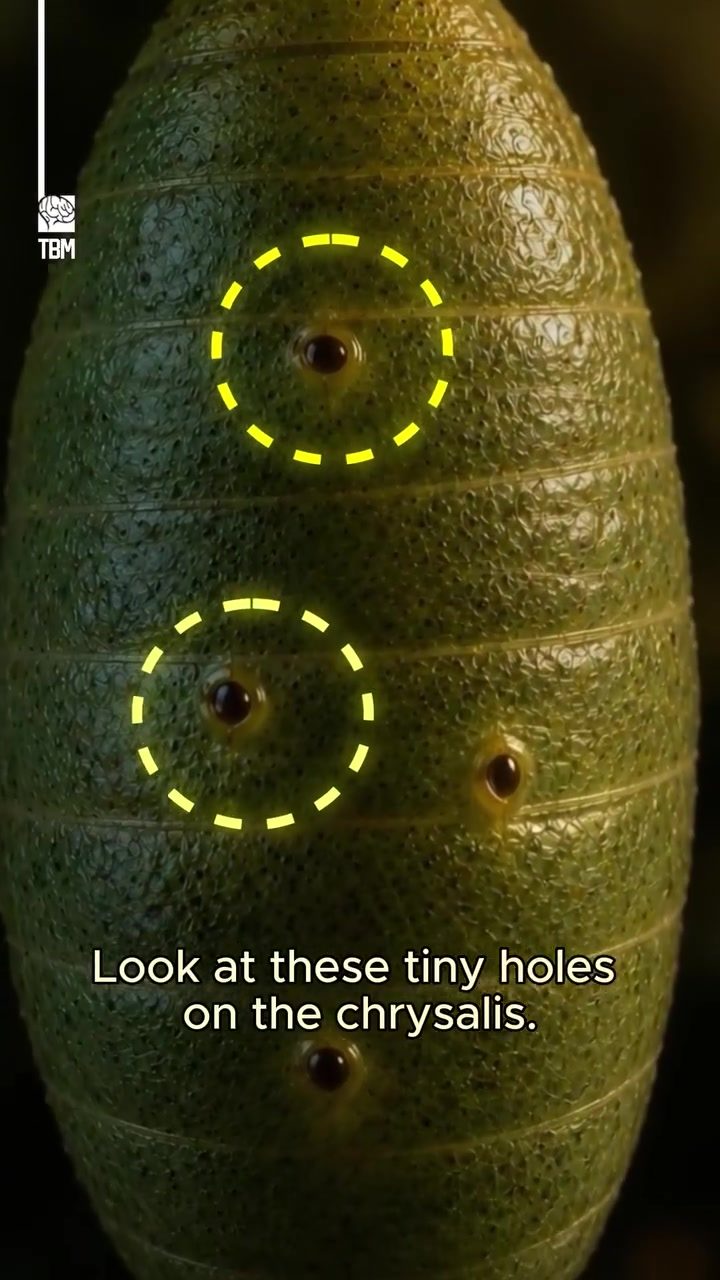
Chrysalises, the pupal stage of butterflies, are fascinating structures that undergo remarkable transformations. One of the most intriguing aspects of a chrysalis is how it breathes without lungs, a process that involves tiny holes on its exterior. These holes, known as spiracles, play a crucial role in the chrysalis's breathing system.
Why This Matters
Understanding the biology of a chrysalis offers insights into the intricate processes of metamorphosis in butterflies. The breathing mechanism of a chrysalis is not only fascinating but also essential for the survival and development of the butterfly inside.
The Breathing System of a Chrysalis
The Role of Spiracles
The tiny holes on a chrysalis, called spiracles, are vital for its breathing process. These openings are part of a network of tubes inside the chrysalis that carry oxygen directly to the tissues. Unlike humans, who rely on lungs, a chrysalis uses this network of tubes to breathe efficiently.
How Spiracles Function
Spiracles can open and close, regulating the flow of air. When open, they allow fresh air to enter, providing the necessary oxygen. Simultaneously, they help prevent excessive moisture from escaping, ensuring the chrysalis remains hydrated. This dual function is crucial for the chrysalis's survival during its vulnerable transformation period.
The Exchange of Gases
Oxygen enters the chrysalis through the spiracles and is distributed throughout the body via the hidden network of tubes. Carbon dioxide, a byproduct of cellular respiration, exits through the same openings. This efficient gas exchange ensures that the developing butterfly receives the oxygen it needs while expelling waste gases.
The Internal Transformation
The Reorganization Process
Inside the chrysalis, the caterpillar's body undergoes a complete reorganization. This process involves the breakdown of old tissues and the formation of new ones, all while the chrysalis remains relatively still on the outside. The breathing system, powered by the spiracles, supports this dramatic transformation.
The Development of a Butterfly
Even though a chrysalis may appear motionless from the outside, it is alive and actively changing. The caterpillar inside is slowly metamorphosing into a butterfly, a process that requires a continuous supply of oxygen. The spiracles and the network of tubes ensure that the developing butterfly has the necessary oxygen to complete this remarkable transformation.
Practical Tips for Observing Chrysalises
Choosing the Right Environment
When observing a chrysalis, it is important to provide a suitable environment. Ensure the chrysalis is in a quiet, undisturbed area with moderate humidity and temperature. This will help maintain the delicate balance needed for the chrysalis to breathe and develop properly.
Avoiding Disturbance
Handle the chrysalis with care, as any disturbance can affect its breathing and overall development. Avoid moving or touching the chrysalis unnecessarily to ensure a healthy transformation process.
Monitoring the Chrysalis
Regularly check the condition of the chrysalis, but do so from a distance. Look for signs of mold or discoloration, which could indicate problems with the chrysalis's health. If the chrysalis appears to be drying out, you can lightly mist it with water, but be careful not to drench it.
Important Takeaways
The spiracles on a chrysalis are essential for its breathing and overall health. These tiny holes facilitate the exchange of gases, ensuring the developing butterfly receives the oxygen it needs. The chrysalis's simple yet effective breathing system supports the dramatic transformation from caterpillar to butterfly, highlighting the wonders of nature's design.
Conclusion
The biology of a butterfly chrysalis reveals a complex and efficient breathing system that supports the remarkable process of metamorphosis. Understanding the role of spiracles and the internal reorganization process provides a deeper appreciation for the intricate workings of nature. By observing and caring for a chrysalis, you can witness firsthand the beauty and complexity of this natural phenomenon.
Watch the Reel
Questions readers ask
How do butterflies breathe inside a chrysalis?
Butterflies breathe inside a chrysalis through a system of tiny holes called spiracles. These spiracles facilitate gas exchange, allowing oxygen to enter and carbon dioxide to exit, which is essential for the developing butterfly's survival and transformation.
What are spiracles and where are they located?
Spiracles are small openings found on the exterior of a butterfly chrysalis. They are part of the butterfly's tracheal system, which is a network of tubes that distribute oxygen throughout the body.
How does a chrysalis prevent moisture loss while breathing?
The chrysalis uses a network of tubes connected to the spiracles to efficiently deliver oxygen to the tissues while minimizing water loss. This system ensures that the developing butterfly remains hydrated during its transformation.
Why is the breathing mechanism of a chrysalis important for metamorphosis?
The breathing mechanism of a chrysalis is crucial for metamorphosis because it ensures that the developing butterfly receives a steady supply of oxygen. This oxygen is necessary for the biological processes that occur during the transformation from a caterpillar to a butterfly.
Can spiracles be seen with the naked eye?
Yes, spiracles can be seen with the naked eye under the right conditions. They are small, but visible as tiny holes on the surface of the chrysalis. A magnifying glass can help to see them more clearly.
Are spiracles unique to butterflies?
No, spiracles are not unique to butterflies. They are found in many insects and arachnids. They are a key feature of the tracheal system, which is a defining characteristic of these arthropods.
Related deep dives
Similar reads based on topic and creator.




Recent articles
Fresh deep dives from the latest Reels we unpacked.




Comments
Be the first to comment.