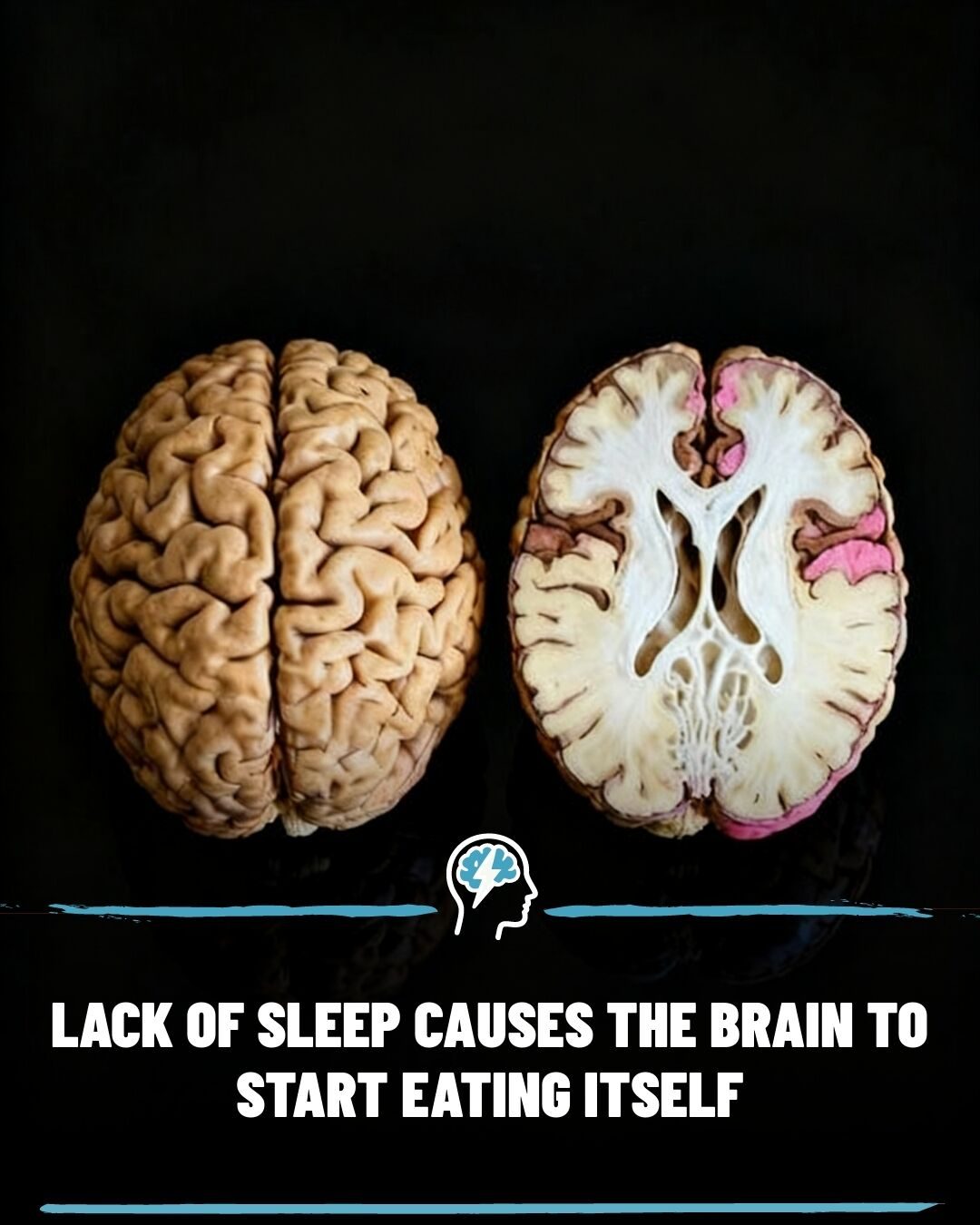
The Impact of Sleep on Brain Health
Sleep is more than just a period of rest; it is crucial for maintaining and enhancing brain health. Chronic sleep loss can have profound effects on the brain, affecting not only energy levels but also cognitive functions and overall neural health. The relationship between sleep and brain health is complex and multifaceted, influencing everything from memory and learning to overall cognitive function.
Why This Matters
Understanding the impact of sleep on brain health is essential for taking proactive steps to maintain cognitive well-being. The effects of chronic sleep loss can be serious, affecting both short-term and long-term brain function. By recognizing the importance of sleep, we can take steps to mitigate the risks associated with sleep deprivation and ensure better brain health.
The Role of Sleep in Brain Function
Sleep and Neural Connections
Sleep plays a critical role in maintaining the brain's neural connections. When sleep is restricted, the brain may start to break down its own connections, particularly in the hippocampus, the region responsible for memory. One study indicates that chronic sleep loss can harm neurons and the synapses that power thinking, learning, and memory, thereby compromising the brain's overall functionality.
Research shows that sleep deprivation can blunt long-term potentiation, a key process for learning, and lower neuroplasticity proteins that the brain needs to adapt and grow. This disruption in neural plasticity can affect how the brain processes information and retains memories, leading to cognitive impairments over time.
The Effect of Pleiotrophin
During restricted sleep, levels of a protective protein called pleiotrophin drop. Pleiotrophin is crucial for maintaining the health of hippocampal cells. A decrease in pleiotrophin levels may trigger hippocampal cell death via specific molecular pathways. This dysfunction has been linked to Alzheimer’s and other neurodegenerative diseases, underscoring the importance of adequate sleep in preventing these conditions.
Brain Fluid Dynamics
Sleep deprivation can also disrupt brain fluid dynamics, affecting the brain's ability to clear waste products and maintain optimal functioning. This disruption can push the waking brain into a low-arousal state, which can hurt attention and cognition. The brain's ability to function optimally is compromised, leaving individuals feeling less alert and more likely to experience cognitive lapses.
The Long-Term Effects of Sleep Deprivation
Chronic Sleep Loss
While one bad night of sleep may not have long-term effects, chronic sleep loss can be detrimental to brain health. The cumulative effects of week-after-week sleep restriction can lead to significant cognitive decline. The brain can recover from occasional sleep deprivation, but consistent, long-term sleep loss can have lasting impacts on brain health and overall well-being.
Recovery and Adaptation
Although the brain has some ability to recover from short periods of sleep deprivation, chronic sleep loss can lead to more permanent changes. In animals, some effects of sleep deprivation can linger even after recovery sleep, indicating that the brain may not fully return to its pre-deprivation state. This highlights the importance of consistent, quality sleep in maintaining brain health.
Neurodegenerative Diseases
Chronic sleep loss has been linked to an increased risk of neurodegenerative diseases. The disruption of neural connections and the decrease in protective proteins like pleiotrophin can contribute to conditions such as Alzheimer’s. Ensuring adequate sleep can help protect the brain from these potential risks, promoting long-term cognitive health.
Practical Tips for Better Sleep
Establish a Regular Sleep Schedule
Consistency is key when it comes to sleep. Try to go to bed and wake up at the same time every day, even on weekends. This helps regulate your body's internal clock and can improve the quality of your sleep.
Create a Sleep-Conducive Environment
Ensure your bedroom is dark, quiet, and cool. Invest in a comfortable mattress and pillows, and consider using earplugs or a white noise machine if necessary. Creating a relaxing environment can help you fall asleep faster and enjoy deeper, more restorative sleep.
Avoid Screens Before Bedtime
The blue light emitted by screens can interfere with your body's production of melatonin, a hormone that regulates sleep. Try to avoid using electronic devices at least an hour before bedtime. Instead, engage in relaxing activities like reading a book or taking a warm bath.
Limit Caffeine and Alcohol
Both caffeine and alcohol can disrupt your sleep. While caffeine can keep you awake, alcohol can interfere with the quality of your sleep. Try to avoid consuming these substances close to bedtime or limit their intake in general.
Incorporate Relaxation Techniques
Techniques such as deep breathing, meditation, and progressive muscle relaxation can help calm the mind and body, making it easier to fall asleep. Incorporating these practices into your bedtime routine can improve the overall quality of your sleep.
Seek Professional Help
If you are struggling with sleep, it may be helpful to consult a healthcare professional. They can help identify underlying causes of sleep disturbances and provide personalized solutions to improve your sleep hygiene and overall well-being.
Important Takeaways
Sleep is not just about rest; it is an active process of maintaining and enhancing brain health. Chronic sleep loss can have serious consequences, affecting neural connections, cognitive function, and the risk of neurodegenerative diseases. By prioritizing consistent, quality sleep and adopting good sleep habits, you can protect your brain and ensure optimal cognitive function. While occasional sleep deprivation may not be catastrophic, long-term sleep loss can have lasting effects on brain health.
Conclusion
Understanding the impact of sleep on brain health is crucial for maintaining cognitive well-being. Chronic sleep loss can lead to significant cognitive decline, affecting memory, learning, and overall brain function. By recognizing the importance of sleep and adopting good sleep habits, you can protect your brain and ensure better long-term health. Prioritizing sleep is not just about feeling well-rested; it is about actively maintaining and enhancing the neural connections that support cognitive function.
Watch the Reel
Questions readers ask
How does chronic sleep loss impact brain connections?
Chronic sleep loss can break down and weaken the connections between different brain regions. These connections are crucial for brain communication and coordination, and their deterioration can lead to cognitive impairments and reduced overall brain functionality.
Can chronic sleep loss lead to long-term brain damage?
Yes, chronic sleep loss can result in long-term brain damage. It increases the risk of neurodegenerative diseases, such as Alzheimer's and dementia, by affecting brain health and exacerbating existing conditions.
What are some short-term effects of chronic sleep loss on cognitive function?
Short-term effects of chronic sleep loss include cognitive impairments, such as difficulties with memory, learning, and attention. These symptoms can significantly impact daily tasks and productivity, as well as overall mental well-being.
How does sleep deprivation affect memory?
Sleep deprivation affects memory in several ways. It impairs the brain's ability to consolidate and retain new information, making it difficult to recall memories. Additionally, it can lead to memory loss over time, causing challenges in remembering both recent and distant events.
What are the symptoms of chronic sleep loss?
Symptoms of chronic sleep loss include excessive daytime sleepiness, irritability, difficulty concentrating, and reduced productivity. Other symptoms may include mood swings, weakened immune system, and slowed reaction times, all of which can impact daily life and overall health.
How does chronic sleep loss impact learning abilities?
Chronic sleep loss negatively affects learning abilities by impairing the brain's capacity to absorb, process, and retain new information. This can lead to difficulties in academic and professional settings, as well as challenges in developing new skills and knowledge.
What are the long-term effects of sleep deprivation on the brain?
Long-term effects of sleep deprivation on the brain include increased risk of neurodegenerative diseases, cognitive decline, and reduced overall brain functionality. Prolonged sleep loss can accelerate the onset of conditions like dementia and exacerbate existing cognitive impairments.
Related deep dives
Similar reads based on topic and creator.




Recent articles
Fresh deep dives from the latest Reels we unpacked.




Comments
Be the first to comment.