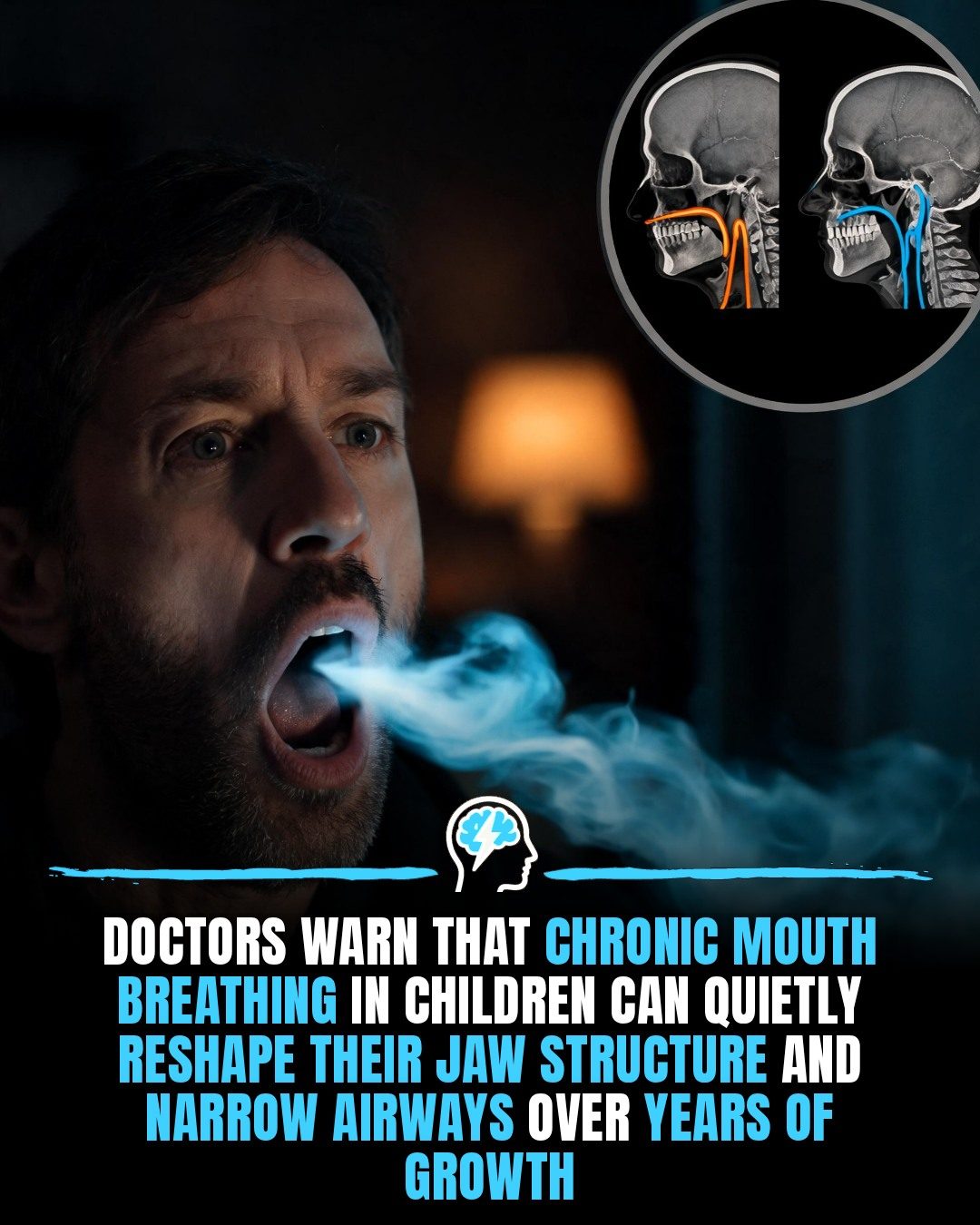
Chronic Mouth Breathing in Children: Reshaping Facial Structure and Airways
Chronic mouth breathing in children is a common yet often overlooked issue that can have significant long-term effects on facial structure and overall health. This condition, where a child breathes primarily through the mouth rather than the nose, can quietly reshape the jaw structure and narrow airways over years of growth.
Why This Matters
Breathing through the mouth may seem innocuous, but during a child's growth years, it can leave permanent marks on jaw alignment and facial structure. The tongue plays a crucial role in this process. Normally, it rests on the roof of the mouth, exerting pressure that helps the upper jaw grow wide. When a child shifts to mouth breathing, the tongue drops down to allow air to pass through the mouth, thereby losing its support for the upper jaw. Without this support, the dental arch narrows and the face grows longer and more vertically instead of wide.
Understanding the Effects of Chronic Mouth Breathing
Impact on Facial Structure
Chronic mouth breathing can lead to several noticeable changes in a child's facial structure. Parents should look for the following signs:
- Narrow Palate and Upper Dental Arch: The upper jaw may not develop properly, leading to a narrower dental arch.
- Receding Chin or Weak Jawline: The lower jaw may not grow forward as it should, resulting in a weak chin or jawline.
- Crowded Teeth: Due to limited space in the jaw, teeth may become crowded and misaligned.
- Dark Circles or Tired Look: Poor sleep quality can lead to a tired appearance, including dark circles under the eyes.
- Open Bite: In some cases, the front teeth may not meet properly, creating an open bite.
Effects on Breathing and Sleep
The structural changes caused by chronic mouth breathing can also affect a child's breathing and sleep quality. A narrower upper jaw often means smaller nasal passages, making it harder to breathe through the nose. This can push the child further into mouth breathing, creating a vicious cycle. Over time, this can lower the quality of oxygen during sleep and is linked to pediatric sleep apnea and restless nights. Consequently, a child's energy, focus, and stamina can be negatively impacted.
Practical Tips for Addressing Chronic Mouth Breathing
Orthodontic Solutions
Orthodontic expanders are a common treatment for chronic mouth breathing. These devices widen the palate, giving the tongue room to rest properly on the roof of the mouth. This not only helps to open the airway but also encourages proper jaw development.
Myofunctional Therapy
Myofunctional therapy focuses on retraining the tongue and facial muscles to maintain proper oral posture. This therapy can be particularly effective in correcting the habits that lead to chronic mouth breathing, ensuring that the tongue rests correctly and supports the facial structure.
Treating the Root Cause
Often, chronic mouth breathing is a symptom of an underlying issue, such as allergies or enlarged tonsils. Addressing these root causes can help keep a child's growth on track, both in terms of facial structure and airway development. This may involve consulting with an allergist or an ear, nose, and throat (ENT) specialist.
Important Takeaways
Chronic mouth breathing in children can have far-reaching consequences that go beyond mere aesthetics. It affects not only the facial structure but also the quality of sleep and overall health. Early intervention is key to preventing long-term issues. Parents should be vigilant in looking for the signs and seeking appropriate treatment to ensure their child's healthy development.
Conclusion
Chronic mouth breathing is a silent threat to a child's growth and development. While it may seem like a minor issue, the long-term effects on facial structure, breathing, and sleep quality can be significant. By understanding the signs and taking proactive steps, parents can help their children avoid these potential complications and ensure a healthy, happy future.
Watch the Reel
Questions readers ask
What are the early signs of chronic mouth breathing in children?
Early signs of chronic mouth breathing in children include a narrow palate, weak jawline, or crowded teeth. Additionally, parents may notice their child having a dry mouth, bad breath, or frequent throat infections, which can all be indicators of this condition.
How does mouth breathing affect a child's facial structure?
Chronic mouth breathing can alter a child's facial structure by affecting the growth of the jaw and palate. The tongue's position changes, no longer exerting the necessary pressure on the roof of the mouth, and this can result in a narrow palate, weak jawline, and other structural changes.
Can mouth breathing in toddlers lead to long-term health issues?
Yes, mouth breathing in toddlers can lead to long-term health issues. The continuous habit can reshape the jaw and airways, leading to issues like upper airway obstruction, sleep apnea, and even reduced lung capacity over time.
What solutions are available for addressing chronic mouth breathing in children?
Addressing chronic mouth breathing in children often involves identifying and treating the underlying cause, such as allergies or enlarged adenoids. Orthodontic interventions, such as palatal expansion, and myofunctional therapy can also help correct the structural issues and promote proper oral posture.
How does chronic mouth breathing impact a child's teeth and overall dental health?
Chronic mouth breathing can lead to dental issues such as crowded teeth, misaligned bites, and a higher risk of cavities. The dry mouth associated with mouth breathing can also increase the likelihood of tooth decay, making regular dental check-ups crucial for children with this habit.
What role does the tongue play in chronic mouth breathing and its effects on facial growth?
The tongue plays a significant role in maintaining proper facial structure. When a child mouth breathes, the tongue drops down, reducing the pressure on the roof of the mouth. This change in position can inhibit the growth of the upper jaw, leading to a narrower palate and other structural changes in the face.
How does chronic mouth breathing affect a child's sleep patterns?
Chronic mouth breathing can disrupt a child's sleep patterns by leading to upper airway obstruction and sleep apnea. This can result in poor sleep quality, daytime fatigue, and even behavioral issues. Ensuring nasal breathing, especially during sleep, can help mitigate these problems.
Related deep dives
Similar reads based on topic and creator.



Recent articles
Fresh deep dives from the latest Reels we unpacked.




Comments
Be the first to comment.