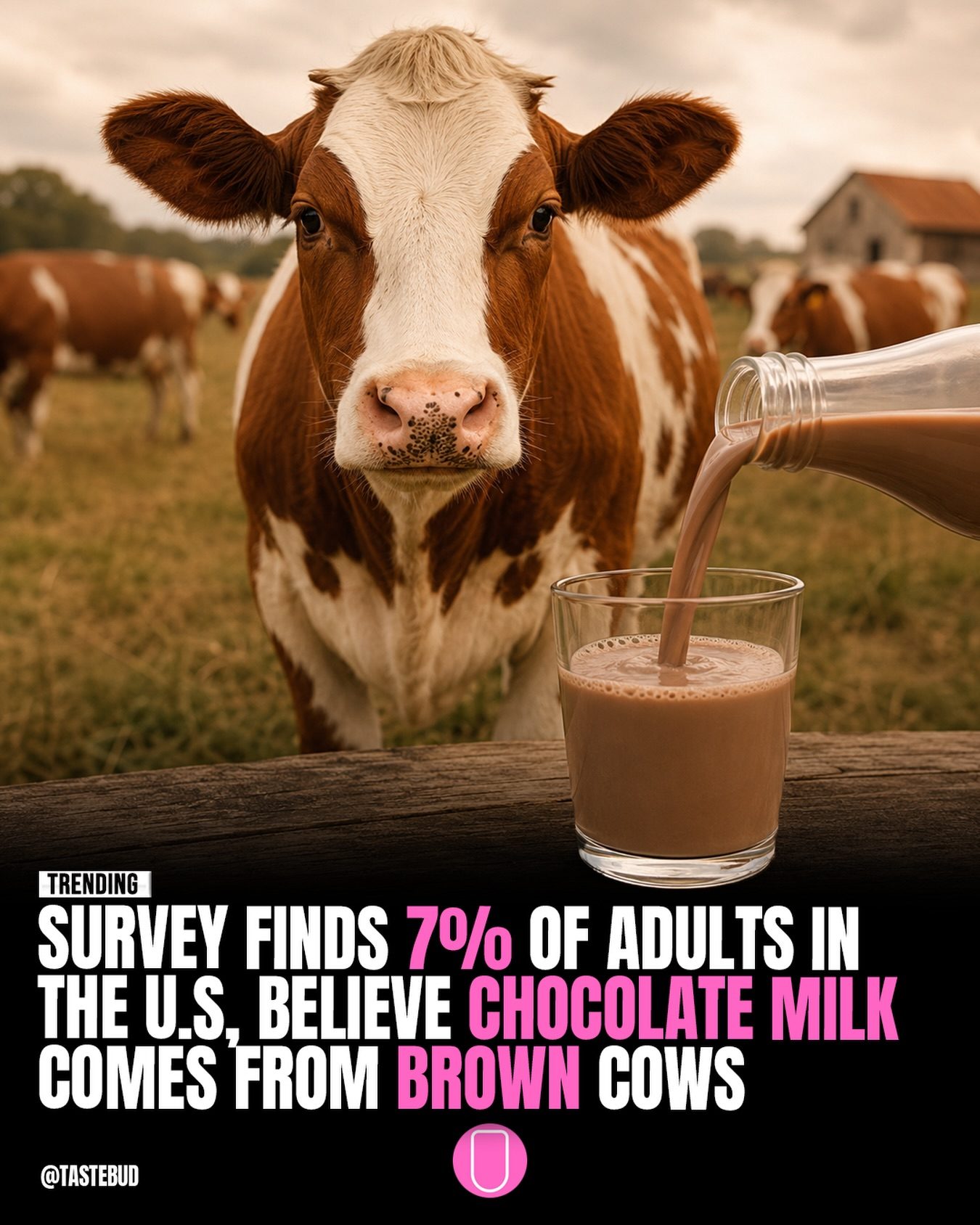
Chocolate Milk and the Brown Cow Myth
Chocolate milk is a beloved beverage, often enjoyed by both children and adults. However, a surprising survey conducted by the Innovation Center for U.S. Dairy revealed that 7 percent of American adults believed that chocolate milk comes from brown cows. This peculiar finding has sparked curiosity and debate about food knowledge and misconceptions.
Why This Matters
The survey not only highlights a humorous misunderstanding but also underscores the disconnect between consumers and the origins of their food. Understanding where our food comes from is crucial for making informed dietary choices and appreciating the processes involved in food production. The survey results underscore the importance of food literacy and knowing the basics of food production.
The Origins of Chocolate Milk
Chocolate milk is a popular dairy beverage made by combining milk with cocoa and sugar. There are no brown cows specifically bred to produce chocolate milk. Instead, chocolate milk is made from regular milk—typically from cows with black and white coats—by adding cocoa and sugar. While it might seem trivial, this misconception hints at a broader issue of food literacy and awareness.
The Survey and Its Implications
The Innovation Center for U.S. Dairy conducted a survey involving over 1,000 American adults. The aim was to gauge basic food knowledge, and the question about chocolate milk's origin was one among many. The results, which found that 7 percent of respondents believed chocolate milk comes from brown cows, went viral. This surprising statistic sparked discussions about the disconnect between consumers and the food they consume.
Misconceptions and Food Literacy
Food literacy, or the ability to understand and make informed decisions about food, is a critical aspect of modern living. The misconception about chocolate milk illustrates a broader issue: many people may not fully understand the origins of their food. Whether it's chocolate milk, cheese, or fresh produce, knowing how food is produced and where it comes from can help in making healthier and more sustainable choices.
The Role of Dairy Farms
Understanding the dairy industry can help dispel myths and misconceptions. Dairy farms play a vital role in producing milk and various dairy products, including chocolate milk. Modern dairy operations follow stringent protocols to ensure the quality and safety of their products. Cows, regardless of their color, produce milk that can be transformed into a variety of dairy products.
Practical Tips for Improving Food Literacy
Educate Yourself on Food Production
Take the initiative to learn about the processes involved in food production. Understanding how chocolate milk is made, for instance, can dispel misconceptions and enhance your appreciation for the beverage.
Visit Farms and Food Facilities
Visiting dairy farms, chocolate milk production facilities, and other food facilities can provide firsthand knowledge about food production. These visits can help bridge the gap between consumers and the origins of their food.
Engage in Conversations
Talk to farmers, food producers, and industry experts. Engaging in conversations with people involved in food production can offer insights into the processes and challenges they face. This information can debunk myths and enhance your understanding of food.
Read Labels and Ingredients
Pay attention to the labels and ingredients on food products. Reading labels can provide valuable information about the ingredients used and the production processes involved. This habit can help you make more informed choices about what you consume.
Important Takeaways
The Misconception About Chocolate Milk
The misconception that chocolate milk comes from brown cows highlights a broader issue of food literacy. Understanding the origins of our food can help make informed decisions and appreciate the processes involved in food production.
The Importance of Food Literacy
Food literacy is crucial for making healthier and more sustainable choices. Knowing where our food comes from and how it is produced can enhance our appreciation for the products we consume.
The Role of Surveys and Data
Surveys and data play a vital role in gauging public knowledge and understanding about food. The results of the survey by the Innovation Center for U.S. Dairy underscore the importance of food literacy and the need for education in this area.
Conclusion
The survey finding that 7 percent of American adults believe chocolate milk comes from brown cows may seem amusing, but it serves as a reminder of the broader issue of food literacy. Understanding the origins of our food and the processes involved in its production is crucial for making informed choices and appreciating the value of the products we consume. By taking steps to improve our food literacy, we can bridge the gap between consumers and the food industry, leading to a more informed and sustainable future.
Watch the Reel
Questions readers ask
Why do some people believe that chocolate milk comes from brown cows?
The misconception likely arises from a lack of understanding about food production processes. Many people, when young, are not exposed to the details of how certain foods, like chocolate milk, are made and assume the most straightforward explanation.
How is chocolate milk actually made?
Chocolate milk is made by adding cocoa powder, sugar, and sometimes vanilla to regular milk. The process involves mixing these ingredients to create a smooth, chocolate-flavored beverage. It does not come from brown cows.
What are the benefits of knowing where our food comes from?
Understanding the origins of our food helps us make informed dietary choices. It also allows us to appreciate the processes involved in food production and the effort that goes into bringing food to our tables.
What did the survey by the Innovation Center for U.S. Dairy reveal?
The survey revealed that 7% of American adults mistakenly believe that chocolate milk comes from brown cows, highlighting a significant gap in food knowledge and awareness among adults.
How can we improve food knowledge and awareness?
Improving food knowledge and awareness can be achieved through open conversations about food, reading about food production processes, and being curious about the origins of the food we consume.
What other food misconceptions might people have?
Other common food misconceptions include believing that all food additives are harmful, assuming that organic food is always healthier, and thinking that all bread contains yeast.
Why is it important to correct food misconceptions?
Correcting food misconceptions helps to ensure that people make informed food choices that align with their dietary needs and health goals. It also encourages a deeper connection with the food we consume.
Related deep dives
Similar reads based on topic and creator.




Recent articles
Fresh deep dives from the latest Reels we unpacked.




Comments
Be the first to comment.