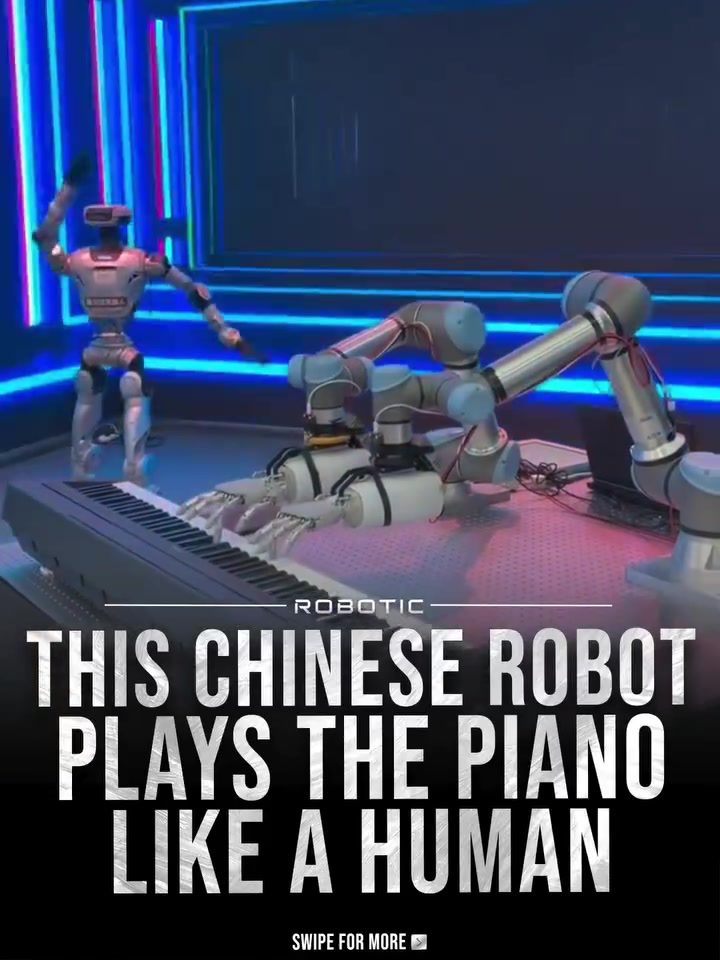
Robotic Piano Players: The Intersection of Music and Technology
Humanoid robots are pushing the boundaries of what machines can achieve, particularly in tasks that require precision, timing, and coordination. One striking example is a Chinese humanoid robot that showcases its ability to play the piano in a manner that mimics human performance. This demonstration highlights the advancements in motion control, artificial intelligence (AI), and dexterous robotic hands, enabling machines to execute complex finger movements that were once thought to be uniquely human.
Context: Why This Matters
The development of robotic piano players is not just a fascinating spectacle; it represents a significant leap in robotic manipulation. The precision and dexterity required to play a piano translate to improvements in various industries, including manufacturing, healthcare, and service robotics. These advancements pave the way for robots to perform intricate tasks that demand fine motor skills, such as surgical procedures, delicate assembly work, and even artistic endeavors.
Main Discussion
The Technology Behind Robotic Piano Players
Robotic piano players rely on a combination of cutting-edge technologies to achieve human-like performance. Here are the key components:
Motion Control
Motion control systems are crucial for robotic piano players. These systems ensure that the robotic arm moves with the exact timing, speed, and force required to play each note accurately. The precision of these movements is what allows the robot to mimic the nuanced touch of a human pianist.
Artificial Intelligence
AI plays a pivotal role in enabling robots to play the piano. Machine learning algorithms help the robot understand and interpret musical scores, translating them into precise movements. AI also allows the robot to adapt to different pieces of music, adjusting its technique to suit the specific requirements of each composition.
Dexterous Robotic Hands
The design of the robotic hand is another critical factor. Dexterous robotic hands are equipped with multiple degrees of freedom, allowing them to mimic the complex movements of human fingers. This dexterity is essential for playing the piano, as it enables the robot to press keys with varying levels of force and speed, creating a dynamic and expressive performance.
Applications Beyond Entertainment
While the ability to play the piano is impressive, the technologies developed for robotic piano players have applications far beyond entertainment. These advancements are being applied in various industries to improve robotic manipulation and automation.
Manufacturing
In manufacturing, robotic dexterity is crucial for tasks such as assembly, welding, and quality control. The precision and coordination required to play the piano translate to more accurate and efficient manufacturing processes, reducing waste and improving product quality.
Healthcare
In healthcare, robots equipped with dexterous hands can perform delicate surgical procedures with a level of precision that surpasses human capabilities. This reduces the risk of complications and improves patient outcomes. Additionally, robotic assistants can aid in rehabilitation and therapy, helping patients regain fine motor skills.
Service Robotics
Service robots, such as those used in hospitality and retail, benefit from advances in robotic manipulation. These robots can handle delicate tasks, such as preparing food or assisting customers, with greater efficiency and accuracy.
The Future of Robotic Piano Players
As humanoid robotics continues to advance, the capabilities of robotic piano players are likely to become even more impressive. Future developments may include robots that can compose music, improvise, and even collaborate with human musicians. These advancements will not only push the boundaries of what robots can achieve but also open up new possibilities for human-robot interaction and creativity.
Challenges and Limitations
Despite the impressive capabilities of robotic piano players, there are still challenges and limitations to overcome. One significant challenge is the need for precise calibration and programming, which can be time-consuming and complex. Additionally, the cost of developing and maintaining these advanced robotic systems can be high, limiting their accessibility.
Practical Tips
For those interested in exploring the world of robotic piano players or incorporating similar technologies into their own projects, here are some practical tips:
1. Understand the Basics of Robotics
Before diving into advanced applications like robotic piano players, it's essential to have a solid understanding of the basics of robotics. This includes knowledge of sensors, actuators, and control systems.
2. Explore Open-Source Resources
There are many open-source resources available for learning about robotics and AI. Websites like GitHub and forums like Stack Overflow can be invaluable for finding tutorials, code samples, and community support.
3. Invest in Quality Components
When building a robotic piano player or any other advanced robotic system, it's crucial to invest in high-quality components. This includes motors, sensors, and control systems that are reliable and precise.
4. Collaborate with Experts
Collaborating with experts in robotics, AI, and music can provide valuable insights and expertise. This can help you overcome technical challenges and develop more innovative solutions.
5. Stay Updated with the Latest Research
The field of robotics is constantly evolving, with new developments and advancements emerging all the time. Staying updated with the latest research and trends can help you stay ahead of the curve and incorporate the latest technologies into your projects.
Important Takeaways
The demonstration of a Chinese humanoid robot playing the piano highlights the incredible advancements in robotic technology. These developments have applications far beyond entertainment, improving robotic manipulation in various industries. As the field continues to evolve, the capabilities of robotic piano players are likely to become even more impressive, opening up new possibilities for human-robot interaction and creativity.
Conclusion
The world of robotic piano players is a fascinating intersection of music and technology. These advanced robotic systems showcase the incredible precision, dexterity, and intelligence that modern robots are capable of achieving. As these technologies continue to develop, they have the potential to revolutionize industries and open up new avenues for creativity and innovation. Whether you're a robotics enthusiast, a musician, or simply curious about the latest advancements in technology, the world of robotic piano players is a thrilling and inspiring journey to explore.
Watch the Reel
Questions readers ask
What makes the Chinese humanoid robot's piano playing so remarkable?
The robot's ability to mimic human-like precision and perform complex finger movements is particularly noteworthy. This includes the use of delicate, coordinated motions and the correct application of force to specific keys, which demonstrates significant advancements in robotics.
How does AI contribute to the robot's piano playing abilities?
AI is integral to the robot's performance, enabling it to understand musical notation, interpret rhythm, and synchronize movements with the music. The AI also helps the robot adapt to different pieces, making it more versatile.
What are some other tasks that this robotic dexterity could be applied to?
The same dexterity and precision can be applied to various industries. These include delicate surgical procedures, handling fragile objects in manufacturing, and even intricate assembly tasks in electronics, where precise movements are essential.
What advancements in robotics have been highlighted by the Chinese humanoid robot's piano playing?
The robot's performance showcases several key advancements, including improved motion control, enhanced AI capabilities, and the development of highly dexterous robotic hands. These innovations pave the way for machines to perform more complex and precise tasks.
How might robotic piano playing influence the future of robotics?
The ability of robots to play the piano with such precision suggests a future where robots can handle intricate tasks across various fields. This could lead to more sophisticated automation in industries requiring high levels of dexterity and coordination.
What are some challenges that the development of robotic piano players might address?
The development of robotic piano players could address challenges in understanding and replicating human-like movements, improving AI algorithms for real-time decision-making, and designing robotic hands that can mimic the nuanced movements of human fingers.
Related deep dives
Similar reads based on topic and creator.



Recent articles
Fresh deep dives from the latest Reels we unpacked.




Comments
Be the first to comment.