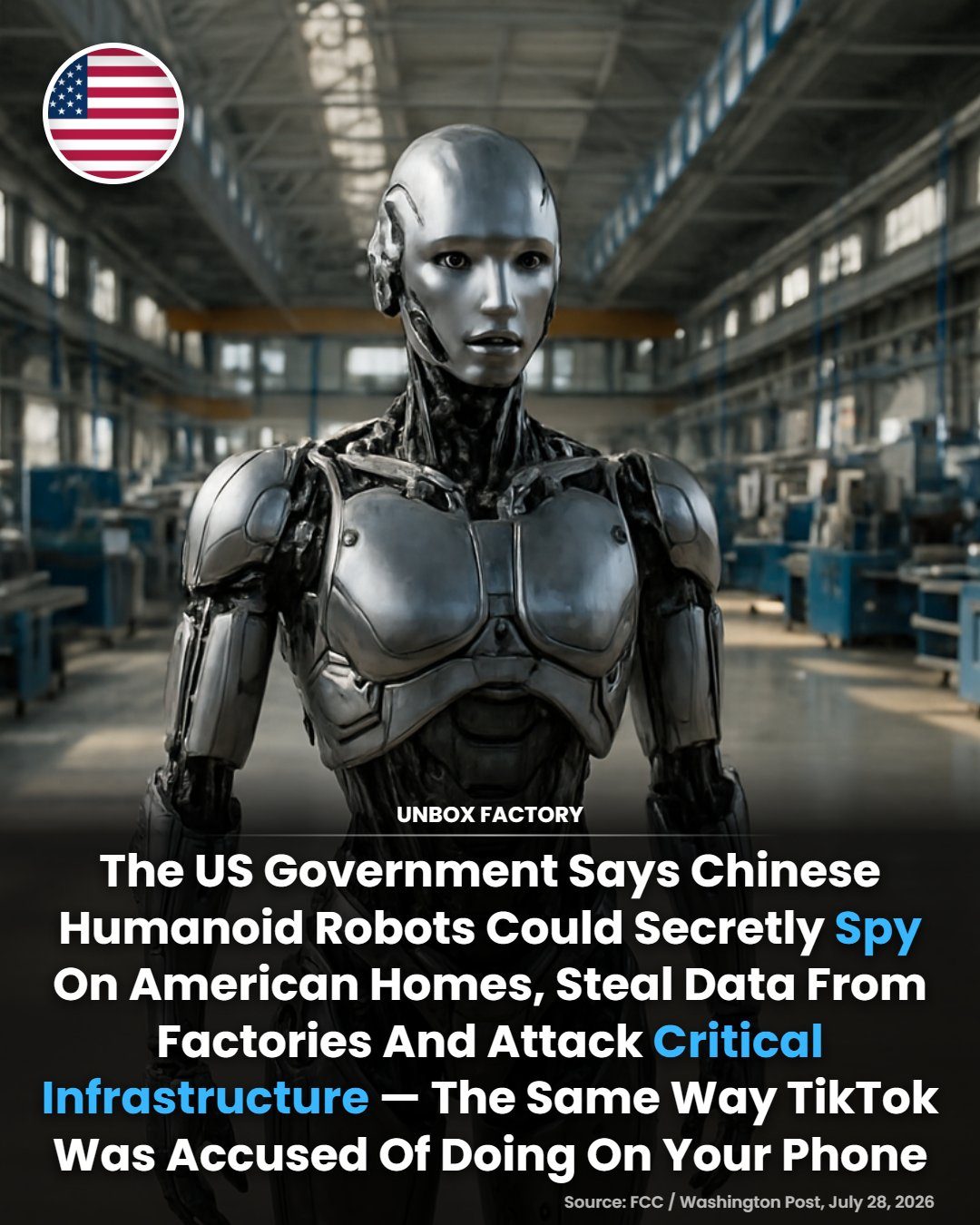
Advanced Chinese Humanoid Robots and National Security
The integration of advanced humanoid robots into daily life and industry raises significant security concerns, particularly when it comes to those manufactured in China. U.S. officials have expressed alarm over the potential risks associated with these robots, which are equipped with a variety of sensors and connectivity features that could be exploited for espionage and data theft.
Context: The Growing Presence of Humanoid Robots
Humanoid robots are increasingly finding their way into various sectors, including homes, hospitals, warehouses, and factories. These robots are designed to assist with tasks ranging from domestic chores to complex industrial processes. However, their advanced capabilities also make them potential tools for malicious activities.
National Security Risks
Advanced Sensors and Connectivity
Chinese-made humanoid robots are equipped with high-resolution cameras, microphones, lidar sensors, GPS, Wi-Fi, Bluetooth, and AI systems. These features enable the robots to continuously collect and transmit data. The concern is that if these robots are connected to foreign-controlled software or cloud services, they could be used to spy on American homes, capture sensitive conversations, monitor factories, or access restricted industrial facilities.
Potential for Spying and Data Theft
Authorities fear that these robots could map out the interiors of homes, capture private conversations, and monitor industrial processes. This data could then be transmitted to foreign entities, posing significant risks to national security. The potential for data theft is particularly alarming, as it could include sensitive information from both residential and industrial settings.
Comparisons to Previous Concerns
The concerns surrounding Chinese humanoid robots are reminiscent of earlier accusations against technologies like TikTok. Just as TikTok was accused of collecting user data and transmitting it to foreign entities, there are fears that these robots could be used in similar ways. The parallel highlights the broader issue of digital espionage and the need for stringent cybersecurity measures.
The Global Supply Chain
Dominance in Manufacturing
China currently manufactures an estimated 85% of the world's humanoid robots. This dominance extends to the supply chain for critical components such as motors, batteries, and rare-earth elements. The dependence on Chinese manufacturing raises concerns about the integrity and security of these components, as they could be compromised during production.
Integration into Critical Infrastructure
As humanoid robots become more integrated into critical infrastructure, the risks associated with their potential misuse increase. Cybersecurity experts warn that these robots could become the next major frontier in digital espionage. The integration of robots into sectors like healthcare, manufacturing, and logistics makes them attractive targets for cyber-attacks.
Practical Tips for Mitigating Risks
Enhancing Cybersecurity Measures
To mitigate the risks associated with humanoid robots, it is essential to implement robust cybersecurity measures. This includes ensuring that all connected devices are secured with strong passwords, regular software updates, and encryption. Additionally, organizations should conduct regular security audits and penetration testing to identify and address vulnerabilities.
Vetting Suppliers and Manufacturers
Given the dominance of Chinese manufacturing in the robotics industry, it is crucial to vet suppliers and manufacturers carefully. Companies should conduct thorough background checks and assess the security protocols of their suppliers. This includes verifying that components are not compromised during the manufacturing process.
Limiting Connectivity
Reducing the connectivity of humanoid robots to foreign-controlled software or cloud services can help mitigate the risk of data theft. Companies should opt for locally controlled systems and ensure that any data transmitted is encrypted and secure.
Training and Awareness
Training and awareness programs can help individuals and organizations understand the potential risks associated with humanoid robots. This includes educating users about the importance of cybersecurity, recognizing potential threats, and taking appropriate actions to protect sensitive information.
Important Takeaways
- Advanced Sensors and Connectivity: Humanoid robots are equipped with advanced sensors and connectivity features that could be exploited for espionage and data theft.
- Global Supply Chain Risks: The dominance of Chinese manufacturing in the robotics industry raises concerns about the integrity and security of components.
- Integration into Critical Infrastructure: The increasing integration of humanoid robots into critical sectors makes them attractive targets for cyber-attacks.
- Mitigation Strategies: Implementing robust cybersecurity measures, vetting suppliers, limiting connectivity, and conducting training and awareness programs are essential for mitigating risks.
Conclusion
The growing presence of humanoid robots in various sectors highlights the need for vigilance and proactive measures to protect against potential security risks. As these robots become more integrated into daily life and critical infrastructure, it is essential to address the concerns surrounding their advanced capabilities and potential for misuse. By implementing robust cybersecurity measures, vetting suppliers, limiting connectivity, and conducting training and awareness programs, individuals and organizations can mitigate the risks and ensure the safe and secure use of humanoid robots.
Watch the Reel
Questions readers ask
How can Chinese humanoid robots potentially compromise home security?
Chinese humanoid robots equipped with cameras and microphones can potentially map out homes, capture private conversations, or even monitor daily routines. This raises concerns about invasion of privacy and unauthorized data collection, especially if the robots are connected to the internet.
What makes advanced humanoid robots a concern for industrial settings?
In industrial settings, these robots can monitor and record processes, making them potential tools for corporate espionage. They could record sensitive information, like factory layouts, machinery, or even proprietary procedures.
How do AI systems in humanoid robots pose a cybersecurity threat?
AI systems in these robots can learn and adapt, making them versatile tools for data collection. However, this also means they can be manipulated to gather more information than intended, or even be directed to bypass security measures.
What potential risks do connected features in humanoid robots present?
The connectivity features in these robots, such as Wi-Fi or Bluetooth, can be exploited to access and manipulate the robot or transmit collected data to unauthorized parties. This makes them a potential entry point for cyber attacks.
Are there specific regulations to address the security concerns posed by Chinese humanoid robots?
As of now, regulations specifically targeting the security concerns of Chinese humanoid robots are limited. However, general cybersecurity laws and guidelines may offer some protection, and it is advisable for users to follow best practices for securing IoT devices.
How can users protect themselves from potential threats posed by Chinese humanoid robots?
To mitigate risks, users should limit the robot's access to sensitive areas, use strong, unique passwords, and keep the robot's software up-to-date. Regularly reviewing and understanding the data the robot collects and transmits is also crucial.
What steps are U.S. officials taking to address the concerns about Chinese humanoid robots?
U.S. officials are raising awareness about the potential risks and encouraging users to be cautious. They are also likely engaging in discussions with manufacturers and policymakers to address these concerns and potentially implement stricter guidelines for these robots.
Related deep dives
Similar reads based on topic and creator.



Recent articles
Fresh deep dives from the latest Reels we unpacked.




Comments
Be the first to comment.