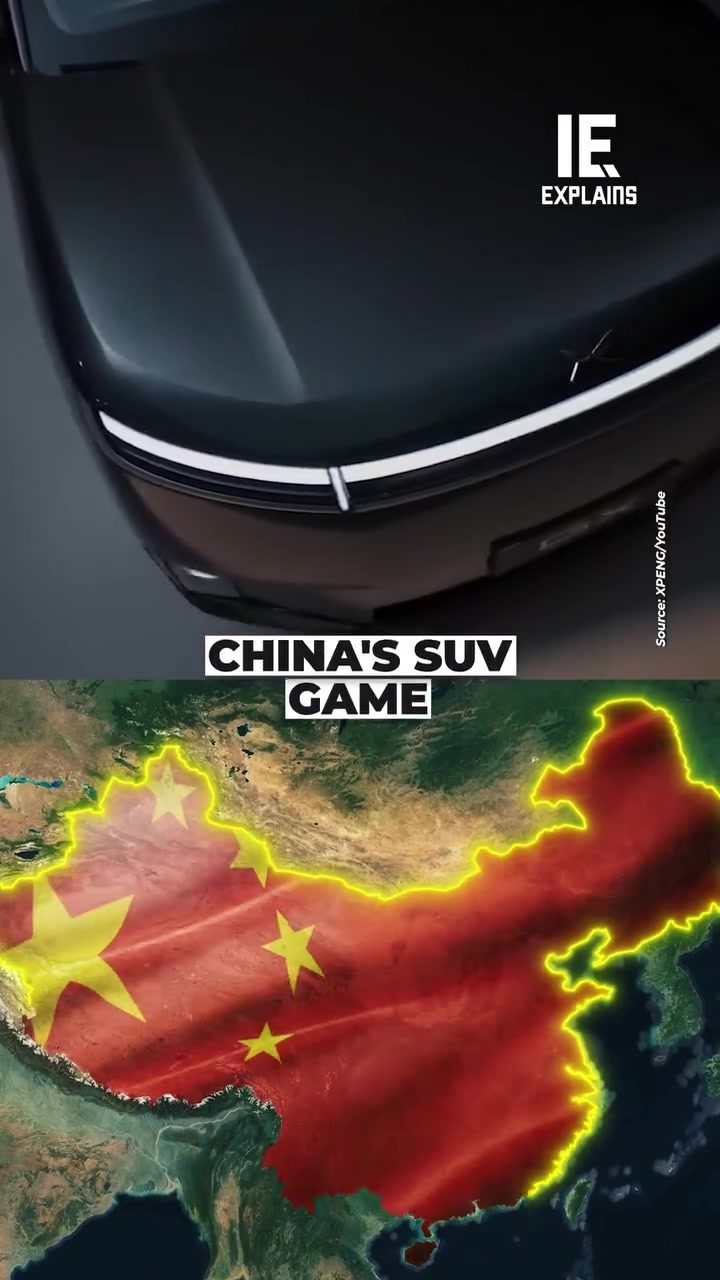
China's Electric SUV Revolution: Affordable, Autonomous, and Iconic
China's automotive industry is undergoing a significant transformation, particularly in the electric SUV segment. Chinese automakers are not only electrifying iconic Western designs but also beating their global counterparts to market with more affordable and technologically advanced vehicles. This shift is exemplified by the Xpeng GX, BYD's Fangchengbaotai 7, and the Cherry Jaecoo 7, among others. These vehicles are not only stealing designs from the likes of the Range Rover but also outpacing Western luxury brands in the race to electrify the SUV market.
Context: Why This Matters
The surge in electric SUVs from Chinese manufacturers is more than just a trend; it's a strategic move that could reshape the global automotive landscape. These companies are leveraging advanced technology, lower production costs, and a keen understanding of consumer preferences to offer high-performance, affordable vehicles. This shift is crucial as it challenges the dominance of traditional luxury brands and accelerates the global transition to electric vehicles (EVs).
The New Players in the Luxury EV SUV Market
The Xpeng GX
The Xpeng GX is a standout example of China's electric SUV revolution. This full-size, six-seat SUV is a near-perfect replica of the Range Rover, boasting a length of over 5.2 meters. The GX comes equipped with steer-by-wire technology and is ready for Level 4 autonomy, positioning it at the forefront of automotive innovation. The extended-range version promises over 1,000 kilometers of combined range, with a price tag between 400,000 and 500,000 yuan (roughly $57,000 to $72,000). This makes it nearly $150,000 cheaper than an actual Range Rover, offering unparalleled value for money.
BYD's Fangchengbaotai 7
BYD is another key player in this market, with the Fangchengbaotai 7 EV launching by the end of April. This vehicle features dual motor power starting at just 220,000 yuan (about $30,000), making it incredibly accessible. The Fangchengbaotai 7 runs on BYD's second-generation blade battery, which includes flash charging technology that can add hundreds of kilometers of range in minutes. This makes it a formidable competitor in the electric SUV segment.
Cherry Jaecoo 7
The Cherry Jaecoo 7 is another notable entry, closely mimicking the Range Rover's design with its boxy grille and hidden flush door handles. Already a UK bestseller, it has sold over 10,000 units in just seven months, largely due to its pricing, which is nearly half that of a Range Rover. Starting around $15,000, the Jaecoo 7 offers massaging seats and other premium features, making it an attractive option for budget-conscious consumers.
Geely and Other Contenders
Geely is also making significant strides with its EX5, which is selling in 35 countries. Like its competitors, Geely is focusing on affordability and advanced technology, positioning itself as a strong contender in the global market. Other Chinese automakers, such as Xpeng, BYD, and Geely, are not waiting for traditional luxury brands like Mercedes, BMW, or Jaguar Land Rover to figure out the EV transition. They are already shipping their models, effectively filling the gap left by the delayed flagship EVs of Western brands.
Practical Tips for Buyers
Consider Technology and Innovation
When looking at electric SUVs, buyers should prioritize technological innovations. Features like steer-by-wire technology, Level 4 autonomy, and advanced battery systems can significantly enhance the driving experience and vehicle safety.
Evaluate Range and Charging Options
The range and charging capabilities are crucial factors. Look for models with extended range options and fast-charging technologies, such as BYD's flash charging, which can add hundreds of kilometers of range in minutes.
Compare Pricing and Value
Affordability is a key advantage of Chinese electric SUVs. Compare the pricing of these models with their Western counterparts to get a sense of the value for money. Chinese manufacturers often offer high-end features at a fraction of the cost.
Important Takeaways
The Chinese electric SUV market is rapidly evolving, with manufacturers like Xpeng, BYD, and Cherry leading the charge. These companies are not only replicating iconic Western designs but also outpacing traditional luxury brands in terms of innovation and affordability. Key points to consider include the advanced technology, extended range, and competitive pricing of these vehicles.
Conclusion
China's electric SUV market is rewriting the luxury SUV playbook with vehicles that offer cutting-edge technology, extended range, and significant cost savings. As these companies continue to innovate and expand their reach, they are poised to challenge and possibly overtake traditional luxury brands in the global market. Whether you're a tech enthusiast or a budget-conscious consumer, the Chinese electric SUV market offers a compelling range of options.
Watch the Reel
Questions readers ask
How are Chinese electric SUVs challenging Western luxury brands?
Chinese electric SUVs are challenging Western luxury brands by offering advanced technology at a lower cost. This allows them to compete and outpace their Western counterparts, offering a compelling alternative to traditional luxury brands.
Which Chinese electric SUVs are leading the market?
Models like the Xpeng GX, BYD's Fangchengbaotai 7, and the Cherry Jaecoo 7 are leading the market. These vehicles offer advanced features and affordable prices, making them strong competitors in the electric SUV segment.
What advantages do Chinese automakers have in the electric SUV market?
Chinese automakers benefit from lower production costs and a strong focus on technological innovation. These factors allow them to produce and market affordable, technologically advanced electric SUVs more quickly than many traditional Western luxury brands.
Are Chinese electric SUVs as reliable as Western luxury brands?
Chinese electric SUVs are increasingly proving their reliability and performance. Chinese automakers prioritize testing and technology, making their EVs a reliable choice in the market.
Why are Chinese SUVs opting for electric powertrains?
Chinese automakers are opting for electric powertrains to accelerate the global transition to electric vehicles. By electrifying their SUVs, they aim to reduce emissions and meet the growing demand for sustainable transportation options.
How does the Geely electric SUV fit into this market trend?
The Geely electric SUV is part of this trend by offering consumers a more affordable and technologically advanced alternative to traditional luxury electric SUVs. This makes it a significant player in the rapidly growing electric SUV market.
What can Western luxury brands learn from Chinese electric SUVs?
Western luxury brands can learn from the affordability and technological advancements of Chinese electric SUVs. By focusing on cost-efficiency and innovation, they can better compete in the rapidly evolving electric vehicle market.
Related deep dives
Similar reads based on topic and creator.


Recent articles
Fresh deep dives from the latest Reels we unpacked.




Comments
Be the first to comment.