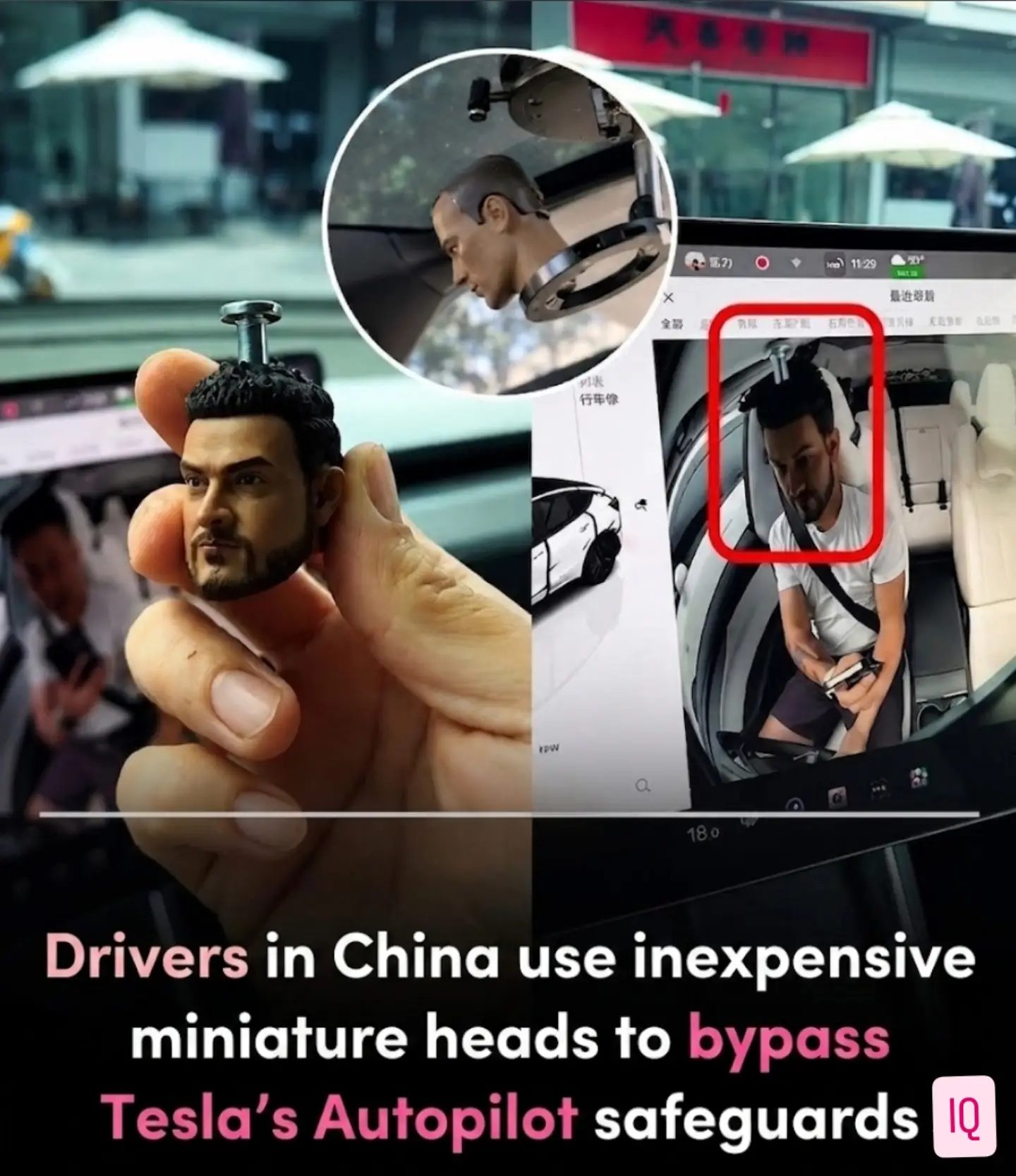
Miniature Tesla Heads: A Curious Trend in China
Drivers in China have found an unusual way to circumvent Tesla's Autopilot safety features using inexpensive miniature heads. These tiny doll heads, valued around $10, are strategically placed on the headrests or ceiling structures directly in front of the interior camera to mimic an attentive human gaze. This clever, albeit risky, method exploits the vehicle's visual recognition algorithms, effectively bypassing the safety features designed to prevent distracted driving.
Why This Matters
Tesla's Autopilot system is equipped with advanced safety features that require the driver to keep their eyes on the road. The cabin-facing driver monitoring system ensures that the driver is attentive and ready to take control if necessary. However, the use of miniature heads to fool this system raises significant safety concerns and legal implications. This trend highlights the ongoing battle between technological advancements and human ingenuity, often resulting in unforeseen consequences.
The Mechanics of the Hack
The hack involves placing a miniature figure resembling a human head within the vehicle's interior camera's line of sight. These figures are inexpensive and readily available, making them an accessible tool for drivers looking to bypass Tesla's safety features. By positioning the miniature head correctly, drivers can simulate the presence of an attentive driver, tricking the Autopilot system into thinking that the driver is paying attention to the road.
The Safety Implications
The use of miniature heads to bypass Autopilot safety features poses serious safety risks. Tesla's Autopilot system is designed to enhance safety by ensuring that the driver remains attentive and ready to intervene in case of emergencies. Bypassing this system can lead to a false sense of security, increasing the risk of accidents. Drivers relying on these hacks may become complacent, leading to delayed reactions in critical situations.
Legal and Ethical Considerations
Beyond the safety concerns, the use of miniature heads to trick Autopilot systems raises legal and ethical questions. Drivers employing such methods may be violating road safety regulations and Tesla's terms of service. Additionally, the ethical implications of using a hack to bypass safety features designed to protect both the driver and other road users cannot be overlooked. This trend underscores the need for stricter regulations and penalties for tampering with vehicle safety systems.
Practical Tips
If you own a Tesla or any vehicle equipped with advanced driver assistance systems, it's crucial to understand the importance of these safety features. Here are some practical tips to ensure safe driving:
Stay Attentive
Always keep your eyes on the road and your hands on the steering wheel when using advanced driver assistance systems. These systems are designed to assist you, not replace your role as the driver.
Regular Maintenance
Regularly check and maintain your vehicle's safety features. Ensure that all cameras, sensors, and other components are functioning correctly to maximize their effectiveness.
Educate Yourself
Stay informed about the capabilities and limitations of your vehicle's advanced driver assistance systems. Understanding how these systems work can help you use them more effectively and safely.
Important Takeaways
The trend of using miniature heads to bypass Tesla's Autopilot safety features in China highlights several critical points:
- Safety First: Always prioritize safety when using advanced driver assistance systems.
- Legal Compliance: Avoid using hacks or workarounds that violate road safety regulations and vehicle terms of service.
- Ethical Driving: Be mindful of the ethical implications of your actions behind the wheel.
Conclusion
The use of miniature heads to trick Tesla's Autopilot system is a concerning trend that underscores the ongoing challenges in balancing technological advancements with safety and ethics. While these miniature heads offer a cheap and accessible way to bypass safety features, the risks far outweigh the benefits. It's essential to stay informed, prioritize safety, and adhere to legal and ethical standards when using advanced driver assistance systems.
Watch the Reel
Questions readers ask
What are the mini heads used to deceive Tesla's Autopilot system?
The mini heads are inexpensive, doll-like replicas that drivers in China use to fool Tesla's Autopilot system. These mini heads are positioned to mimic the driver's gaze, effectively tricking the Autopilot's driver-facing camera into believing the driver is attentive.
How do mini heads bypass Tesla Autopilot's safety features?
Mini heads exploit the system's visual recognition algorithms. By mimicking the gaze of a driver, these mini heads can bypass the Autopilot's requirement for a driver's eyes to focus on the road, which is designed to prevent distracted driving.
What are the potential risks of using mini heads to bypass Tesla Autopilot?
Using mini heads to bypass Tesla Autopilot poses significant safety risks. The primary concern is that the driver may become inattentive, leading to delayed reactions in critical driving situations. Additionally, using such methods may have legal implications and could violate terms of service agreements with Tesla.
How does Tesla Autopilot monitor the driver's attention?
Tesla Autopilot uses a driver-facing interior camera to monitor the driver's attention. This camera ensures that the driver's eyes are focused on the road, which is crucial for maintaining safety and being ready to take control when necessary.
What are the legal implications for drivers using mini heads to trick Tesla Autopilot?
Drivers using mini heads to trick Tesla Autopilot could face legal repercussions. This practice may violate Tesla's terms of service and potentially local traffic laws, leading to fines or other penalties. Moreover, it could also invalidate insurance policies in the event of an accident.
Why are mini heads a concern for Tesla's advanced automotive technology?
Mini heads highlight the challenges Tesla faces in ensuring driver safety and attention. While the Autopilot system is designed to keep drivers engaged, the use of mini heads shows that there are creative but risky methods that can undermine these safety features, prompting the need for more robust solutions.
Related deep dives
Similar reads based on topic and creator.



Recent articles
Fresh deep dives from the latest Reels we unpacked.




Comments
Be the first to comment.