AI and Labor Law in China
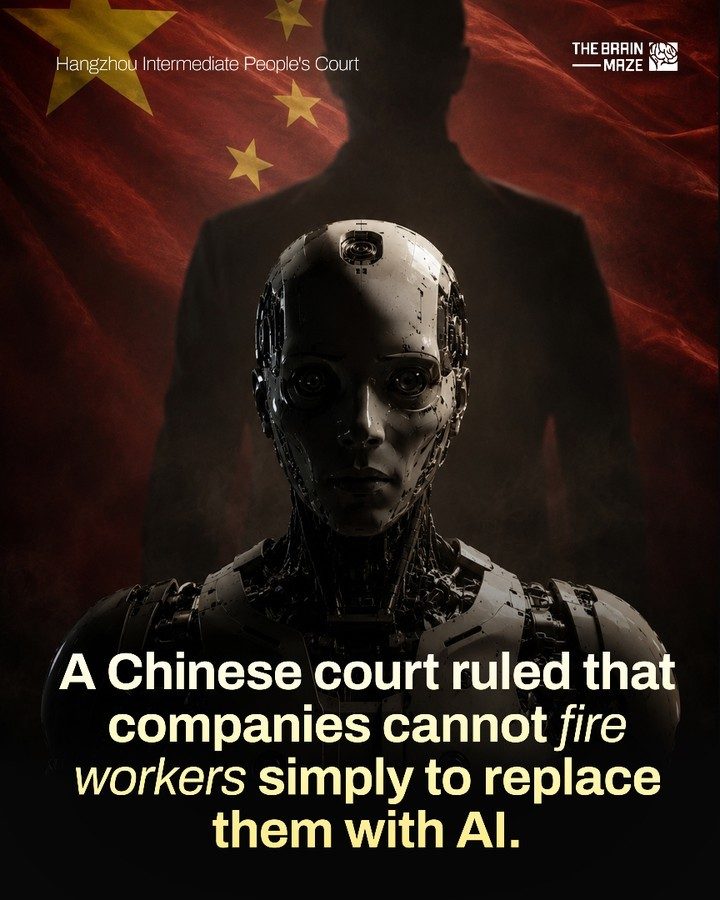
In April 2026, the Hangzhou Intermediate People’s Court in China made a groundbreaking ruling that has significant implications for the future of work and technology. The court decided that companies cannot simply fire employees to replace them with AI. This ruling underscores that the adoption of AI is a strategic business decision rather than an unforeseen circumstance that justifies layoffs. As a result, workers are granted more legal protection, and companies must have valid, legally sound reasons for terminating employees, even when integrating new AI technologies.
Why This Matters
The introduction of AI in the workplace is a double-edged sword. On one hand, it promises increased efficiency and innovation. On the other, it poses significant threats to job security, as many tasks previously performed by humans can now be automated. The ruling by the Hangzhou court addresses this balance directly, emphasizing the need for companies to respect labor laws even as they evolve with technological advancements. This decision not only protects workers but also encourages companies to approach AI integration thoughtfully, ensuring that it complements rather than replaces human labor.
Main Discussion
The Legal Framework
The court's decision is rooted in the broader framework of labor laws in China. These laws are designed to protect workers from arbitrary dismissal and ensure that any changes in employment status are justified and fair. The ruling clarifies that companies must adhere to these principles, even when leveraging advanced technologies like AI. This means that firing employees to make way for AI systems is not an automatic right but a decision that must be carefully considered and legally justified.
Implications for Businesses
For businesses, this ruling signals a need for a more strategic and ethical approach to AI adoption. Companies must now treat AI integration as a strategic decision rather than a cost-cutting measure. This involves assessing the overall impact on the workforce, ensuring that any changes are communicated transparently, and providing support to employees who may be affected. Additionally, businesses must be prepared to justify their decisions legally, demonstrating that AI adoption brings tangible benefits and does not merely serve as a cover for layoffs.
Worker Rights and Protection
The court's decision is a significant victory for worker rights in China. It reinforces the idea that workers have legal protections that must be upheld, even in the face of rapid technological change. This ruling means that workers have more job security and that companies must consider the human impact of their technological choices. It also sets a precedent for future cases, making it clear that AI adoption cannot be used as an excuse for unfair labor practices.
Practical Tips
For Companies
Understanding the implications of this ruling will be crucial for businesses operating in China. Here are some practical tips to navigate this new legal landscape:
- Review Your AI Strategy: Ensure that your AI adoption plans are well-documented and justified. This includes a clear explanation of how AI will improve operations and what benefits it will bring to the company and its employees.
- Transparent Communication: Keep employees informed about any changes that may affect their jobs. Transparency can help build trust and mitigate resistance to AI integration.
- Legal Consultation: Consult with legal experts to ensure that your AI adoption plans comply with labor laws. This will help you avoid potential legal pitfalls and ensure that your decisions are legally sound.
- Training and Support: Provide training and support to employees who may be affected by AI integration. This can help them adapt to new technologies and find new roles within the company.
For Workers
For workers, this ruling is a reminder of their rights and the protections they have under the law. Here are some practical tips to help workers navigate this changing landscape:
- Know Your Rights: Familiarize yourself with labor laws and your rights as an employee. This knowledge can help you advocate for yourself and ensure that you are treated fairly.
- Stay Informed: Keep up to date with company plans for AI adoption. This information can help you prepare for any changes and understand how they may affect your job.
- Seek Support: If you feel that your job is at risk due to AI adoption, don't hesitate to seek support from labor unions or legal experts. They can help you navigate the situation and ensure that your rights are protected.
Important Takeaways
- Legal Compliance: Companies must have valid, legally sound reasons for firing employees, even when adopting new AI technologies.
- Workforce Impact: The adoption of AI must be treated as a strategic business decision, with careful consideration of its impact on the workforce.
- Worker Protection: Workers have legal protections that must be upheld, even in the face of rapid technological change.
- Ethical AI Adoption: Companies should approach AI integration ethically, ensuring that it complements human labor rather than replacing it.
Conclusion
The decision by the Hangzhou Intermediate People’s Court in April 2026 is a pivotal moment in the evolving relationship between AI and labor law. It underscores the need for a balanced approach to AI adoption, one that respects worker rights and encourages ethical business practices. As companies continue to integrate AI into their operations, this ruling serves as a reminder of the importance of legal compliance, transparent communication, and ethical decision-making. For workers, it offers a sense of security and a path to advocacy in an ever-changing technological landscape.
Watch the Reel
Questions readers ask
What was the key outcome of the 2026 Hangzhou Intermediate People’s Court ruling regarding AI and employment?
The court ruled that employers in China cannot terminate employees solely to replace them with AI. This decision emphasizes that AI implementation must align with labor laws and be a deliberate strategic choice, not a means to bypass employment regulations.
How does the Hangzhou court ruling impact AI integration in the workplace?
The ruling encourages companies to thoughtfully integrate AI in a way that complements human labor. Businesses must now consider AI adoption as a strategic decision, ensuring it does not infringe upon worker rights or violate labor laws, which is crucial for fostering a balanced workforce.
What are the implications of this ruling for workers in China?
Workers in China now have increased legal protection against unjust terminations due to AI replacements. Employers must provide valid, legally justifiable reasons for any layoffs, even when implementing new technologies, which helps safeguard jobs and promotes fair labor practices.
What does this ruling mean for businesses in China considering AI adoption?
Businesses must approach AI integration with a well-thought-out strategy that respects labor laws and worker rights. This means that AI implementation should enhance rather than replace human labor, and companies must ensure that any workforce changes are legally sound and justified.
How might this ruling influence AI strategies for businesses in China?
Companies will need to develop AI strategies that focus on collaboration between AI and human workers, rather than straightforward replacement. This involves investing in training programs, redefining job roles, and ensuring that any AI adoption aligns with existing labor laws and regulations.
Are there any specific actions employers must take to comply with this ruling?
Employers must ensure that any AI implementation is a strategic decision that aligns with labor laws. This may involve conducting thorough impact assessments, ensuring transparency in decision-making, and providing legal justification for any workforce changes to protect workers' rights.
How does this ruling shape the future of AI in Chinese workplaces?
This ruling sets a precedent for responsible AI integration in the workplace. It encourages a balanced approach where AI complements human labor, promoting a harmonious work environment. This decision may also inspire similar protective measures in other regions, ensuring that AI is used ethically and responsibly.
Related deep dives
Similar reads based on topic and creator.


Recent articles
Fresh deep dives from the latest Reels we unpacked.




Comments
Be the first to comment.