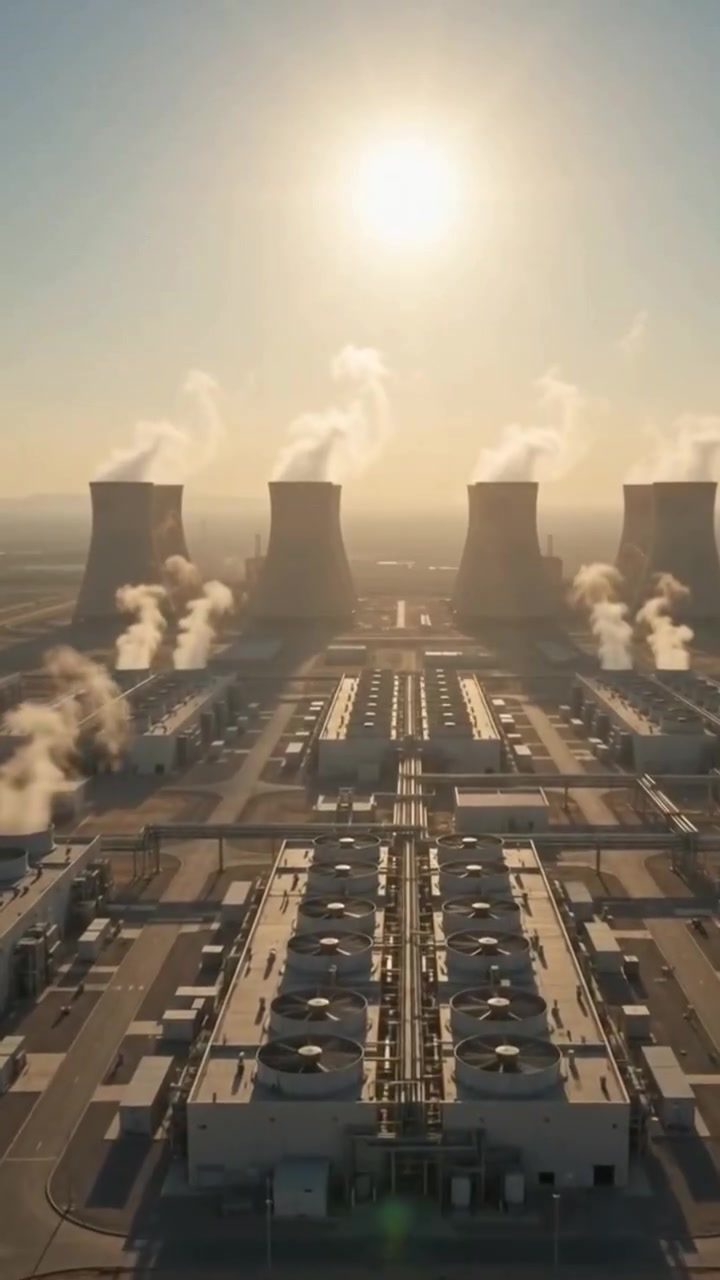
Underwater Data Centers: A Revolutionary Approach to Sustainable Computing
The concept of underwater data centers has gained significant traction, particularly with China's recent installation off Shanghai's coast. This innovative approach addresses the substantial energy and water consumption typical of traditional land-based data centers.
Context / Why this matters
Data centers are crucial for storing, processing, and managing the vast amounts of data generated daily. However, they consume immense amounts of energy and water for cooling, contributing to significant environmental impacts. Traditional data centers can expend up to 40% of their energy on cooling alone, making them a prime target for sustainability overhauls.
Main discussion
The Underwater Advantage
Underwater data centers leverage the natural cooling properties of seawater to significantly reduce energy consumption. By submerging servers about 30-35 meters deep, the facility off Shanghai's coast achieves over 95% renewable electricity use through offshore wind power. This passive cooling method not only cuts energy use but also eliminates the need for freshwater, which is a critical consideration. This approach is a stark contrast to conventional data centers, which often rely on energy-intensive chillers and consume massive amounts of freshwater.
Energy and Water Efficiency
Traditional data centers are notorious for their high energy and water consumption. In contrast, underwater data centers use the ocean's natural cooling properties to maintain optimal operating temperatures. This eliminates the need for energy-hungry cooling systems and significantly reduces freshwater use. Given that only 2.5% of Earth's water is freshwater, this is a critical advantage.
Environmental Impact
While underwater data centers offer numerous benefits, they are not without potential downsides. Researchers are actively monitoring the impact of warmer discharge water on marine ecosystems. So far, reports indicate that water temperature near the facility has risen by less than 1°C, and fish are reportedly gathering around the modules for shelter. This suggests that the environmental impact may be minimal, but ongoing research is essential to confirm these findings.
Technical Specifications
The underwater data center off Shanghai's coast is an early-stage facility, with a capacity of 24 megawatts. While this is relatively small compared to the gigawatt campuses being constructed elsewhere, it serves as a crucial proof of concept. The facility houses about 2,000 servers, showcasing the feasibility of underwater data storage and cooling on a commercial scale.
Renewable Energy Integration
One of the key advantages of this underwater data center is its integration with renewable energy sources. The facility is powered by offshore wind turbines, achieving over 95% renewable electricity use. This not only reduces the carbon footprint of the data center but also demonstrates the potential for large-scale renewable energy integration in data center operations.
Practical tips
Evaluating Underwater Data Centers
For organizations considering underwater data centers, it is essential to evaluate the logistical and environmental aspects. Key factors to consider include the availability of offshore wind power, the potential impact on marine ecosystems, and the long-term maintenance requirements of submerged infrastructure.
Transitioning to Sustainable Data Storage
Transitioning to underwater data centers involves a significant shift in infrastructure and operational practices. Organizations should consider pilot projects and phased implementations to assess feasibility and gather data on performance and environmental impact.
Monitoring Environmental Impact
Continuous monitoring of environmental impact is crucial. Organizations should work closely with environmental researchers to ensure that the underwater data center does not negatively affect marine ecosystems. This includes regular checks on water temperature, marine life behavior, and overall ecological health around the facility.
Future Prospects
The future of underwater data centers looks promising, with potential for scalability and integration with other renewable energy sources. As technology advances and more data becomes available, underwater data centers could become a standard for sustainable data storage and processing.
Important takeaways
Underwater data centers represent a groundbreaking approach to sustainable computing. By leveraging natural cooling and renewable energy, they significantly reduce energy and water consumption. While there are challenges to address, the potential benefits make them a compelling option for the future of data storage.
Conclusion
Underwater data centers are a significant step toward more sustainable and efficient computing. By harnessing the natural cooling properties of seawater and integrating renewable energy sources, they offer a viable solution to the energy and water challenges posed by traditional data centers. As research and technology continue to advance, underwater data centers could become a cornerstone of sustainable data infrastructure.
Watch the Reel
Questions readers ask
How does an underwater data center use seawater for cooling?
Underwater data centers, such as those off Shanghai's coast, utilize the natural cooling properties of seawater. They pump seawater directly into the system to absorb heat from the servers, then discharge the warmed water back into the ocean, eliminating the need for energy-intensive air conditioning and freshwater cooling systems.
What are the primary benefits of underwater data centers for sustainability?
Underwater data centers offer several sustainability benefits. By using seawater for cooling, they reduce electricity consumption and decrease reliance on freshwater resources. Additionally, their offshore location can help minimize land use and reduce the carbon footprint associated with onshore data centers.
How do underwater data centers compare to traditional land-based data centers in terms of energy consumption?
Traditional land-based data centers can use up to 40% of their energy for cooling. In contrast, underwater data centers leverage natural seawater cooling, significantly reducing their energy consumption. This makes them a more energy-efficient alternative to conventional data centers.
Can underwater data centers integrate other renewable energy sources?
Yes, underwater data centers can potentially integrate other renewable energy sources. For instance, they can be equipped with wind turbines or solar panels to further reduce their reliance on traditional power sources, enhancing their overall sustainability.
What challenges might underwater data centers face?
While innovative, underwater data centers face unique challenges. These include ensuring the protection of marine ecosystems, managing potential corrosion from seawater, and addressing the logistical complexities of maintenance and repairs in an underwater environment.
How do underwater data centers contribute to reducing the environmental impact of data storage?
By using seawater for cooling, underwater data centers significantly lower their electricity and water usage. This reduces their carbon emissions and water footprint, making them a more environmentally friendly option for data storage compared to traditional onshore data centers.
Are there any underwater data centers outside of China?
While China's underwater data centers have gained prominence, other regions are also exploring this technology. For example, Microsoft has experimented with underwater data centers as part of its Project Natick, demonstrating the global interest in this sustainable computing approach
Related deep dives
Similar reads based on topic and creator.



Recent articles
Fresh deep dives from the latest Reels we unpacked.




Comments
Be the first to comment.