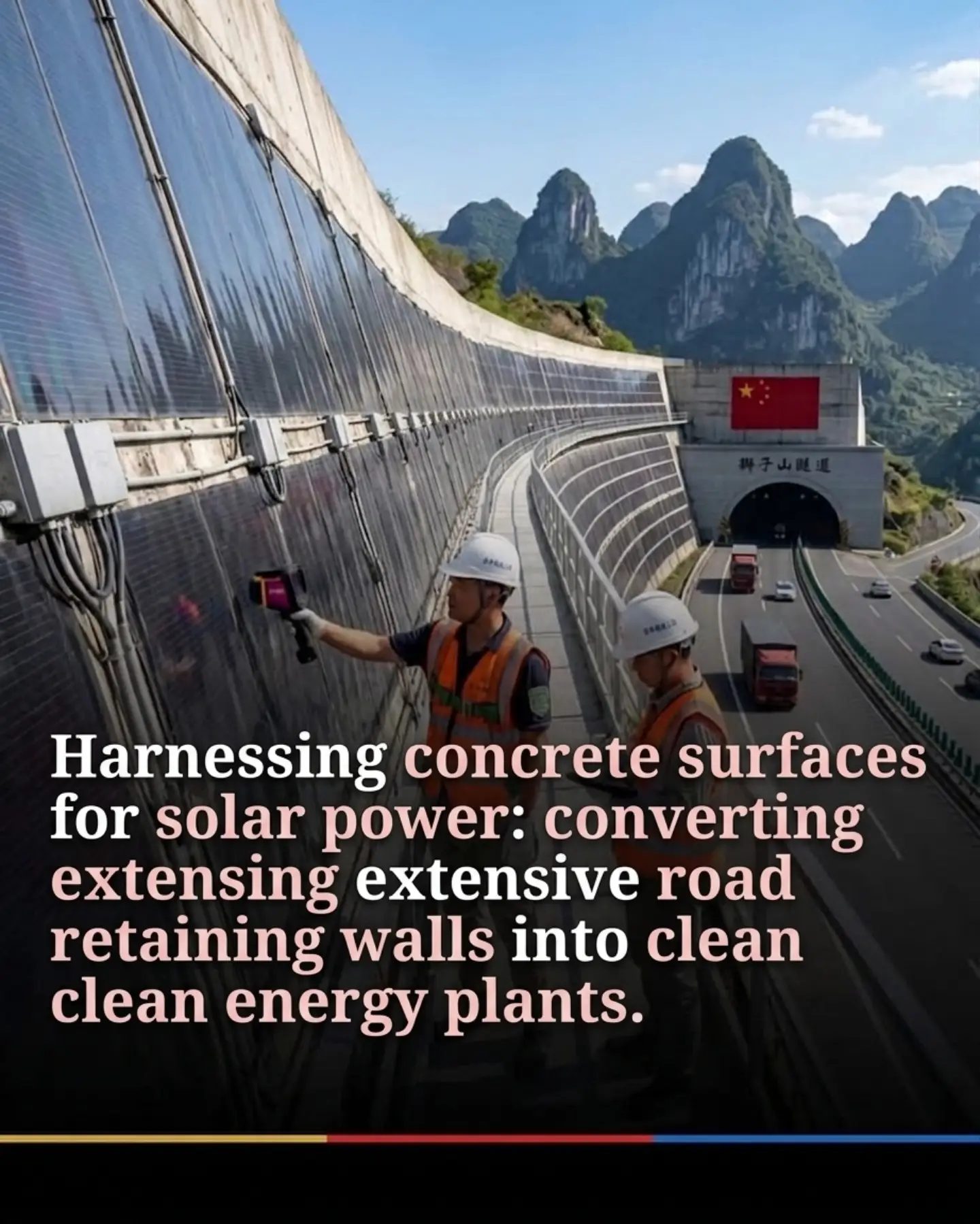
Solar-Powered Highways: Turning Roads into Clean Energy Plants
Innovative solutions are being explored to address the global demand for renewable energy. Integrating solar panels into transportation infrastructure, such as highways, could help in transforming infrastructure into clean energy producers. This concept involves replacing traditional retaining walls along roads with flexible solar panels. This approach not only utilizes existing road structures but also contributes to the generation of electricity from an unconventional surface. As cities and countries look for ways to reduce their carbon footprint, the concept of solar-powered highways is gaining traction as a viable solution.
Why This Matters
As the world transitions towards renewable energy, finding new and innovative ways to harness solar power is crucial. Roadways, which are extensive and often unused spaces, present a significant opportunity to generate clean energy. By integrating flexible solar panels into the retaining walls of highways, it's possible to create distributed energy plants. This not only reduces the need for new land acquisition but also turns existing infrastructure into functional energy producers.
The Concept of Solar-Powered Highways
Harnessing Concrete Surfaces
One of the key elements of solar-powered highways is the use of concrete surfaces for solar panel installation. Instead of having plain concrete retaining walls, these structures are being covered with flexible solar panels. This transformation allows for the conversion of extensive roadside infrastructure into clean energy plants.
Flexible Solar Panels
Flexible solar panels are a game-changer in this context. Unlike traditional rigid solar panels, flexible panels can be easily integrated into various surfaces, including retaining walls. This flexibility allows for the installation of solar panels in locations that were previously unfeasible, such as curved or uneven surfaces. The flexibility also makes them more resilient to vibrations and impacts, which are common on highways.
Benefits of Solar-Powered Highways
Energy Generation
The primary benefit of solar-powered highways is the generation of clean energy. By converting existing infrastructure into energy producers, it's possible to reduce the reliance on fossil fuels. This not only helps in achieving sustainability goals but also contributes to the reduction of greenhouse gas emissions.
Space Utilization
Highways and roadways cover vast areas, and their retaining walls are often underutilized. By integrating solar panels into these structures, it's possible to make use of this otherwise wasted space. This not only maximizes the efficiency of the infrastructure but also ensures that every square inch of available space is being utilized.
Practical Tips for Implementing Solar-Powered Highways
Assessing Road Infrastructure
Before implementing solar-powered highways, it's essential to assess the existing road infrastructure. This includes evaluating the condition of the retaining walls, the amount of sunlight they receive, and the feasibility of installing flexible solar panels. Conducting a thorough assessment will help in determining the potential energy generation and the overall viability of the project.
Choosing the Right Solar Panels
Selecting the right type of solar panels is crucial for the success of solar-powered highways. Flexible solar panels are ideal for this purpose as they can be easily integrated into various surfaces. Additionally, it's important to choose panels that are durable and can withstand the vibrations and impacts common on highways.
Important Takeaways
The concept of solar-powered highways is a promising solution for generating clean energy while making use of existing infrastructure. By integrating flexible solar panels into retaining walls, it's possible to convert these structures into functional energy producers. This approach not only maximizes the utilization of space but also contributes to the reduction of greenhouse gas emissions.
Conclusion
Solar-powered highways represent a forward-thinking approach to renewable energy generation. By harnessing the power of the sun through flexible solar panels, it's possible to turn road infrastructure into clean energy plants. As the world continues to seek sustainable solutions, the integration of solar panels into highways offers a practical and innovative way to meet energy demands while reducing the carbon footprint. This approach not only benefits the environment but also ensures that every square inch of available space is being utilized to its fullest potential.
Watch the Reel
Questions readers ask
What are solar-powered highways and how do they work?
Solar-powered highways are roads integrated with solar panels, typically replacing traditional retaining walls with flexible solar panels. These solar panels harness sunlight to generate electricity, converting highways into clean energy infrastructure while utilizing existing road structures.
Why is China leading the way in solar highway development?
China is at the forefront of this green energy movement due to its extensive highway network and commitment to renewable energy. By converting highways into solar power plants, China aims to reduce dependence on conventional land for solar farms and maximize the use of existing infrastructure.
How do solar highways contribute to sustainable highway design?
Solar highways contribute to sustainable design by turning unused infrastructure into clean energy producers. This integration helps reduce the carbon footprint of transportation networks and promotes the generation of renewable energy from unconventional surfaces.
What are the benefits of converting highways to solar power plants?
Converting highways to solar power plants offers multiple benefits, including reduced dependence on conventional energy sources, efficient use of existing infrastructure, and the generation of clean energy. This approach also helps in preserving land that would otherwise be used for solar farms.
What challenges might arise with the implementation of solar-powered highways?
Challenges may include the initial cost of installation, ensuring the durability of solar panels in high-traffic areas, and integrating the generated electricity into the existing power grid. Additionally, maintaining the functionality of the road while maximizing solar energy output is a key consideration.
How can other countries adopt the concept of solar highways?
Other countries can adopt this concept by investing in research and development to tailor solar highway technology to their specific needs. Collaboration with China and other pioneering nations can provide valuable insights. Additionally, governments can implement policies that support the integration of solar panels into existing infrastructure.
Related deep dives
Similar reads based on topic and creator.



Recent articles
Fresh deep dives from the latest Reels we unpacked.




Comments
Be the first to comment.