Military Robotics in Modern Warfare: The Integration of Autonomous Systems
The increasing role of military robots in modern warfare is transforming how armed forces approach combat and strategy. These autonomous systems are being integrated into military drills and operations, enabling more efficient and safer tactics. The use of robots in military operations is a growing trend, with multiple countries, including China, Russia, and the United States, developing and deploying these technologies.
Context / Why This Matters
Military robots are designed to perform a variety of tasks that range from surveillance and reconnaissance to direct combat and support roles. This shift towards automation in warfare is driven by the need to reduce human casualties and enhance operational effectiveness. By leveraging advanced robotics, military forces can undertake high-risk missions with minimal human involvement, ensuring that soldiers are used in safer, more strategic roles.
Main Discussion
The Role of Robots in Modern Military Drills
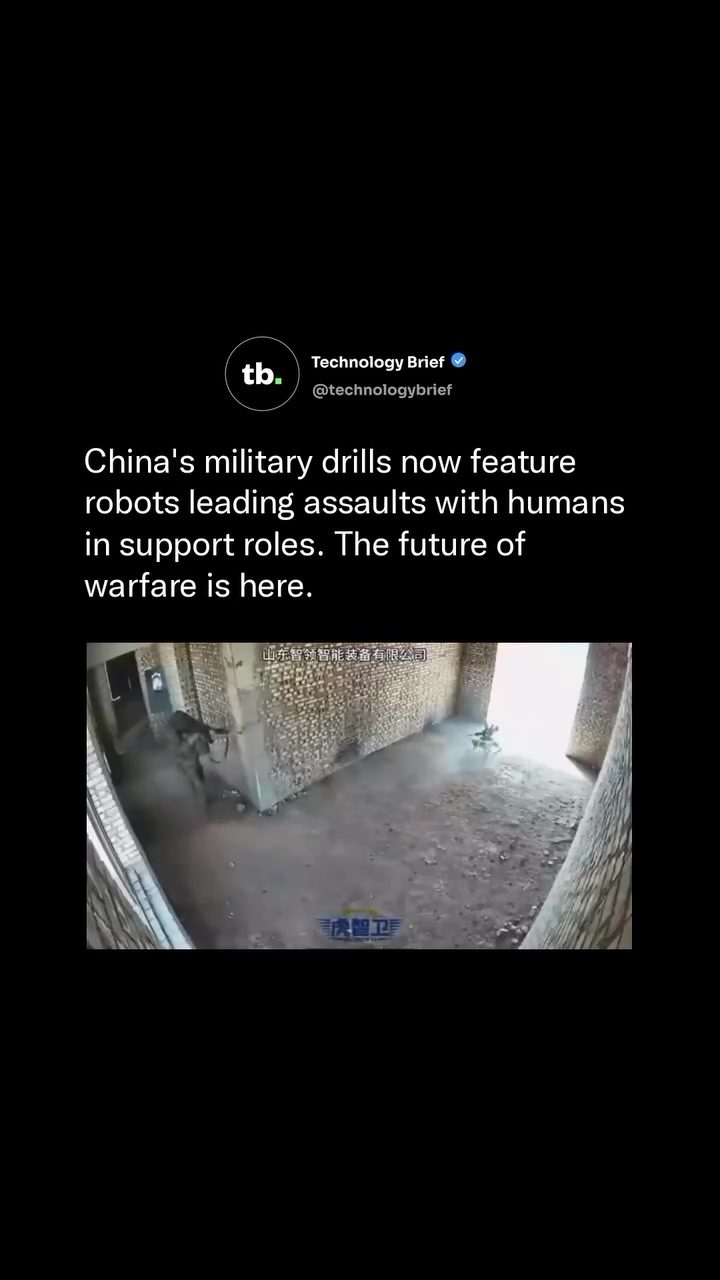
The integration of robots into military drills is a significant development. In China, private companies like Zhiling Intelligence have demonstrated the capabilities of armed robotic dogs, branded as "Huzhiwei," in leading close-quarters combat drills. These robots enter the space first, suppress enemy positions with rifle fire, and then allow infantry to advance behind them. This tactic not only showcases the robustness of robotic systems but also highlights the evolving strategies in modern warfare.
The Technological Advancements in Military Robotics
The technology behind military robots is rapidly advancing, with commercial platforms being adapted for military use. For instance, the Unitree GO2 Pro, a commercial robot, has been used in PLA drills, loaded with explosives to clear paths for troops. The affordability of these platforms, retailing for around $3,000, with additional attachments costing relatively little, makes them a cost-effective solution for military applications.
Global Adoption and Innovation
China is not the only country exploring the use of military robots. Russia fielded armed robot dogs as early as 2022, and similar technologies have appeared in the Ukraine conflict. The United States has also tested quadrupeds carrying anti-armor rockets, showcasing a global trend towards integrating autonomous systems into military operations. This global adoption underscores the strategic importance and potential advantages of military robotics.
The Future of Warfare
The future of warfare is increasingly shifting towards automated systems. The deployment of robots in combat roles, supported by human soldiers, represents a significant evolution in military strategy. This integration allows for more efficient and effective operations, leveraging the strengths of both human and machine capabilities. The combination of drones, robotic dogs, and other autonomous systems is creating a more dynamic and adaptable battlefield.
Practical Tips
For Military Strategists
Military strategists should focus on integrating robotics into existing training programs and combat strategies. This includes developing protocols for the safe and effective deployment of autonomous systems and training soldiers to work seamlessly with these technologies.
For Military Technology Companies
Companies involved in military technology should prioritize the development of robust, adaptable, and cost-effective robotic platforms. Ensuring that these systems can operate in a variety of environments and conditions is crucial for their success on the battlefield.
For Policy Makers
Policy makers need to address the ethical and legal implications of using autonomous systems in warfare. This includes establishing clear guidelines for the deployment of military robots and ensuring that these technologies are used in a manner that aligns with international laws and human rights principles.
Important Takeaways
The Strategic Advantages of Military Robots
Military robots offer significant strategic advantages, including the ability to perform high-risk missions with minimal human involvement. This reduces casualties and allows for more efficient and effective operations.
The Evolving Role of Humans in Combat
As military robotics become more advanced, the role of human soldiers is evolving. Soldiers are increasingly taking on support and strategic roles, working alongside autonomous systems to achieve mission objectives.
The Global Trend Towards Autonomy
The global trend towards integrating autonomous systems into military operations is undeniable. Countries around the world are investing in military robotics, recognizing the potential benefits and strategic advantages they offer.
Conclusion
The integration of military robots into combat and training operations is a significant development in modern warfare. As technologies advance, these autonomous systems will play an increasingly crucial role in military strategies. By leveraging the strengths of both human and machine capabilities, military forces can enhance operational effectiveness and reduce casualties. The future of warfare is here, and it is powered by the advancements in military robotics.
Watch the Reel
Questions readers ask
What types of missions are Chinese military robots primarily used for?
Chinese military robots are primarily deployed for high-risk missions such as close-quarters combat and other dangerous operations. This allows for a more efficient approach to combat while reducing the risk of human casualties.
Which companies in China are leading the development of military robots?
Companies like Zhiling Intelligence are at the forefront of developing military robots in China. They have demonstrated autonomous systems capable of leading combat drills and enhancing operational effectiveness.
How do military robots enhance operational effectiveness in combat?
Military robots enhance operational effectiveness by performing tasks that are dangerous for human soldiers, such as surveillance, reconnaissance, and direct combat. This allows for more strategic and safer military operations.
What are the benefits of integrating autonomous systems into military drills?
Integrating autonomous systems into military drills allows for more realistic training scenarios and better preparation for real-world combat situations. It also helps in identifying the strengths and weaknesses of these systems in a controlled environment.
Are other countries also developing military robots?
Yes, several countries are actively developing and deploying military robots, including Russia, the United States, and China. These countries are investing in autonomous systems to gain a competitive edge in modern warfare and reduce the risk to human soldiers.
How do military robots contribute to reducing human casualties?
Military robots can perform high-risk missions and tasks that would otherwise put human lives in danger. By taking on these roles, they significantly reduce the number of casualties among human soldiers.
What is the role of autonomous systems in enhancing military strategy?
Autonomous systems, such as military robots, provide real-time data and capabilities that can be leveraged to enhance military strategy. These systems can operate in environments that are too dangerous for humans, offering a new dimension to tactical planning and execution.
Recent articles
Fresh deep dives from the latest Reels we unpacked.




Comments
Be the first to comment.