Road Safety Technology
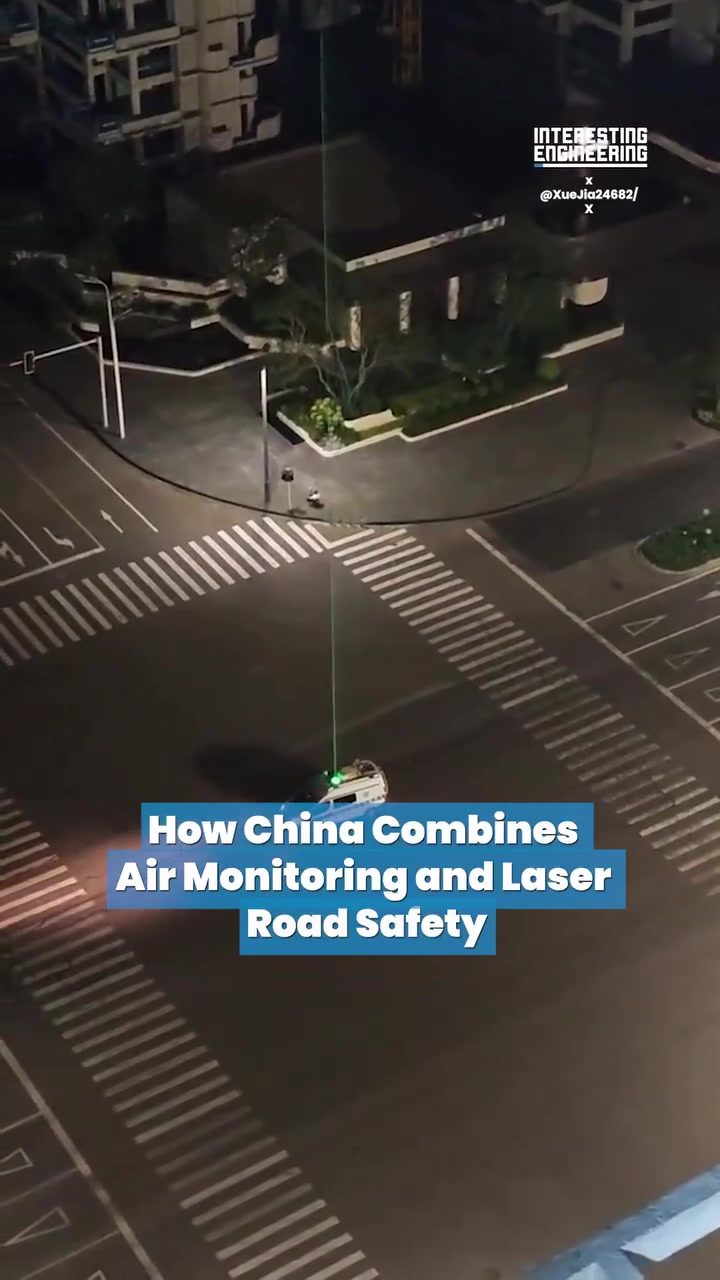
In China, innovative laser road monitoring systems are transforming how we approach air quality monitoring and road safety, especially during nighttime driving. One such system is a mobile air monitoring van equipped with laser-based sensors. This advanced system measures air quality, detects pollutants, and collects atmospheric data with remarkable precision.
Context / Why this matters
Road safety and air quality monitoring are critical for public health and transportation efficiency. By integrating these two functions into a single system, China is paving the way for smarter, safer roadways. This dual-purpose technology not only helps in real-time monitoring of air quality but also enhances driver safety, especially during long, potentially fatigue-inducing nighttime journeys.
Main discussion
Mobile Air Monitoring Vans
Mobile air monitoring vans, equipped with advanced laser-based sensors, are at the forefront of environmental monitoring. These vans use a technique known as LIDAR (Light Detection and Ranging), which involves firing a green laser into the sky. The laser measures the light reflected back by airborne particles, providing real-time data on pollution levels and altitude. This technology is particularly useful in urban areas where air quality can vary significantly over short distances and time periods.
Experimental Anti-Fatigue Laser Highways
In addition to air monitoring, China is experimenting with anti-fatigue laser highways. These highways use vibrant laser projections to create a dynamic visual environment that helps keep drivers alert. The system projects colorful laser beams onto the road surface, creating a mesmerizing and attention-grabbing display. This not only enhances safety by reducing driver fatigue but also adds an element of futuristic aesthetic to the roadways.
The Integration of Safety and Environment
The integration of these two technologies showcases a holistic approach to road safety and environmental monitoring. By combining air quality monitoring with road safety features, China is demonstrating how advanced technology can address multiple challenges simultaneously. This integrated approach is particularly valuable in regions where both air pollution and road safety are significant concerns.
Real-World Applications
The practical applications of these technologies are vast. For instance, in highly polluted cities, real-time air quality data can be used to issue timely alerts and guide traffic management. Meanwhile, the anti-fatigue laser highways can significantly reduce the risk of accidents during nighttime driving, which is often a high-risk period due to reduced visibility and increased driver fatigue.
Practical tips
To implement similar systems in other regions, several key considerations should be kept in mind:
- Technological Investment: Investing in advanced laser-based sensors and projection systems is crucial. These technologies require significant financial and technological resources but offer substantial long-term benefits.
- Policy and Regulation: Develop clear policies and regulations to guide the deployment and operation of these systems. This includes standards for data collection, privacy considerations, and safety protocols.
- Public Awareness: Educate the public about the benefits and functionality of these systems. Public awareness can foster acceptance and support, ensuring the successful implementation of these technologies.
- Integrated Approach: Consider an integrated approach where multiple safety and environmental monitoring systems work together. This can enhance overall effectiveness and efficiency.
- Continuous Monitoring and Upgrades: Regularly monitor the performance of these systems and make necessary upgrades. Technology evolves rapidly, and staying updated is essential for maintaining optimal performance.
Important takeaways
- Advanced Technologies: Laser-based sensors and projection systems are revolutionizing road safety and air quality monitoring. These technologies provide real-time data and dynamic visual cues that enhance safety and environmental awareness.
- Holistic Approach: The integration of air quality monitoring with road safety features showcases a comprehensive approach to addressing multiple challenges simultaneously.
- Public Health and Safety: These technologies play a crucial role in improving public health and safety by providing real-time data and reducing the risk of accidents.
- Future Prospects: The successful implementation of these technologies in China highlights their potential for widespread adoption and adaptation in other regions facing similar challenges.
Conclusion
Innovative laser road monitoring systems are reshaping our approach to road safety and environmental monitoring. By integrating air quality monitoring with road safety features, China is setting a new standard for smart, efficient, and safe roadways. As these technologies continue to evolve, their potential applications and benefits are vast, promising a future where public health and safety are significantly enhanced.
Watch the Reel
Questions readers ask
How does China's laser-based mobile van system improve air quality monitoring?
China's laser-based mobile van system enhances air quality monitoring by using laser sensors to continuously measure pollutants and collect atmospheric data in real-time. This real-time monitoring allows for immediate detection of high pollution levels, helping authorities to respond quickly to air quality issues.
What are the benefits of anti-fatigue laser highways for nighttime driving?
Anti-fatigue laser highways in China project vibrant visuals onto the road surface to keep drivers alert, especially during nighttime. These projections help to reduce driver fatigue and improve safety during long nighttime journeys by providing a clear visual guide and stimulating drivers' alertness.
How does the integration of air quality monitoring and road safety benefit public health?
By combining air quality monitoring and road safety, China's innovative system helps to reduce accidents and improve public health. The system's ability to monitor pollutants in real-time allows for timely interventions to improve air quality, while laser projections on highways enhance driver alertness, leading to safer roads.
What technology is used in China's mobile air quality monitoring vans?
China's mobile air quality monitoring vans utilize Lidar (Light Detection and Ranging) technology, which employs laser pulses to detect and measure airborne particles and pollutants. This technology enables precise and efficient real-time monitoring of air quality, providing accurate data for immediate action.
How do mobile laser vans contribute to real-time air pollution monitoring in China?
Mobile laser vans in China are equipped with advanced laser sensors that continuously scan and analyze the air for pollutants. They transmit this data in real-time, allowing local authorities to monitor air quality dynamically and take swift measures to mitigate pollution, ensuring healthier conditions for residents.
What makes laser projection highways effective for nighttime driving safety in China?
Laser projection highways in China are effective for nighttime driving safety because they create a visually stimulating environment that keeps drivers attentive. By projecting clear, visible patterns on the road surface, these systems help drivers maintain focus and avoid fatigue, reducing the risk of accidents during nighttime journeys.
In what ways do China's innovative road safety technologies enhance transportation efficiency?
China's innovative road safety technologies, such as laser projection highways and mobile air quality monitoring vans, enhance transportation efficiency by reducing accidents and delays caused by poor air quality and driver fatigue. This leads to smoother traffic flow and more efficient transportation networks, ultimately improving overall travel experiences.
Related deep dives
Similar reads based on topic and creator.


Recent articles
Fresh deep dives from the latest Reels we unpacked.




Comments
Be the first to comment.