Tunnel Boring Machines Transforming High-Speed Rail in China
Introduction
Tunnel Boring Machines (TBMs) are revolutionizing high-speed rail infrastructure in China. These powerful machines are essential in constructing complex tunnel systems beneath major waterways like the Yangtze River, showcasing engineering marvels and technological advancements.
Why This Matters
China's ambitious high-speed rail network is expanding rapidly, with TBMs playing a crucial role in these developments. TBMs facilitate the construction of tunnels that are vital for connecting urban centers efficiently and safely. The successful completion of the Kaiyuanba Yangtze River Railway Tunnel in Chongqing is a prime example of how TBMs are transforming railway infrastructure.
Main Discussion
The Kaiyuanba Yangtze River Railway Tunnel
The Kaiyuanba Yangtze River Railway Tunnel in Chongqing stands as a testament to the capabilities of modern TBMs. Stretching 11,942 meters, this tunnel is the first high-speed rail tunnel to pass beneath the Yangtze River. Traditional crossings typically spanned the river via bridges, but this tunnel marks a significant shift in infrastructure design.
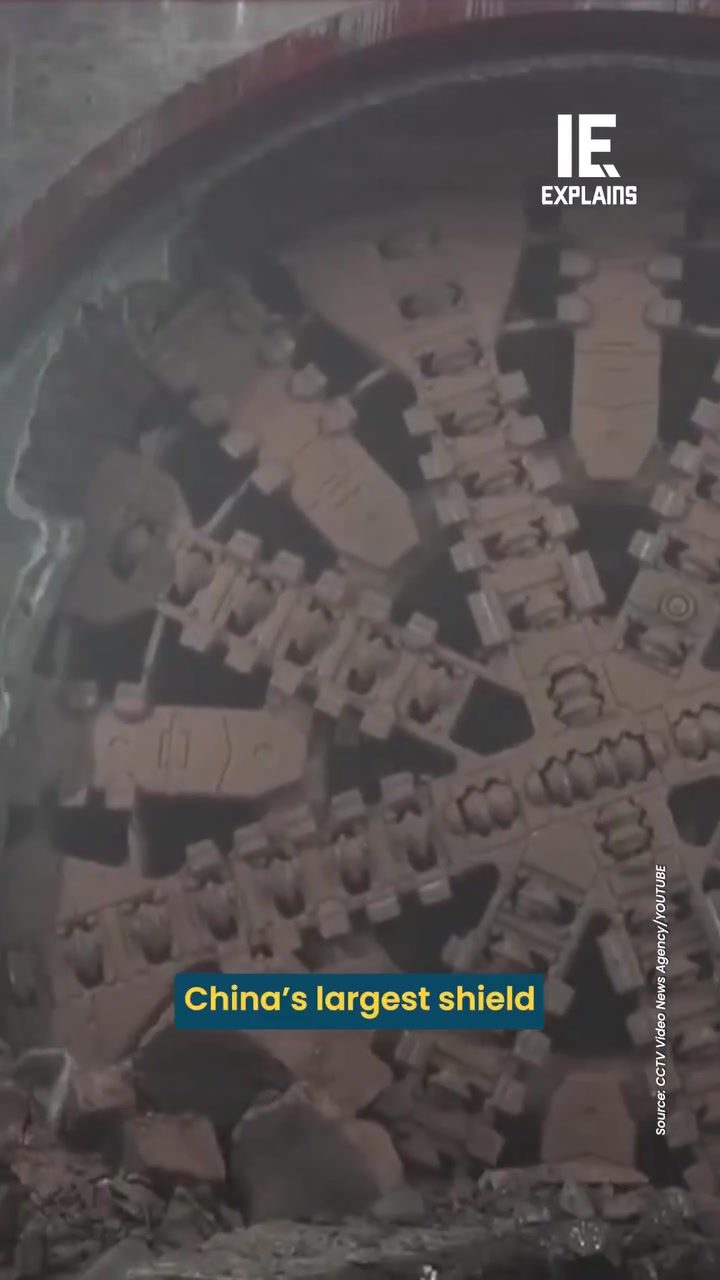
The tunnel's construction involved navigating challenging geological conditions, including karst formations, fault zones, and coal-seam gas. The TBM used, a 12.6-meter diameter Herrenknecht Mixshield named Changjiang, successfully carved a path through these obstacles. Despite the complexity, the tunnel was driven beneath the riverbed with a minimum of 10 meters of cover and water pressure up to 9 bar.
High-Speed Rail Developments
The Kaiyuanba Tunnel is part of the 1,600-kilometer Chongqing-Xiamen corridor, a crucial link in the 'eight by eight' high-speed rail grid. This grid, already around 84% complete, aims to connect major cities in China, enhancing transportation efficiency and reducing travel times. The successful completion of this tunnel is a significant step towards Beijing's goal of having this grid substantially built by 2030.
Technological and Engineering Achievements
The Kaiyuanba project showcases several technological and engineering achievements. The TBM used in the project is China’s largest shield tunnelling machine, designed specifically for high-speed rail construction. The machine's capabilities are highlighted by its ability to cut through 11.3 kilometers of earth and rock efficiently.
Near Shanghai, another significant project demonstrates the versatility of TBMs. A 15-meter diameter machine recently cut 7.3 kilometers beneath the Yangtze River at a depth of 89 meters. This tunnel is designed for trains traveling at speeds up to 350 kilometers per hour, showcasing the future of high-speed rail.
Underwater Rail Projects
China's next phase of high-speed rail development includes a focus on underwater tunnels, with plans for an additional 10,000 kilometers of tracks. These tunnels will further integrate coastal and urban areas, enhancing connectivity and economic development. The success of the Kaiyuanba project paves the way for future underwater tunnel projects, demonstrating the feasibility and reliability of TBMs in challenging conditions.
Practical Tips
For anyone involved in large-scale infrastructure projects, especially those involving underground tunneling, there are several practical tips to consider:
-
Surveillance of Geological Conditions: Thorough geological surveys are crucial to understand the terrain and potential challenges. The Kaiyuanba project faced complex conditions, including karst, fault zones, and coal-seam gas, which required meticulous planning and execution.
-
Advanced Machinery: Investing in high-quality, specialized machinery like the Herrenknecht Mixshield is essential for efficient and reliable tunneling. The right equipment can significantly reduce construction time and costs.
-
Risk Management: Planning for unexpected challenges, such as high water pressure and geological instability, is critical. Effective risk management strategies, including contingency plans and monitoring systems, ensure project continuity.
-
Collaboration and Expertise: Collaboration with experts in tunneling and rail infrastructure is vital. The success of the Kaiyuanba project highlights the importance of leveraging specialized knowledge and experience.
-
Innovation and Technology: Staying updated with the latest technological advancements and innovative solutions can enhance project outcomes. The use of advanced TBMs in the Kaiyuanba project exemplifies how technology can overcome significant engineering challenges.
Important Takeaways
Tunnel Boring Machines are essential in revolutionizing high-speed rail infrastructure in China. The completion of the Kaiyuanba Yangtze River Railway Tunnel exemplifies the capabilities and reliability of TBMs in navigating complex geological conditions and challenging environments. This project is a key milestone in the 'eight by eight' high-speed rail grid, which aims to connect major cities and enhance transportation efficiency.
The innovations in TBM technology and engineering showcased in the Kaiyuanba project pave the way for future underground and underwater tunnel projects. As China continues to expand its high-speed rail network, the successful implementation of these projects will significantly impact urban connectivity, economic development, and regional integration.
Conclusion
Tunnel Boring Machines are at the forefront of China's ambitious high-speed rail expansion, enabling the construction of critical infrastructure projects. The Kaiyuanba Yangtze River Railway Tunnel in Chongqing is a prime example of how TBMs can overcome significant engineering challenges, paving the way for future developments. As China continues to innovate and expand its rail network, the role of TBMs will only become more prominent, driving forward the future of transportation and connectivity.
Watch the Reel
Questions readers ask
What is the significance of the Kaiyuanba Yangtze River Railway Tunnel in Chongqing?
The Kaiyuanba Yangtze River Railway Tunnel is a major milestone in China's high-speed rail network. It is the longest tunnel ever built under the Yangtze River, stretching 11,942 meters. This tunnel is crucial for enhancing connectivity between urban centers in the region, showcasing the advancements in TBM technology.
What is a Tunnel Boring Machine (TBM) and why is it important in China's infrastructure development?
A Tunnel Boring Machine (TBM) is a specialized construction tool used to excavate tunnels with a circular cross-section. In China, TBMs are pivotal in building complex tunnel systems beneath major waterways, like the Yangtze River. They enable the rapid and efficient construction of high-speed rail infrastructure, which is essential for urban connectivity.
What makes the Herrenknecht Mixshield 12.6-meter diameter Changjiang notable?
The Herrenknecht Mixshield 12.6-meter diameter Changjiang is notable for being the largest TBM in China. It successfully completed the Kaiyuanba Yangtze River Railway Tunnel, demonstrating the capabilities of advanced TBM technology in handling complex tunnel projects, such as the riverbed tunneling beneath the Yangtze River.
How do TBMs contribute to the development of high-speed rail in China?
TBMs contribute to high-speed rail development in China by enabling the construction of long, deep, and complex tunnels. These tunnels are vital for connecting urban centers efficiently and safely, supporting the rapid expansion of China's high-speed rail network. They also help in overcoming geographical barriers, such as major rivers and mountains.
What are the key benefits of using TBMs in tunnel construction under major rivers like the Yangtze River?
Using TBMs in tunnel construction under major rivers offers several benefits. TBMs allow for efficient and precise excavation, minimizing disruption to the river and its surroundings. They also enhance safety by reducing the need for manual labor in hazardous conditions. Additionally, TBMs facilitate the construction of longer and deeper tunnels, which are essential for high-speed rail infrastructure.
How does the completion of the Kaiyuanba Tunnel impact Chongqing's connectivity?
The completion of the Kaiyuanba Tunnel significantly enhances Chongqing's connectivity by providing a direct and efficient rail link across the Yangtze River. This improves transportation between urban centers, reduces travel time, and supports economic growth. The tunnel is a key component in the broader high-speed rail network, facilitating smoother commuting and freight transportation.
What challenges were overcome using the Herrenknecht Mixshield TBM in the Kaiyuanba Tunnel?
The Herrenknecht Mixshield TBM faced several challenges during the Kaiyuanba Tunnel project, including the need to navigate through complex geological conditions and the high water pressure of the Yangtze River. The TBM's advanced technology allowed it to successfully excavate the tunnel while maintaining structural integrity and ensuring safety. This project highlights the machine's capability in handling intricate riverbed tunneling tasks.
Related deep dives
Similar reads based on topic and creator.


Recent articles
Fresh deep dives from the latest Reels we unpacked.




Comments
Be the first to comment.