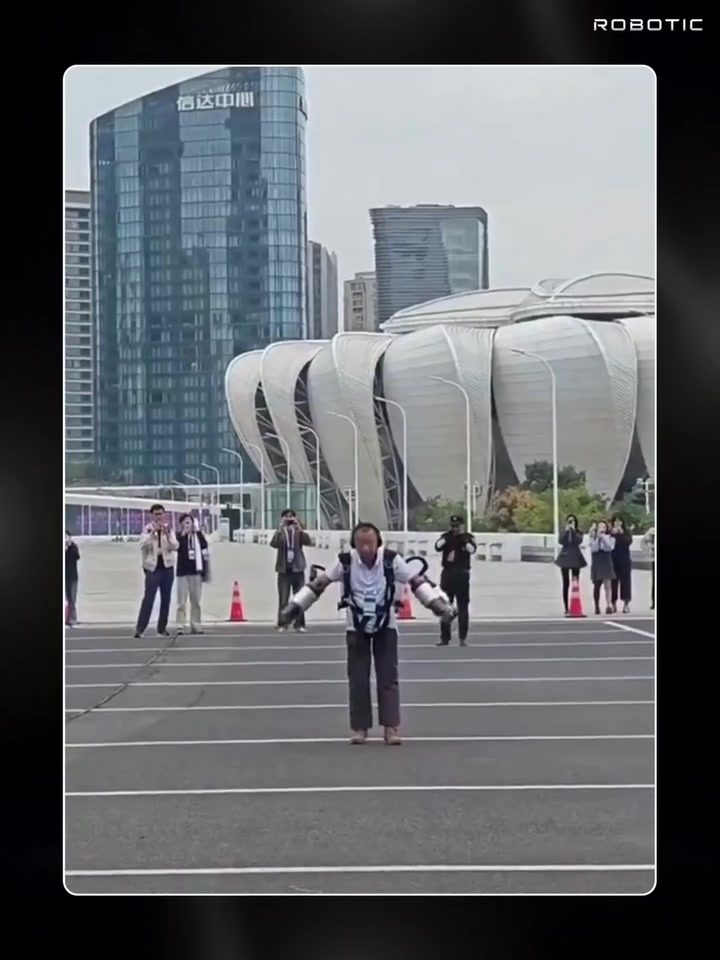
Flying Suits: The Future of Personal Flight
Flying suits, or jetpacks, have long been a staple of science fiction, but recent advancements in aerospace engineering are bringing them closer to reality. These personal flight systems offer the potential to revolutionize various industries, from rescue operations to extreme exploration. Let's delve into the world of flying suits, their capabilities, challenges, and potential applications.
Why This Matters
The development of personal flight systems marks a significant milestone in aerospace engineering. These devices could transform the way we move, particularly in hard-to-reach areas or during emergencies. Moreover, they represent a convergence of technologies that were once purely the stuff of imagination, such as AI drones and humanoid robots. As these technologies become more practical, they open up new possibilities for innovation and progress.
Main Discussion
The Technology Behind Flying Suits
Flying suits typically rely on jet propulsion to achieve flight. The suit showcased in the demonstration uses a lightweight, jet-powered system designed to carry a person through the air. This system is capable of reaching speeds of around 100 km/h and altitudes of up to 1,500 meters. The suit is equipped for stable hovering, rapid climbs, and controlled mid-air movement, making it versatile for various applications.
Applications and Use Cases
The potential applications for flying suits are vast and varied. Some of the most promising uses include:
- Rescue Operations: In emergency situations, flying suits could provide a quick and efficient way to reach areas that are otherwise inaccessible.
- Emergency Response: During natural disasters or other emergencies, flying suits could help responders navigate difficult terrain or reach stranded individuals.
- Border Monitoring: Flying suits could be used to monitor borders and detect unauthorized activities, enhancing security and surveillance capabilities.
- Extreme Exploration: Adventurers and explorers could use these suits to access remote and challenging locations, pushing the boundaries of human exploration.
Challenges and Considerations
Despite their promise, flying suits face several significant challenges. These include:
- Safety: Ensuring the safety of users is paramount. Flying suits must be reliable and durable to prevent accidents and injuries.
- Fuel Efficiency: Jet-powered suits require a substantial amount of fuel, which can limit their range and flight time. Improving fuel efficiency is a critical area of development.
- Regulation: The use of flying suits will likely require new regulations and guidelines to ensure safe and responsible operation. This includes addressing issues like airspace management and public safety.
- Accessibility: Making flying suits accessible to a broader range of users will be essential for their widespread adoption. This involves not only cost considerations but also training and support for users.
Practical Tips
If you're interested in exploring the world of flying suits, here are some practical tips to get you started:
- Stay Informed: Keep up with the latest developments in aerospace engineering and personal flight systems. Follow industry leaders and experts to stay informed about new advancements and breakthroughs.
- Safety First: If you have the opportunity to try a flying suit, prioritize safety. Make sure you are properly trained and equipped before taking to the skies.
- Explore Options: There are many different types of flying suits and personal flight systems available. Research the various options to find the one that best fits your needs and interests.
- Join a Community: Engage with communities of enthusiasts, researchers, and professionals in the field. Joining forums, attending conferences, and participating in online discussions can provide valuable insights and connections.
Important Takeaways
Flying suits represent a fascinating and transformative technology with the potential to revolutionize various industries. While there are significant challenges to overcome, ongoing advancements in aerospace engineering are making personal flight systems more practical and accessible than ever before. From rescue operations to extreme exploration, the applications of flying suits are vast and varied. As we continue to push the boundaries of human flight, it's essential to prioritize safety, innovation, and responsible use.
Conclusion
The future of transportation may not only happen on roads but could also happen above them. Flying suits, with their incredible capabilities and potential applications, are at the forefront of this exciting evolution. As we continue to develop and refine these technologies, we edge closer to a world where personal flight is a reality, transforming the way we live, work, and explore.
Watch the Reel
Questions readers ask
How do jet-powered flying suits work?
Jet-powered flying suits, also known as jetpacks, use small jet engines to propel the wearer through the air. These engines are typically fueled by a lightweight, high-energy fuel source, allowing for controlled flight, including vertical takeoff and landing, and mid-air maneuvers.
What are the primary uses for flying suits in the future?
Flying suits have the potential to be used in various scenarios, including search and rescue missions, disaster response, and border monitoring. Their ability to access difficult terrain and navigate through obstacles makes them invaluable in emergency situations.
What are the main challenges in developing flying suit technology?
Key challenges include developing a power source that provides sufficient flight duration, ensuring stable and controllable flight, and designing a suit that is both lightweight and durable. Additionally, safety measures need to be robust to protect the pilot and bystanders.
What makes China's jet-powered flying suit unique?
China's jet-powered flying suit stands out due to its advanced aerospace engineering, which enables high speeds, significant altitude, and precise mid-air control. These features are crucial for various applications, from rescue operations to exploration in challenging environments.
How do flying suits compare to traditional aircraft?
Unlike traditional aircraft, flying suits offer unparalleled maneuverability and the ability to take off and land vertically. They are also more compact and portable, making them suitable for personal use and operation in confined spaces.
What safety measures are in place for flying suits?
Safety features for flying suits include emergency parachutes, redundant flight control systems, and protective gear for the pilot. These measures are essential to mitigate risks associated with high-speed flight and potential malfunctions.
What is the future of personal flight technology in China?
China is at the forefront of personal flight technology, with ongoing advancements in jet-powered suits and other innovative flight systems. As technology progresses, we can expect to see more refined and accessible personal flight options, enhancing capabilities in various industries.
Related deep dives
Similar reads based on topic and creator.

Recent articles
Fresh deep dives from the latest Reels we unpacked.




Comments
Be the first to comment.