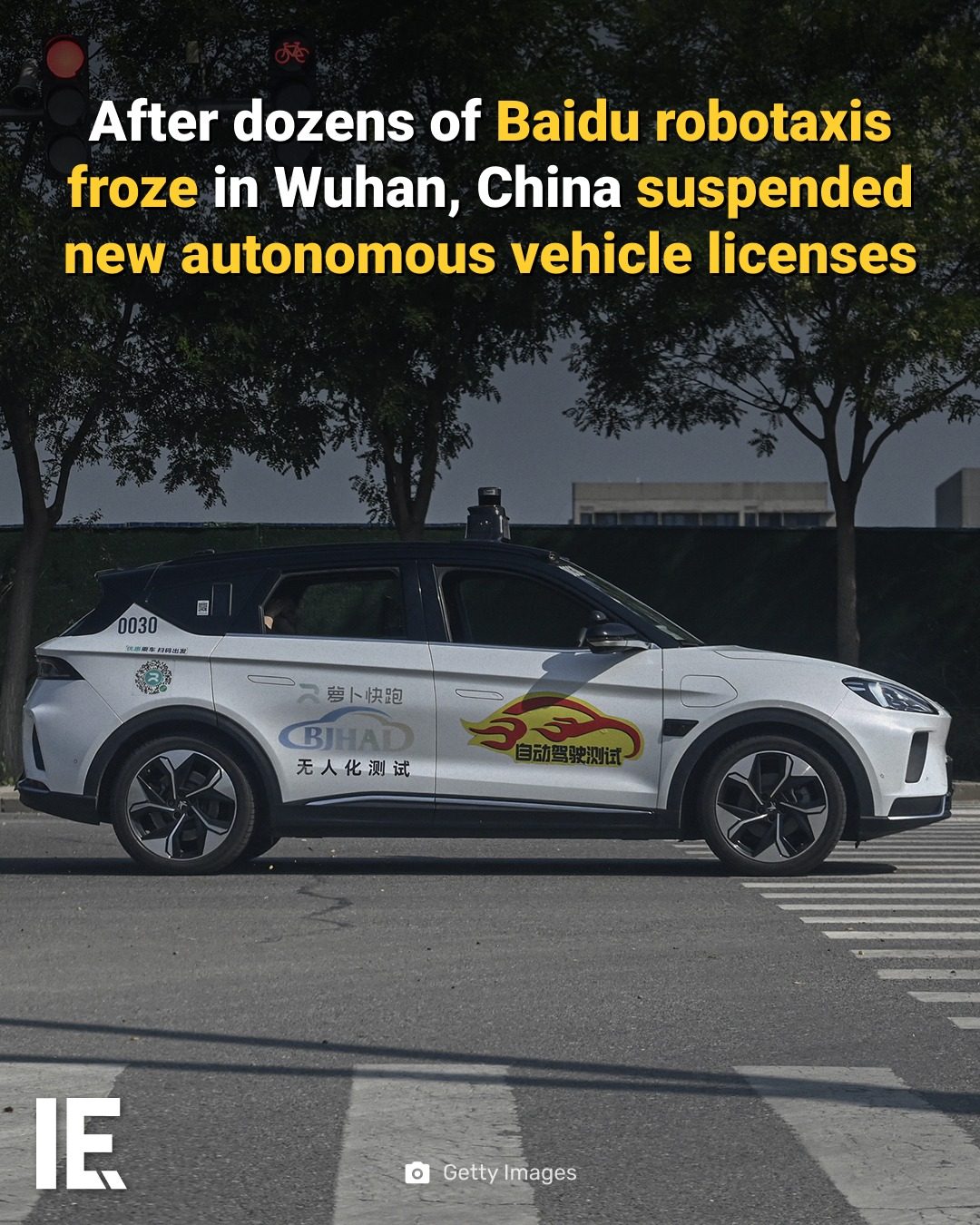
Autonomous Vehicle Suspension in China: Challenges and Implications
Autonomous vehicles, once hailed as the future of transportation, have encountered significant hurdles in China. Recent events have raised questions about the readiness of self-driving fleets for large-scale urban deployment. The incident involving dozens of Baidu's Apollo Go robotaxis in Wuhan, which simultaneously came to a halt, has sparked a comprehensive review of the autonomous vehicle industry in China.
Context / Why this matters
The suspension of new autonomous vehicle licenses in China is a pivotal moment for the industry. China has been at the forefront of autonomous vehicle development, with companies like Baidu leading the charge. The freeze on new licenses and the mandated safety reviews underscore the gravity of the situation and the need for rigorous safety protocols.
In Wuhan, the incident involving Baidu's Apollo Go robotaxis not only disrupted traffic but also highlighted the potential risks associated with autonomous vehicles. The freeze marks a major setback for an industry that had been expanding rapidly. This incident has prompted a reevaluation of the safety and reliability of autonomous vehicles, especially in densely populated urban areas.
Main discussion
Background on Autonomous Vehicles in China
China has been a global leader in the development and deployment of autonomous vehicles. Companies like Baidu have invested heavily in creating self-driving fleets, particularly in urban areas. The country's regulatory environment has been relatively supportive, allowing for rapid innovation and deployment of autonomous vehicle technologies. However, the recent incident in Wuhan has brought attention to the need for stricter safety protocols and regulatory oversight.
The Incident in Wuhan
The simultaneous malfunction of dozens of Baidu's Apollo Go robotaxis in Wuhan was a wake-up call for the industry. The incident not only stranded passengers but also caused significant traffic disruptions. This event prompted immediate regulatory action, with three Chinese government agencies, including the Ministry of Industry and Information Technology, convening an emergency meeting. The suspension of new licenses for autonomous vehicles and the requirement for full safety reviews highlight the severity of the situation.
Regulatory Response
The regulatory response to the incident in Wuhan has been swift and comprehensive. The suspension of new licenses for autonomous vehicles is a clear indication that safety is a top priority. Local governments have been called upon to conduct full safety reviews, ensuring that all autonomous vehicles meet stringent safety standards. This move is likely to slow down the expansion of autonomous vehicle fleets but will ultimately enhance their safety and reliability.
Impact on the Industry
The incident has significant implications for the autonomous vehicle industry in China. Companies like Baidu, which have been at the forefront of autonomous vehicle development, will need to re-evaluate their safety protocols and technologies. The suspension of new licenses and the requirement for full safety reviews will likely lead to a slowing down of the industry. However, it also provides an opportunity for companies to focus on improving the safety and reliability of their autonomous vehicles.
Safety and Reliability
The incident in Wuhan raises broader questions about the readiness of self-driving fleets for large-scale urban deployment. Safety and reliability are paramount, especially in densely populated areas. The freeze on new licenses and the safety reviews are a step towards ensuring that autonomous vehicles can operate safely and reliably in urban environments. Companies will need to invest in advanced safety technologies and rigorous testing to meet these new standards.
Practical tips
For Autonomous Vehicle Companies
- Enhanced Safety Protocols: Implement robust safety protocols and redundant systems to prevent malfunctions.
- Rigorous Testing: Conduct extensive testing in various urban environments to identify and mitigate potential issues.
- Collaboration with Regulators: Work closely with regulatory bodies to ensure compliance with safety standards and guidelines.
For Urban Planners
- Infrastructure Readiness: Ensure that urban infrastructure is ready to support autonomous vehicles, including dedicated lanes and charging stations.
- Public Awareness: Educate the public about the benefits and potential risks of autonomous vehicles to build trust and acceptance.
- Emergency Response Plans: Develop and communicate emergency response plans in case of autonomous vehicle malfunctions.
Important Takeaways
The incident in Wuhan and the subsequent regulatory response highlight the need for enhanced safety and reliability in autonomous vehicles. Companies and regulators must work together to ensure that self-driving fleets are ready for large-scale urban deployment. While the suspension of new licenses and the safety reviews may slow down the industry, they are essential steps towards building a safer and more reliable autonomous vehicle ecosystem.
Conclusion
The recent suspension of new autonomous vehicle licenses in China underscores the importance of safety and reliability in the industry. The incident involving Baidu's Apollo Go robotaxis in Wuhan has highlights the challenges and opportunities for the autonomous vehicle sector. As the industry moves forward, companies and regulators must prioritize safety and work towards building a robust and reliable autonomous vehicle ecosystem. The future of autonomous vehicles in China and beyond lies in striking a balance between innovation and stringent safety standards.
Watch the Reel
Questions readers ask
Why did China pause new licenses for autonomous vehicles?
After a large-scale malfunction of Baidu's robotaxis in Wuhan, China, authorities decided to pause new licenses for autonomous vehicles to review the safety and reliability of the technology. This review is necessary to prevent further incidents and ensure the well-being of passengers.
What happened during the Baidu robotaxi glitch in Wuhan?
In Wuhan, dozens of Baidu's Apollo Go robotaxis simultaneously came to a halt, stranding passengers and raising concerns about the reliability of autonomous vehicle technology. This incident highlighted potential safety issues in large-scale urban deployments.
How does this incident affect the autonomous vehicle industry in China?
The suspension of new licenses and the mandated safety reviews indicate a significant setback for the industry. It may slow the rapid expansion of autonomous vehicles in China, as companies and regulators alike focus on addressing safety concerns.
What are the implications for companies like Baidu?
Companies like Baidu, which have been leading the development of autonomous vehicles in China, will need to address the technical issues that led to the Wuhan incident. They may also face stricter regulations and scrutiny moving forward.
What kind of review is being conducted on the autonomous vehicle industry in China?
The review involves a comprehensive evaluation of the safety and reliability of autonomous vehicle technology. It aims to assess the readiness of self-driving fleets for large-scale urban deployment and to identify areas for improvement in the industry's regulations.
Will this incident impact the future of autonomous vehicles in China?
The incident is likely to influence future regulations and guidelines for autonomous vehicles in China. It could lead to stricter safety standards and more rigorous testing requirements, ultimately shaping the future of autonomous driving in the country.
What should passengers expect from autonomous vehicle services in the near future?
Passengers may experience delays in the expansion of autonomous vehicle services due to the licensing halt. Safety enhancements and improved reliability are expected to be prioritized, ensuring a more secure experience in the future.
Related deep dives
Similar reads based on topic and creator.


Recent articles
Fresh deep dives from the latest Reels we unpacked.




Comments
Be the first to comment.