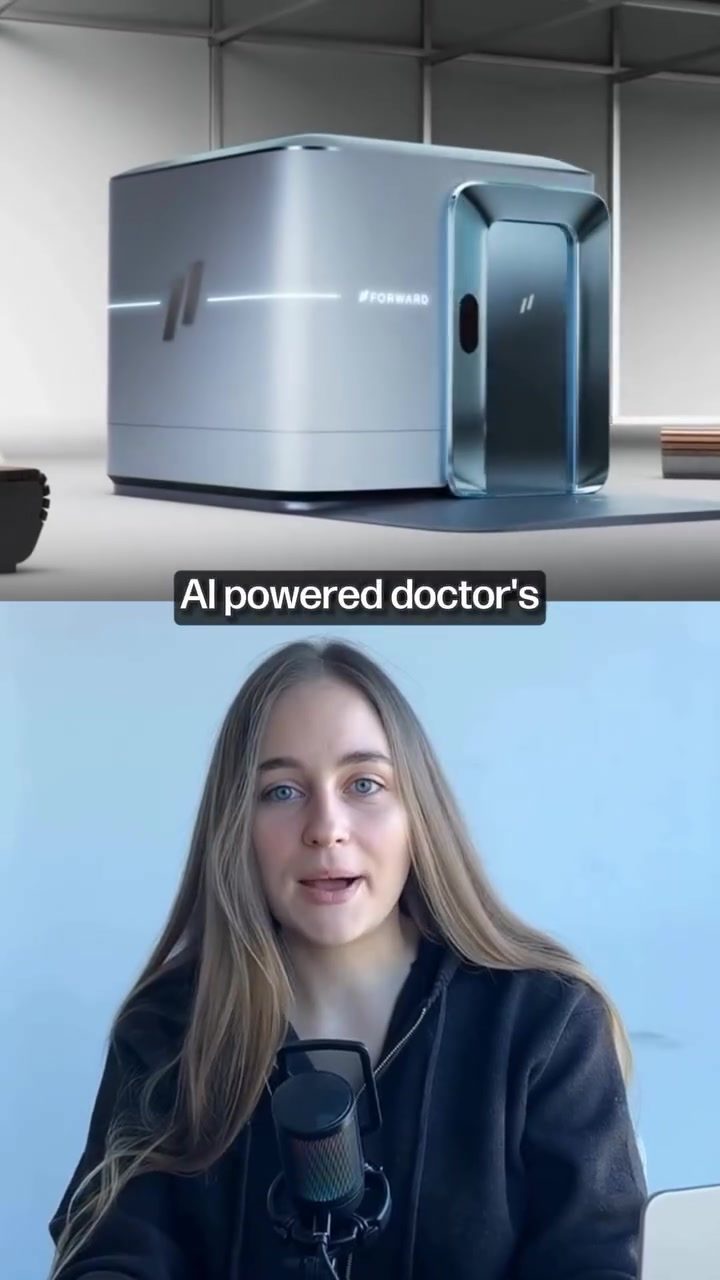
Automated Healthcare Dispensers in China
Automated healthcare dispensers are revolutionizing the way healthcare services are delivered, particularly in China. These AI-powered kiosks offer a glimpse into the future of medical care, providing diagnoses and dispensing medicine without the need for an on-site physician. This innovation is part of a broader trend in healthcare technology that aims to make medical services more accessible and efficient.
Context / Why this matters
The introduction of automated healthcare dispensers addresses several critical challenges in the healthcare sector. With a growing and aging population, there is an increasing demand for medical services. However, the supply of healthcare professionals often struggles to keep up with this demand. Automated healthcare dispensers help bridge this gap by providing immediate medical attention and diagnoses, even in areas where healthcare professionals are scarce.
Moreover, these dispensers can significantly reduce wait times and improve the efficiency of healthcare delivery. Patients can walk into a kiosk, describe their symptoms, and receive a diagnosis within minutes. This not only saves time but also ensures that medical resources are used more effectively, allowing healthcare professionals to focus on more complex cases.
Main discussion
How Automated Healthcare Dispensers Work
Automated healthcare dispensers like the FORWARD kiosk operate using advanced AI algorithms. When a patient walks in, they are prompted to describe their symptoms. The AI then asks follow-up questions to gather more information, mimicking the interaction with a real doctor. Based on this information, the AI generates a diagnosis within about a minute.
The Role of Remote Doctors
While the AI handles the initial diagnosis, the results are sent to a remote doctor for review. This ensures that the diagnosis is accurate and that the patient receives appropriate medical advice. The remote doctor can then approve the dispensing of medicine by the machine, ensuring that the patient gets the treatment they need promptly.
The Future of Automated Healthcare
China plans to install thousands of these kiosks across the country to serve millions of people. This initiative underscores the potential of automated healthcare to transform medical services on a large scale. By making healthcare more accessible and efficient, these dispensers can improve the overall health outcomes for the population.
Practical tips
For Patients
- Be Clear and Concise: When describing your symptoms to the AI, be as clear and concise as possible. This will help the AI generate a more accurate diagnosis.
- Follow Instructions: Pay close attention to the instructions provided by the AI and follow them carefully. This will ensure that you receive the appropriate medical advice and treatment.
- Seek Further Care If Needed: While the kiosks provide immediate medical attention, they are not a replacement for comprehensive medical care. If your condition is serious, seek further medical attention from a healthcare professional.
For Healthcare Providers
- Stay Updated: Keep yourself updated with the latest developments in healthcare technology. Understanding how these kiosks work can help you integrate them more effectively into your practice.
- Provide Remote Support: As a healthcare professional, you can provide remote support to the patients using these kiosks. This will ensure that they receive accurate diagnoses and appropriate treatment.
- Collaborate with Tech Companies: Collaborate with technology companies to develop and improve these kiosks. Your expertise can help ensure that they are effective and reliable.
Important takeaways
Automated healthcare dispensers represent a significant advancement in healthcare technology. They offer a convenient and efficient way to provide medical services, particularly in areas where healthcare professionals are scarce. By leveraging AI and remote medical support, these dispensers can improve accessibility and efficiency in healthcare delivery.
Moreover, the success of these kiosks in China highlights the potential of automated healthcare solutions. As technology continues to evolve, we can expect to see more innovative solutions that transform the way medical services are delivered.
Conclusion
Automated healthcare dispensers are poised to play a crucial role in the future of medical care. By providing immediate medical attention and diagnoses, these kiosks can make healthcare more accessible and efficient. As we continue to develop and implement these technologies, we can look forward to a future where everyone has access to quality medical care, regardless of their location or circumstances.
Watch the Reel
Questions readers ask
How do AI-powered healthcare kiosks in China provide diagnoses?
These kiosks use advanced algorithms to analyze patient symptoms, medical history, and other relevant data. They can perform basic diagnostic tests and provide preliminary diagnoses without the need for a nearby physician, though complex cases may still require human medical review.
What types of medications can these kiosks dispense?
AI-powered healthcare kiosks can dispense a range of common medications, including those for minor ailments such as colds, allergies, and digestive issues. They can also provide over-the-counter drugs and some prescription medications, depending on their programming and regulatory approvals.
How do these kiosks improve healthcare efficiency in China?
By automating routine tasks, AI-powered kiosks reduce the workload on healthcare professionals and minimize wait times for patients. They can handle multiple patients simultaneously, making healthcare services more accessible, especially in areas with a shortage of medical staff.
What challenges do these kiosks address in China's healthcare system?
China's aging population and limited healthcare workforce create significant demand for medical services. These kiosks help alleviate these issues by providing 24/7 access to medical care, ensuring that patients receive timely treatment even in remote or underserved areas.
How do patients interact with AI-powered healthcare kiosks?
Patients interact with the kiosks through user-friendly interfaces, which can include touchscreens, voice recognition, and even visual diagnostics. The kiosks guide patients through a series of questions and tests, ensuring they receive appropriate medical care and possibly redirecting them to a healthcare professional if necessary.
Are there any limitations to the use of these healthcare kiosks?
While highly effective for many routine medical needs, these kiosks may not be suitable for complex or emergency medical conditions. They are designed to handle common health issues and should be used in conjunction with, rather than as a replacement for, traditional medical services.
What regulations govern the use of AI-powered healthcare kiosks in China?
The deployment and operation of these kiosks in China are subject to regulatory oversight. The kiosks must comply with national and local health regulations, undergo rigorous testing, and receive appropriate certifications to ensure patient safety and data privacy.
Related deep dives
Similar reads based on topic and creator.




Recent articles
Fresh deep dives from the latest Reels we unpacked.


Comments
Be the first to comment.