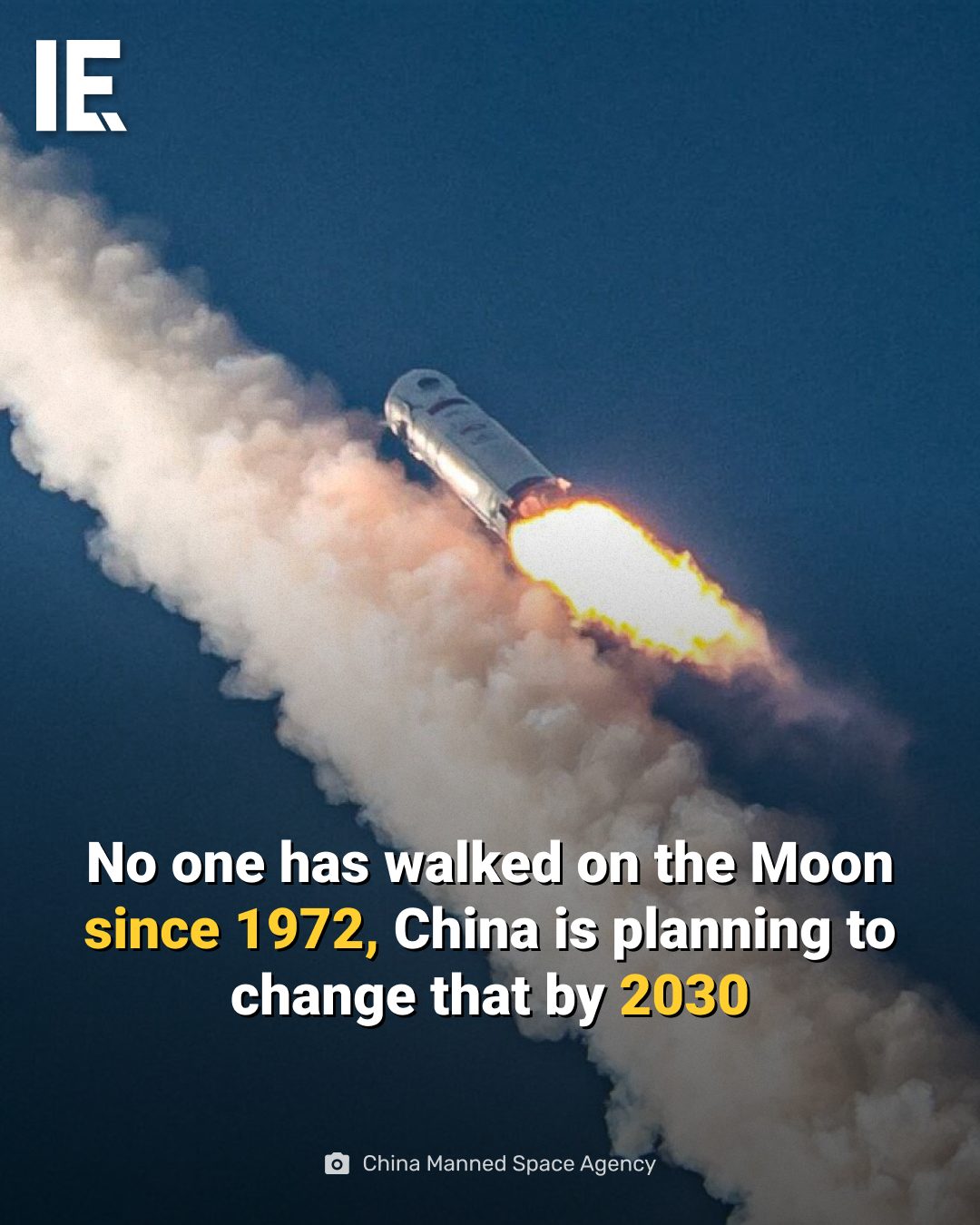
The Lunar Ambitions of China Manned Space Agency
China is on a trajectory to rewrite history. Since the last humans walked on the Moon in 1972, no other nation has achieved this feat. However, China is poised to change that, with a target date of 2030 for a crewed lunar mission. This ambitious endeavor is part of the China Manned Space Agency's broader space exploration goals.
Why This Matters
The return of humans to the Moon is significant for several reasons. It represents a major technological and scientific achievement. Moreover, it could pave the way for future missions to Mars and beyond. The Moon offers a unique environment for conducting experiments and testing technology that could support long-term space exploration.
China's Lunar Mission: A Closer Look
The Long March and Mengzhou
The Long March-10 rocket and the Mengzhou crewed spacecraft are pivotal to China's lunar mission. Both completed key flight tests in 2026, marking significant milestones. The Long March-10 rocket, known for its reliability and power, is designed to transport the crew and equipment necessary for a successful lunar landing. The Mengzhou spacecraft, on the other hand, is designed to protect and sustain the crew during their journey.
The Uncrewed Chang'e-7 Mission
Ahead of the crewed landing, the Chang'e-7 mission is set to launch later this year. This uncrewed mission will survey the lunar south pole, an area of particular interest due to its potential resources and scientific value. The data collected by Chang'e-7 will be crucial in planning the crewed mission, ensuring that all necessary precautions and preparations are in place.
The Mission Plan
The mission involves a complex plan with two rockets launching separately. One rocket will carry the lunar lander Lanyue, while the other will transport the crew. These two craft will rendezvous in lunar orbit before descending to the lunar surface. This approach allows for a more flexible and adaptable mission plan, minimizing risks and maximizing the chances of success.
The Road to 2030
China's space program has made significant strides in recent years. The China Manned Space Agency (CMSA) has been developing its technology and expertise, building a strong foundation for future missions. The 11th Space Day marked a key milestone, showcasing the progress made and the plans for the future. With each successful test and mission, China moves closer to achieving its goal of sending humans back to the Moon.
The Lunar Lander and Crew
The lunar lander, Lanyue, is designed to safely transport the crew to the lunar surface. It will also serve as a base for conducting experiments and exploring the lunar terrain. The crew will consist of highly trained astronauts, selected for their skills and expertise. They will be responsible for conducting scientific experiments, collecting samples, and gathering data that will contribute to our understanding of the Moon and its potential for future exploration.
Practical Tips for Following the Mission
Keeping up with China's lunar mission can be exhilarating. Here are some tips to stay informed and engaged:
- Follow official announcements from the China Manned Space Agency.
- Keep an eye on updates from reliable space news sources.
- Engage with online communities and forums dedicated to space exploration.
- Watch live broadcasts of key milestones and events.
Important Takeaways
China's lunar mission is a monumental achievement in space exploration. It represents a significant step forward in our understanding of the lunar environment and paves the way for future missions. The mission plan, technology, and expertise involved are a testament to China's commitment to space exploration. The success of this mission will not only make history but also inspire future generations to explore the unknown.
Conclusion
In the next decade, the world watches China make history as it prepares to send humans back to the Moon. The mission involves meticulous planning, cutting-edge technology, and a dedicated team of scientists and engineers. As we count down to 2030, the anticipation builds, and the excitement is palpable. This is a journey that will not only rewrite the history of space exploration but also pave the way for future endeavors beyond our planet.
Watch the Reel
Questions readers ask
What is China's goal for its 2030 lunar mission?
China aims to be the second country to land humans on the Moon by 2030. This mission is a key part of the China Manned Space Agency's broader space exploration strategy, which includes advancing technology and science.
Why is China focusing on a manned moon landing?
A manned moon landing would be a significant technological and scientific achievement. Furthermore, it could assist in developing technologies for future missions to Mars and beyond. The moon's unique environment provides an excellent opportunity for experiments and testing.
What are some of the technological advancements expected from China's lunar mission?
China's lunar mission is anticipated to advance various technologies, including lunar landing and ascent systems, life support systems for astronauts, and in-situ resource utilization. These advancements could support long-term space exploration efforts.
How does China's lunar mission fit into its broader space exploration plans?
China's 2030 lunar mission is a stepping stone towards even more ambitious goals, such as missions to Mars. By successfully landing humans on the Moon, China can gain valuable experience and data to support future deep space exploration endeavors.
What makes China's lunar mission significant in the context of world space exploration?
If successful, China's lunar mission would make it the second country to achieve a manned moon landing. This would demonstrate China's growing expertise in human spaceflight and solidify its position as a major player in global space exploration efforts.
What challenges might China face in its quest to land humans on the Moon by 2030?
China may encounter several challenges, such as developing reliable and safe lunar landing and ascent systems, ensuring astronaut safety, and managing the complexities of long-duration spaceflight. Additionally, the mission will require significant technological investments and international cooperation.
Related deep dives
Similar reads based on topic and creator.



Recent articles
Fresh deep dives from the latest Reels we unpacked.




Comments
Be the first to comment.