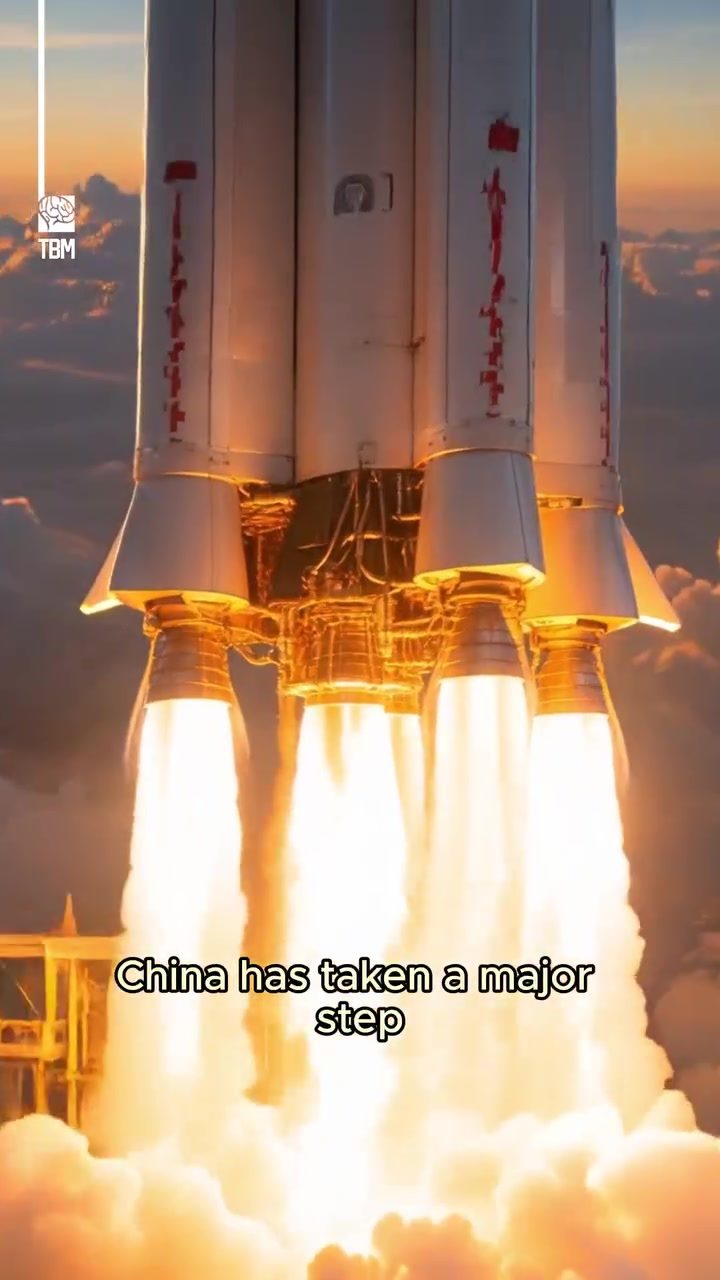
China's Historic Rocket Recovery: A Giant Leap for Reusable Spaceflight
China has made a significant stride in space exploration with the successful recovery of a rocket using a giant net at sea. This achievement marks a major breakthrough in reusable spaceflight technology, potentially lowering launch costs and paving the way for future Moon missions.
Why This Matters
The ability to recover and reuse rockets is a game-changer in the space industry. Reusable rockets reduce the cost of launch missions, making space exploration more accessible and sustainable. This advancement positions China as a key player in the global competition for reusable space launch systems, alongside established leaders like SpaceX.
The Long March 10B: A Leap Forward
The Mission
During a recent mission, the Long March 10B rocket successfully launched a satellite into orbit. Unlike previous missions, this time the first stage of the rocket did not fall into the ocean or burn up in the atmosphere. Instead, it descended back to Earth and was captured by a net mounted on a ship at sea. This innovative recovery system is a departure from the landing legs used by SpaceX's Falcon 9 rockets.
The Technology
The Long March 10B’s net-based recovery system is a unique engineering feat. After launching the satellite, the rocket's first stage separates and begins a controlled descent. The net, positioned on a ship, catches the descending booster, ensuring a safe and precise recovery. This method eliminates the need for landing legs, which can add complexity and weight to the rocket design.
China's Space Ambitions
Future Moon Missions
The Long March 10B is expected to play a crucial role in China's future crewed Moon missions. Reusable rockets will be essential for sustained exploration and potential colonization of the Moon. By recovering and reusing the rockets, China can significantly reduce the cost of these ambitious missions, making them more feasible and frequent.
Global Competition
China's success in reusable rocket technology strengthens its position in the growing global competition for space launch systems. The ability to recover and reuse rockets is becoming a standard in the industry, and China's achievement puts it in league with other major players. This breakthrough will likely spur further innovation and development in space technology, benefiting the global space community.
Practical Tips for Space Enthusiasts and Professionals
Staying Informed
For those interested in the latest developments in space technology, staying informed about China's advancements is crucial. Keeping up with the latest missions, technologies, and breakthroughs will provide a deeper understanding of the future of space exploration.
Exploring Reusable Rocket Technology
Understanding the principles behind reusable rocket technology can be both fascinating and practical. Learning about the engineering challenges and solutions involved in recovering and reusing rockets can inspire innovation in other fields and foster a deeper appreciation for space exploration.
Engaging with the Community
Engaging with space enthusiasts and professionals can provide valuable insights and perspectives. Joining forums, attending conferences, and participating in discussions can enhance your knowledge and connect you with like-minded individuals.
Important Takeaways
China’s success in recovering a rocket using a net-based system is a significant milestone in reusable spaceflight technology. This achievement has several important takeaways:
- Cost Efficiency: Reusable rockets significantly reduce launch costs, making space exploration more accessible and sustainable.
- Technological Innovation: The net-based recovery system showcases China's innovation and engineering prowess, offering a unique alternative to landing legs.
- Future Missions: The Long March 10B is poised to play a pivotal role in China's future crewed Moon missions, leveraging reusable technology for sustained exploration.
- Global Competition: China's breakthrough places it at the forefront of the global competition for reusable space launch systems, driving further innovation in the field.
Conclusion
China’s successful recovery of a rocket using a giant net at sea is a monumental achievement in the realm of space exploration. This breakthrough not only marks a significant advancement in reusable spaceflight technology but also positions China as a leader in the global competition for space launch systems. As we look to the future, the potential for reusable rockets to lower launch costs and support ambitious missions, such as those to the Moon, becomes increasingly exciting.
Watch the Reel
Questions readers ask
How does the giant net system work in recovering rockets?
The giant net system involves a large net deployed at sea to capture the descending rocket. The rocket is slowed down by parachutes and guided into the net, which stabilizes and secures it, allowing for safe recovery. This method ensures that the rocket can be reused for future missions, significantly reducing waste and operational costs.
What makes the recovery of the Long March 10B rocket a significant achievement for China?
The recovery of the Long March 10B rocket is a major milestone for China as it demonstrates the country's capability to develop and implement reusable spaceflight technology. This achievement positions China as a leader in the global space industry, alongside other nations that have successfully developed reusable rockets.
How does reusable rocket technology benefit future Moon exploration missions?
Reusable rocket technology reduces the cost of launching payloads into space, making it more feasible to send multiple missions to the Moon. Lower costs enable more frequent and ambitious Moon exploration endeavors, including the potential for establishing a sustainable human presence on the lunar surface.
What advantages does recovering rockets at sea offer over land-based recoveries?
Recovering rockets at sea allows for a larger and more flexible landing area, reducing the risk of damage to populated regions. Sea-based recoveries also eliminate the need for extensive infrastructure on land, making the process more efficient and cost-effective. Additionally, sea recoveries can be less disruptive to local communities and environments.
How does China's reusable rocket technology compare to other nations' advancements?
China's success with the Long March 10B rocket places it in a competitive position with other nations that have achieved reusable spaceflight, such as SpaceX. This technology showcases China’s innovative capabilities and potential to contribute to future global space initiatives, particularly in lowering launch costs and enhancing sustainability.
What are the potential environmental benefits of using reusable rockets?
Reusable rockets reduce the amount of debris and waste generated from space missions. By reusing rockets, the number of launches required to achieve mission goals is reduced. This decrease in launch frequency leads to lower fuel consumption and fewer emissions, contributing to a more sustainable space exploration endeavor.
What are the next steps for China in advancing its reusable spaceflight technology?
Following this success, China is likely to focus on refining and scaling its reusable rocket technology. This includes improving the durability of rockets, optimizing recovery processes, and potentially developing more advanced propulsion systems. Future missions will aim to further reduce costs and increase the reliability of reusable rockets, paving the way for more ambitious space exploration endeavors.
Related deep dives
Similar reads based on topic and creator.


Recent articles
Fresh deep dives from the latest Reels we unpacked.




Comments
Be the first to comment.