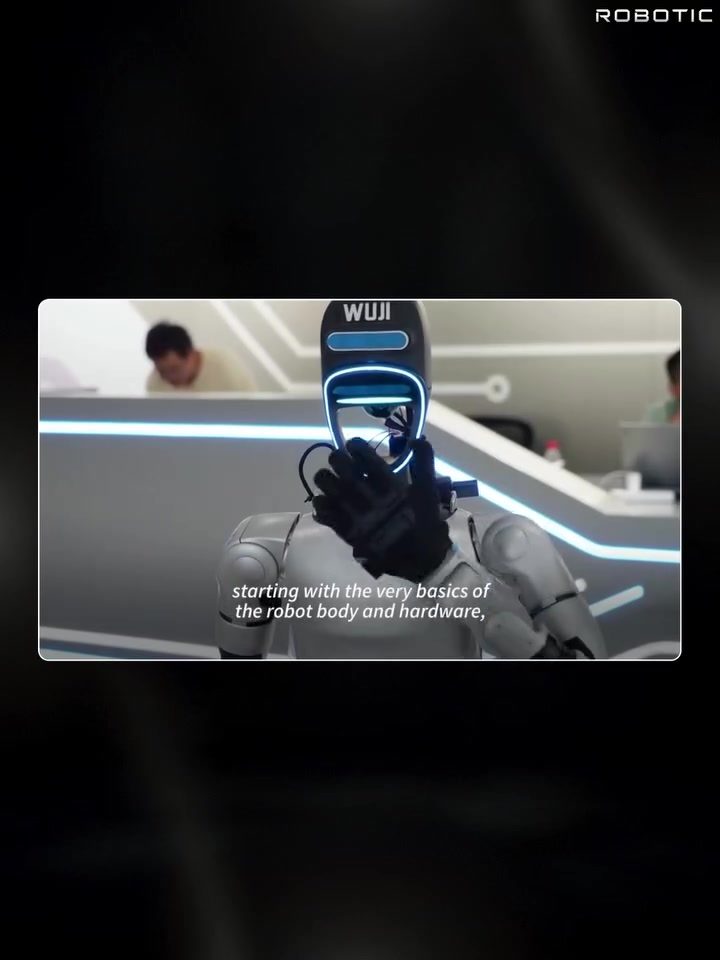
Humanoid Robot Training: The Emergence of Standardized Robotics Education in China
Context / Why this matters
The rise of humanoid robots in China is not just about advanced technology; it's about integrating these machines into everyday life and work. China's robotic revolution has led to the opening of a dedicated humanoid robot training school, a pioneering initiative that aims to prepare robots for various industries. This training program is significant as it standardizes how humanoid robots are trained, evaluated, and deployed, setting a new benchmark for the global robotics industry.
Main discussion
The WUJI Humanoid Robot Training Program
The WUJI humanoid robot training program is at the forefront of this initiative. The program begins with the basics of robot body and hardware, ensuring that each robot has a solid foundation in physical capabilities. This includes understanding the anatomy of a robot, its movement mechanics, and the essential hardware components that enable functionality.
Core Systems and Intelligence
Beyond the physical aspects, the program delves into the core systems and intelligence of the robots. This involves teaching the robots to understand and interact with their environment effectively. Learning how to navigate the physical world is crucial for robots destined for roles in manufacturing, healthcare, security, and entertainment. This segment of the training focuses on equipping the robots with the logic and decision-making skills needed to operate independently and safely.
Specialized Skill Training
One of the most intriguing aspects of the training program is the specialized skill training. Robots are taught specific skills that go beyond basic functionality. For instance, they learn how to appreciate and create art, showcasing the program's commitment to developing robots with advanced cognitive abilities. This level of training is essential for roles in entertainment and creative industries, where robots need to interact with humans in nuanced and sophisticated ways.
Equipment and Different Plans
The program also focuses on various equipment and factory settings, ensuring that the robots are well-versed in different environments. This includes understanding different types of machinery, factory layouts, and operational procedures. The program creates different plans to cater to the diverse needs of industries, making the robots adaptable to various work settings.
Fun and Innovation
While the training is rigorous and structured, the program also includes fun and innovative elements. This balance ensures that the robots are not just efficient but also engaging and enjoyable to interact with. By incorporating elements like creative problem-solving and artistic expression, the program fosters a well-rounded development of the robots.
Real-World Understanding
One of the key goals of the WUJI training program is to equip robots with a real-world understanding. This involves teaching them the underlying logic needed to comprehend and navigate the complexities of the human world. By doing so, the program aims to create robots that can seamlessly integrate into human society, contributing effectively to various industries and improving overall efficiency and quality of life.
Practical tips
For those interested in robotics education and the future of humanoid robots, here are some practical tips to consider:
1. Start with the Basics
Just like in the WUJI program, it's essential to build a strong foundation in robot body and hardware. Understanding the physical components and their functionalities is crucial before moving on to more complex systems.
2. Focus on Core Systems and Intelligence
Once the basics are mastered, delve into the core systems and intelligence of robots. This includes programming, artificial intelligence, and machine learning, which are essential for developing robots that can think and act independently.
3. Embrace Specialized Skill Training
Encourage robots to learn specialized skills that go beyond basic functionality. This could include creative skills like art appreciation and creation, as well as industry-specific skills that cater to roles in manufacturing, healthcare, security, and entertainment.
4. Understand Different Equipment and Environments
Ensure that robots are well-versed in different types of equipment and work environments. This involves understanding various machinery, factory layouts, and operational procedures, making robots adaptable to diverse work settings.
5. Incorporate Fun and Innovation
While training is important, incorporating fun and innovative elements can make the learning process more enjoyable and engaging. This fosters a well-rounded development of the robots, ensuring they are not just efficient but also enjoyable to interact with.
6. Prepare for Real-World Integration
Ultimately, the goal is to create robots that can seamlessly integrate into human society. Focus on equipping them with a real-world understanding, including the logic and decision-making skills needed to navigate the complexities of the human world.
Important takeaways
Robotic education is evolving rapidly, especially in China. The WUJI humanoid robot training program stands as a testament to this evolution. Here are the key takeaways from the program:
- Holistic Approach: The program takes a holistic approach, starting with the basics and moving on to more complex systems and specialized skills.
- Real-World Integration: The focus on real-world understanding ensures that robots are prepared to integrate seamlessly into human society.
- Adaptability: By training robots to understand different equipment and environments, the program ensures adaptability across various industries.
- Innovative Elements: Incorporating fun and innovative elements makes the training process more engaging and enjoyable, fostering well-rounded development.
Conclusion
The WUJI humanoid robot training program represents a significant step forward in robotics education. By standardizing the training, evaluation, and deployment of humanoid robots, China is setting a new benchmark for the global robotics industry. As humanoid technology continues to advance, training centers like this could become essential in preparing machines for real-world jobs, contributing to overall efficiency and quality of life.
Watch the Reel
Questions readers ask
What is the primary goal of the WUJI humanoid robot training program in China?
The primary goal of the WUJI program is to equip humanoid robots with the necessary skills and capabilities to perform real-world roles effectively. This includes enhancing their physical abilities, environmental awareness, and specialized skills tailored to various industries.
Which industries can benefit from the robots trained at the WUJI school?
The WUJI training program prepares robots for a wide range of industries. These can include sectors like manufacturing, healthcare, and even creative fields, where robots can assist in tasks such as creating art.
What kind of skills can humanoid robots develop at the WUJI school?
Robots at the WUJI school develop a variety of skills that include physical capabilities, environmental awareness, and specialized tasks. For instance, they can learn to navigate complex environments, interact with humans, and even create art, making them versatile for different applications.
Why is the WUJI program important for China's robotics industry?
The WUJI program is significant because it standardizes the training, evaluation, and deployment of humanoid robots. This standardization sets a new benchmark for the global robotics industry, ensuring that robots are consistently prepared to meet the demands of modern society.
How does the WUJI program contribute to the integration of robots in everyday life?
By training robots to possess advanced physical capabilities and specialized skills, the WUJI program facilitates the integration of robots into everyday life and work. This includes tasks that require human-like interaction and creativity, making robots more useful in various real-world settings.
Related deep dives
Similar reads based on topic and creator.



Recent articles
Fresh deep dives from the latest Reels we unpacked.




Comments
Be the first to comment.