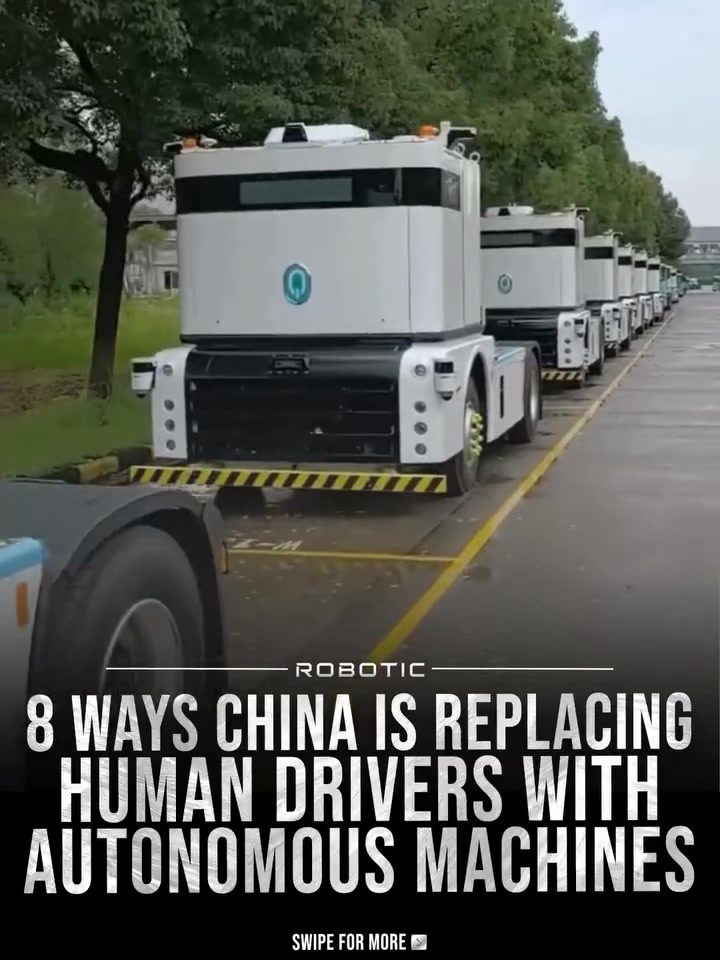
Autonomous Trucks in China
The landscape of transportation in China is rapidly evolving, with autonomous trucks playing a pivotal role in this transformation. China is at the forefront of integrating autonomous technology into its infrastructure, aiming to replace human drivers across various sectors. The country is not only leveraging autonomous trucks but also deploying a wide array of driverless technologies, including robotaxis, automated ports, and even autonomous air taxis.
Why This Matters
The shift toward autonomous transportation is more than just a technological advancement; it represents a fundamental change in how China manages its logistics and transportation systems. As the population grows and urbanization increases, the need for efficient and reliable transportation solutions becomes more pressing. Autonomous trucks offer a solution that promises to reduce traffic congestion, lower carbon emissions, and improve safety on the roads. By understanding the implications and benefits of this technology, one can gain a clearer picture of the future of transportation.
Main Discussion
The Rise of Autonomous Trucks
Autonomous trucks are designed to operate without human drivers, utilizing advanced sensors, cameras, and AI algorithms. These vehicles can navigate roads, manage traffic, and even handle emergency situations with minimal human intervention. In China, these trucks are already a common sight on highways, transporting goods efficiently and safely.
One of the primary benefits of autonomous trucks is their ability to operate continuously without breaks, unlike human drivers who require rest periods. This ensures a steady flow of goods, reducing delivery times and increasing overall efficiency. Additionally, autonomous trucks can navigate through complex traffic conditions more predictably, reducing the risk of accidents caused by human error.
Autonomous Technology Across China
China's adoption of autonomous technology extends far beyond just trucks. The country is implementing driverless solutions in various sectors, including public transportation, logistics, and even air travel. This comprehensive approach ensures that the benefits of autonomous technology are realized across multiple industries.
Automated Ports and Logistics
Automated ports are another key area where China is leveraging autonomous technology. These ports use driverless cranes, automated guided vehicles (AGVs), and robotic systems to handle cargo efficiently. The use of autonomous machines in ports reduces the need for human labor, speeds up the loading and unloading process, and minimizes the risk of errors and accidents.
Robotaxis and Delivery Robots
In urban areas, robotaxis and delivery robots are becoming increasingly common. These vehicles operate on pre-mapped routes, ensuring timely and reliable service. Robotaxis can transport passengers to their destinations, while delivery robots deliver goods directly to the customer's doorstep. These services not only improve convenience but also reduce the demand for traditional taxi services and delivery personnel.
Autonomous Solutions in the Sky
China is also exploring the use of autonomous air taxis, which can transport people and goods over shorter distances. These aerial vehicles use advanced navigation systems and AI algorithms to ensure safe and efficient travel. Autonomous air taxis offer a unique solution for urban congestion, providing an alternative to traditional ground transportation.
Practical Tips
For those interested in the autonomous technology sector, understanding the practical applications and benefits is crucial. Here are some tips for staying informed and involved:
- Stay Updated with Technology Trends: Keep an eye on the latest developments in autonomous technology. Follow industry news and research publications to stay informed about new advancements and potential applications.
- Explore Career Opportunities: With the growing demand for autonomous technology, there are numerous job opportunities in robotics, AI, and logistics. Consider exploring careers in these fields to be part of this exciting transformation.
- Engage with Industry Experts: Join online forums, attend industry conferences, and network with professionals in the autonomous technology sector. This will provide valuable insights and help you stay connected with the latest trends and innovations.
- Experiment with Autonomous Solutions: If you have access to autonomous technology, experiment with it to understand its capabilities and limitations. This hands-on experience can provide a deeper understanding of how these technologies work and their potential applications.
Important Takeaways
The integration of autonomous technology in China is transforming the country's transportation and logistics sectors. Autonomous trucks, automated ports, robotaxis, delivery robots, and air taxis are just a few examples of the innovative solutions being implemented. These technologies offer numerous benefits, including increased efficiency, reduced human error, and improved safety. As China continues to expand the use of autonomous vehicles, it is important to stay informed and engaged with the latest developments in this rapidly evolving field.
Conclusion
Autonomous trucks and other driverless technologies are reshaping China's transportation landscape. From efficient freight movement to advanced public transportation, these innovations are transforming how people and goods are moved. By understanding the implications and benefits of autonomous technology, one can appreciate the significant impact it has on daily life and the economy. As China continues to lead the way in this technological revolution, the future of autonomous transportation looks brighter than ever.
Watch the Reel
Questions readers ask
How widespread is the use of autonomous trucks in China?
Autonomous trucks are becoming increasingly common in China, with the country actively integrating this technology into its infrastructure. They are being used extensively to manage logistics and transform transportation systems across various sectors.
What other types of driverless technologies is China investing in besides autonomous trucks?
China is not only focusing on autonomous trucks but also investing in a wide range of driverless technologies. These include robotaxis for urban transportation, automated ports to streamline cargo handling, and even autonomous air taxis for future air travel.
What are the primary benefits of autonomous trucks in China?
Autonomous trucks in China offer several benefits, including easing traffic congestion, lowering emissions by optimizing routes and reducing idle time, and significantly enhancing road safety by minimizing human error.
How does China plan to integrate autonomous trucks into its logistics systems?
China is integrating autonomous trucks into its logistics systems by deploying them in various sectors to improve efficiency and reliability. This includes using self-driving trucks for long-haul transportation, warehouse operations, and even last-mile deliveries.
What impact will autonomous trucks have on employment in the transportation sector in China?
The shift towards autonomous trucks in China will likely lead to a reduction in jobs traditionally held by human drivers. However, it may also create new opportunities in areas such as vehicle maintenance, software development, and fleet management.
What are automated ports and how do they contribute to China's autonomous transportation goals?
Automated ports in China use autonomous technologies to handle cargo without human intervention, enhancing efficiency and reducing operational costs. This contributes to the overall goal of making China's transportation systems more streamlined and independent of human drivers.
What is the significance of China's investment in autonomous vehicle technology in relation to urbanization and logistics?
China's investment in autonomous vehicle technology is crucial in managing the challenges posed by rapid urbanization. By improving logistics and transportation systems, autonomous vehicles help mitigate traffic congestion, reduce emissions, and ensure reliable transportation as the population grows.
Related deep dives
Similar reads based on topic and creator.



Recent articles
Fresh deep dives from the latest Reels we unpacked.




Comments
Be the first to comment.