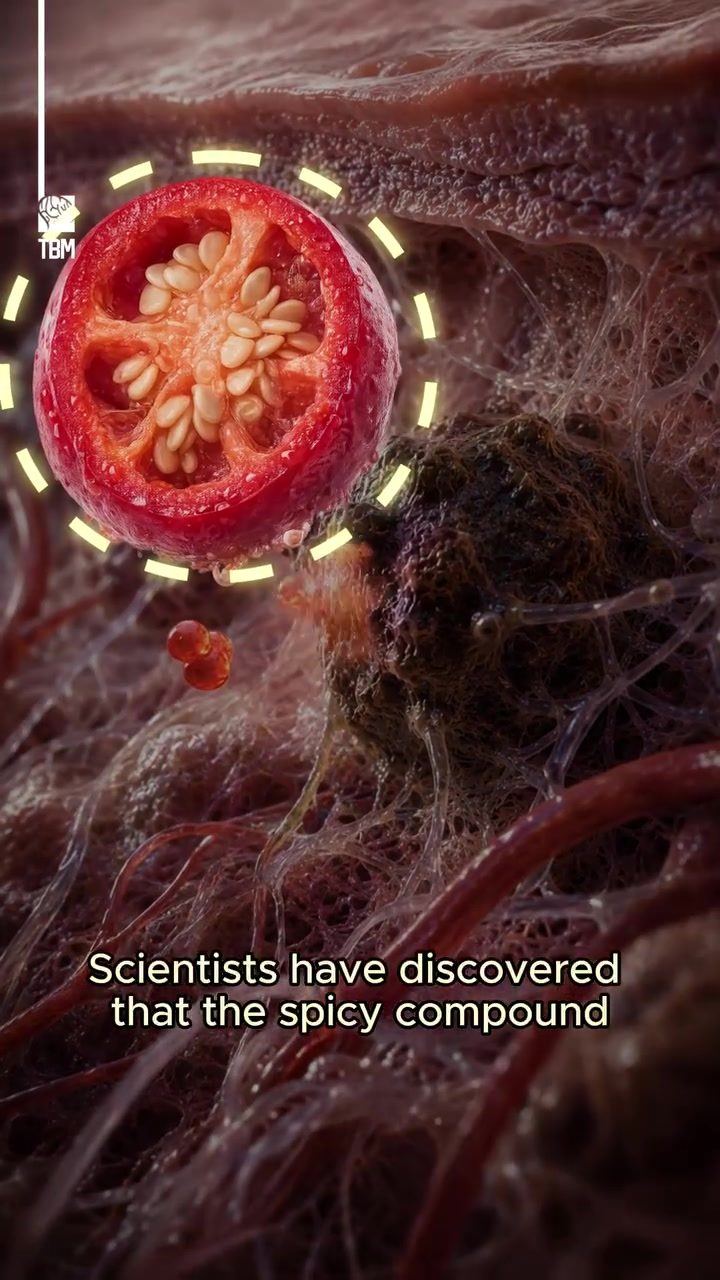
Chili Peppers and Skin Cancer: The Power of Capsaicin
Chili peppers have long been celebrated for their ability to add a fiery kick to dishes, but recent scientific discoveries suggest that these humble vegetables may hold a powerful secret with implications for skin cancer treatment. Researchers have found that capsaicin, the compound responsible for the heat in chili peppers, can induce a natural process called apoptosis, or programmed cell death, in melanoma skin cancer cells.
Context: Why This Matters
Skin cancer remains one of the most prevalent forms of cancer worldwide. Melanoma, in particular, is a significant concern due to its aggressive nature and potential to spread to other parts of the body. The discovery that a common, naturally occurring compound like capsaicin could play a role in combating this disease opens up new avenues for research and potential treatments.
Understanding Capsaicin and Apoptosis
The Science Behind Capsaicin
Capsaicin is the active component that gives chili peppers their characteristic heat. It is found in varying concentrations in different types of chili peppers, with concentrations ranging from 0.1% to 1% in the peppers' placenta and seeds. This compound is known for its ability to bind to a receptor called TRPV1, which is involved in the sensation of pain and heat.
Apoptosis: The Natural Cell Death Process
Apoptosis is a tightly regulated process in which cells undergo programmed cell death. This mechanism is essential for maintaining the body's equilibrium, as it eliminates damaged, infected, or unwanted cells. In the context of cancer, inducing apoptosis in cancerous cells can help prevent the uncontrolled proliferation that characterizes malignant tumors.
The Discovery and Its Implications
Laboratory Findings
Researchers at Jinning First People's Hospital in China discovered that capsaicin can trigger apoptosis in melanoma cells, effectively causing them to self-destruct. This process is particularly significant because it appears to cause much less harm to healthy skin cells, suggesting a potential for targeted therapy.
Inhibiting Cancer Cell Spread
The research also revealed that capsaicin can slow the ability of melanoma cells to metastasize, or spread to other parts of the body. This finding is crucial because the spread of cancer is often what makes it so difficult to treat and leads to poorer outcomes.
Practical Tips for Incorporating Capsaicin into Your Diet
While the current research is promising, it's important to note that these findings are based on laboratory studies and early research. However, incorporating chili peppers into your diet can have other health benefits, including improved metabolism, pain relief, and even weight management. Here are a few tips:
Start Small
If you're new to spicy food, start with small amounts of chili peppers in your meals. This will allow your body to build tolerance gradually. Bell peppers, which are mild and sweet, are an excellent starting point.
Experiment with Different Types
Different types of chili peppers offer varying levels of heat and flavor. Experiment with jalapeños, serranos, habaneros, and other varieties to find what you enjoy.
Pair with Other Ingredients
Chili peppers pair well with a variety of ingredients, from vegetables to proteins. Try adding them to your favorite soups, stews, or stir-fries.
Important Takeaways
The Power of Natural Compounds
The discovery that capsaicin can induce apoptosis in melanoma cells highlights the potential of natural compounds in cancer treatment. While more research is needed, this finding offers a promising direction for future therapies.
Early Research and Clinical Trials
It’s important to understand that while capsaicin shows promise in laboratory settings, more clinical trials are necessary before it can be recommended as a human therapy. Early research lays the groundwork but must be followed by rigorous testing to ensure safety and efficacy.
Potential for Future Treatments
The ability to target cancer cells specifically, while leaving healthy cells relatively unharmed, is a goal of many cancer treatments. If capsaicin can achieve this, it could lead to more effective and less invasive therapies.
Balanced Diet
Incorporating a variety of colorful vegetables and spices, including chili peppers, into your diet can have numerous health benefits. While capsaicin shows promise for specific medical applications, a balanced diet is always a good foundation for overall health.
Conclusion
The discovery that capsaicin, the active compound in chili peppers, can induce apoptosis in melanoma cells opens an exciting new avenue for cancer research. While the findings are in the early stages and require further clinical trials, they offer hope for more targeted and effective treatments. In the meantime, incorporating chili peppers into your diet can provide various health benefits and add a delightful kick to your meals. As research continues, the potential for natural compounds like capsaicin to play a significant role in cancer treatment becomes increasingly promising.
Watch the Reel
Questions readers ask
What is capsaicin and how does it relate to chili peppers?
Capsaicin is the active compound found in chili peppers that gives them their characteristic heat. It is responsible for the spicy sensation when consuming peppers. Beyond its culinary use, recent research has shown that capsaicin may have significant health benefits, particularly in relation to skin cancer.
How does capsaicin affect melanoma skin cancer cells?
Capsaicin has been shown to induce apoptosis, a natural process of programmed cell death, in melanoma skin cancer cells. This means it can potentially target and eliminate these cancerous cells, making it a promising avenue for new treatments.
What makes melanoma such a significant concern in skin cancer?
Melanoma is one of the most aggressive forms of skin cancer. It has a high potential to spread to other parts of the body, making early detection and effective treatment crucial. Traditional treatments may have limitations, so finding new approaches like capsaicin is important.
Are there other potential benefits of capsaicin beyond skin cancer?
While the focus of recent research is on capsaicin's potential in combating skin cancer, some studies suggest it may have other health benefits. These include pain relief, anti-inflammatory properties, and potential benefits for metabolic health.
How does capsaicin compare to traditional skin cancer treatments?
Traditional skin cancer treatments often involve surgery, chemotherapy, or radiation, which can have significant side effects. Capsaicin, being a natural compound, offers a potentially less invasive and more targeted approach, although more research is needed to fully understand its efficacy and safety.
Can incorporating chili peppers into my diet help prevent skin cancer?
While consuming chili peppers can be part of a healthy diet and may provide some health benefits, it is not a guaranteed method for preventing skin cancer. The research on capsaicin's benefits is still in the early stages, and more studies are needed to determine its preventive potential.
What are the next steps in researching capsaicin for skin cancer treatment?
The next steps involve conducting more extensive clinical trials to confirm the effectiveness of capsaicin in treating skin cancer. Researchers will also need to determine the optimal dosage and delivery methods, as well as potential side effects and long-term impacts.
Related deep dives
Similar reads based on topic and creator.




Recent articles
Fresh deep dives from the latest Reels we unpacked.




Comments
Be the first to comment.