Little Free Libraries: Promoting Literacy and Community Engagement
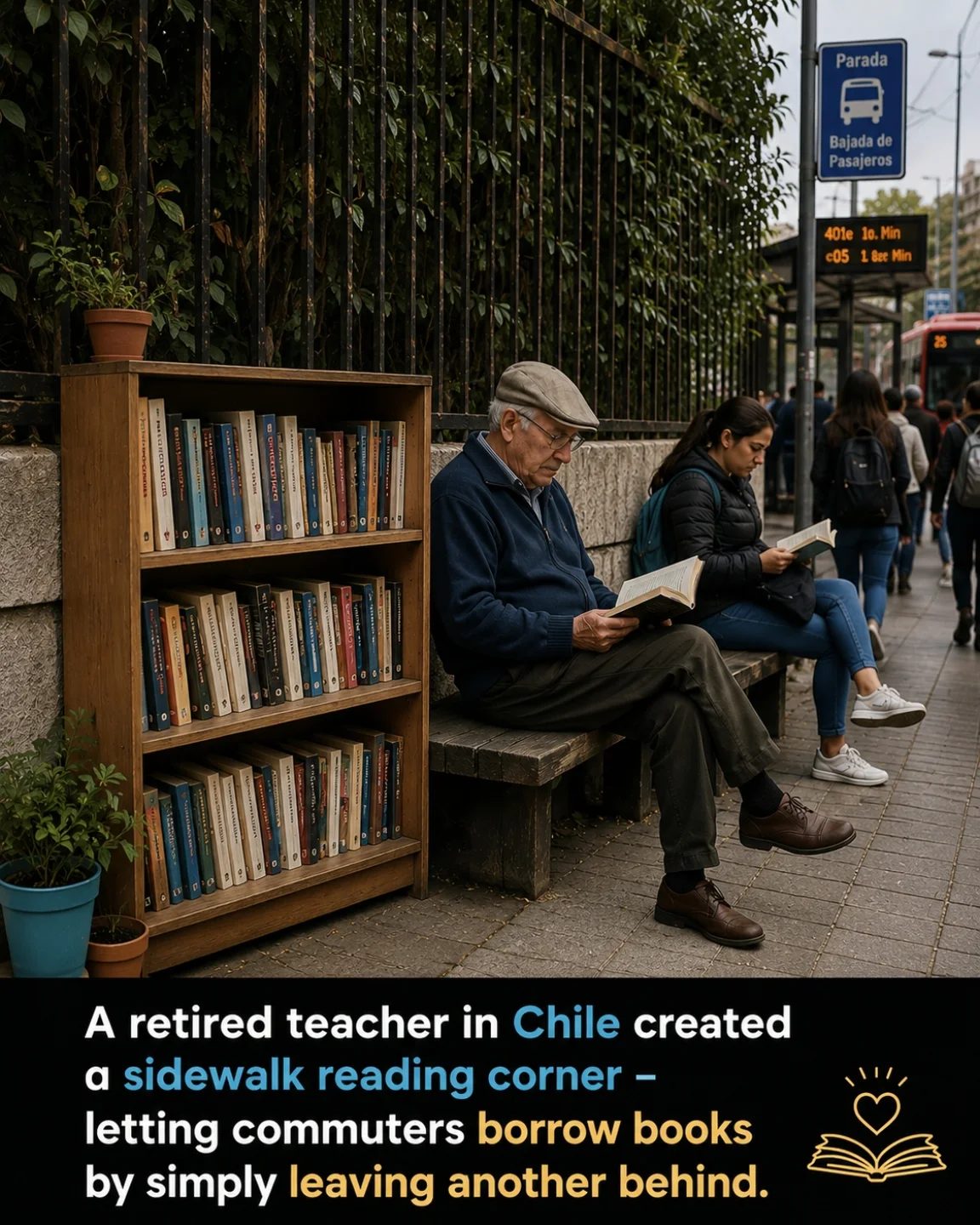
The concept of a Little Free Library is simple yet powerful: a small, often homemade bookshelf placed in a public space, allowing anyone to take a book and leave another in its place. This community initiative has gained popularity worldwide, with variations popping up in parks, neighborhoods, and even bus stops. One such example is a Little Free Library created by a retired teacher in Chile, providing commuters with an opportunity to borrow books while waiting for their bus.
Context / Why this matters
Little Free Libraries play a crucial role in promoting literacy and community engagement. They make books accessible to everyone, regardless of their economic status or access to traditional libraries. By encouraging the exchange of books, these libraries foster a sense of community and shared interest in reading. This initiative is particularly valuable in areas where public libraries may be scarce or underfunded.
Moreover, Little Free Libraries can be a vital resource for people during their daily commutes. They offer a moment of escape and enlightenment, turning idle time into an opportunity for learning and enjoyment. This is especially true in urban settings where people often spend a significant portion of their day traveling.
Main discussion
The History and Impact of Little Free Libraries
The Little Free Library movement was started by Todd Bol in 2009 as a tribute to his mother, a former schoolteacher who loved to read. He built a small wooden box, filled it with books, and placed it on a post in his front yard with a sign inviting passersby to take a book and leave another. The idea quickly caught on, and today, there are tens of thousands of Little Free Libraries worldwide.
The impact of these libraries extends beyond providing free books. They create a sense of community by encouraging interaction among neighbors. People often leave notes in the books they donate, sharing personal stories and recommendations. This exchange fosters a deeper connection within the community, transforming strangers into friends through shared love for reading.
Building and Maintaining a Little Free Library
Building a Little Free Library can be a fun and rewarding project. The design can vary widely, from simple wooden boxes to elaborate structures resembling mini houses. The key is to ensure that the library is weatherproof and secure. Here are some tips for building and maintaining a Little Free Library:
-
Choose a Location: Select a spot that is easily accessible and visible to the community. Bus stops, parks, and community centers are ideal locations.
-
Design and Build: Use durable materials to build the library. Ensure it has a roof to protect the books from rain and a locking mechanism to secure them.
-
Stock the Library: Fill the library with a variety of books to cater to different age groups and interests. You can start with your own books or ask friends and family for donations.
-
Promote the Library: Spread the word about your Little Free Library through social media, community bulletin boards, and local newspapers. Encourage people to visit and share their experiences.
-
Maintain the Library: Regularly check on the library to ensure it is in good condition. Replace any damaged books and keep the area clean.
Practical tips
Creating a Successful Little Free Library
-
Keep It Visible: Place your Little Free Library in a high-traffic area where it can be easily seen. Use signage to attract attention and explain the concept.
-
Variety is Key: Ensure that your library offers a variety of books to cater to different readers. Include fiction, non-fiction, children's books, and more.
-
Encourage Interaction: Create a sense of community by encouraging users to leave notes or recommendations with their book donations. This makes the experience more personal and engaging.
-
Regular Maintenance: Regularly check the books to ensure they are in good condition. Remove any damaged or outdated books and replace them with new ones.
Important takeaways
Little Free Libraries are more than just a place to get free books. They are a symbol of community engagement and a commitment to promoting literacy. By providing access to books in public spaces, they make reading accessible to everyone, fostering a love for literature and encouraging social interaction.
For those considering starting a Little Free Library, remember that the key to success lies in visibility, variety, and community engagement. With a little effort and dedication, you can create a vibrant hub of knowledge and connection in your neighborhood.
Conclusion
Little Free Libraries are a simple yet effective way to promote literacy and community engagement. They provide a platform for sharing knowledge and fostering connections among neighbors. Whether you're a book lover or simply looking for a way to give back to your community, starting a Little Free Library can be a rewarding experience. So, why not build one in your neighborhood and watch as it brings people together, one book at a time?
Watch the Reel
Questions readers ask
What inspired a retired teacher in Chile to create a Little Free Library at a bus stop?
The retired teacher was motivated by a desire to share the joy of reading and to bring a unique community space to commuters. By providing a Little Free Library, the teacher aimed to foster a sense of community and promote literacy among those waiting for their bus.
How does a Little Free Library work?
A Little Free Library operates on a simple 'take a book, leave a book' system. Commuters or passersby can take any book they like from the shelf, and in exchange, they are encouraged to leave a book they no longer need. This exchange keeps the library stocked with a variety of reading materials.
What are the benefits of having a Little Free Library at a bus stop?
A Little Free Library at a bus stop offers commuters a convenient way to access books during their wait. It also provides an opportunity to engage with the community and promotes a culture of sharing and reading. This initiative can make bus stops more inviting and reduce stress during commutes.
Can anyone contribute books to a Little Free Library?
Yes, anyone can contribute to a Little Free Library. The idea is to share books that you no longer need or want. By adding books to the library, you help keep it stocked with a diverse range of reading materials for others to enjoy.
How can I find a Little Free Library near me?
To find a Little Free Library near you, you can use the online map provided by the official Little Free Library organization. This map shows the locations of registered Little Free Libraries worldwide. You can also search locally for any unofficial Little Free Libraries in your neighborhood.
Are there any rules for using a Little Free Library?
The primary rule is to take a book and leave a book. Besides this, there are no strict rules. Commuters can choose any book they like and are encouraged to leave a book in good condition in exchange. Some libraries may have additional guidelines, such as not leaving inappropriate or damaged books.
How can I start my own Little Free Library?
Starting your own Little Free Library involves a few simple steps. First, build or purchase a weatherproof box or shelf to hold the books. Next, place it in a public space with high foot traffic, such as a park, neighborhood, or bus stop. Finally, fill it with a variety of books and share the news with your community to encourage participation.
Related deep dives
Similar reads based on topic and creator.




Recent articles
Fresh deep dives from the latest Reels we unpacked.




Comments
Be the first to comment.