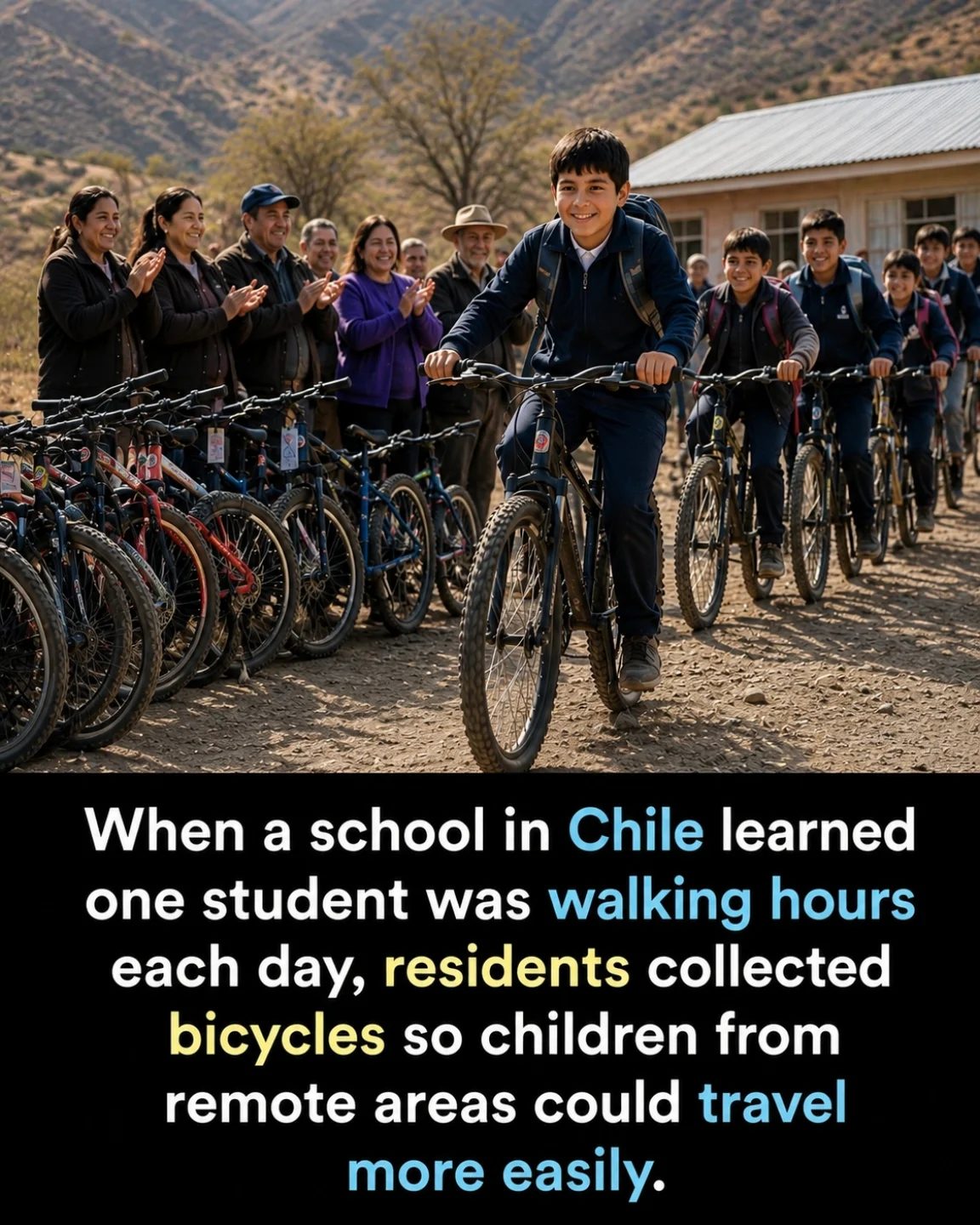
Community Bicycle Donation in Chile Improves Access to Education
The initiative to donate bicycles in Chile highlights a collaborative community effort in rural areas. This humanitarian effort aims to alleviate the difficulties children face when traveling long distances to school. By providing bicycles, the initiative seeks to make commuting more efficient, comfortable, and safe.
Why This Matters
In rural communities, education is the foundation upon which future generations build their lives. However, the challenges of daily travel to school can significantly impact a child's ability to attend classes regularly. By addressing this issue, the community's bicycle donation effort can ensure that children have reliable and efficient transportation, thereby improving their access to education.
The Initiative in Detail
The Challenge
Rural areas in Chile, like many other parts of the world, face unique challenges when it comes to education. One striking example is the story of a school in Chile where a student was found to be walking for hours every day to reach the school. The sheer distance and time required for this journey are overwhelming and can hinder a child's ability to focus on their studies. The physical strain of such a journey can also take a toll on a child's health, making it difficult for them to attend school regularly and perform well in their studies.
The Solution
In response to the need, local residents came together to collect bicycles. This grassroots initiative was sparked by a simple realization that providing bicycles could transform the lives of children from remote areas. The idea was to help children travel to and from school more easily, reducing the time and effort required and making the journey safer and more convenient.
The Impact
The impact of this initiative is multifaceted. By providing bicycles, the community not only helps children get to school more easily but also empowers them to focus on their education without the burden of a long, arduous journey. The initiative also fosters a sense of community and collective responsibility, demonstrating that when a community comes together, significant problems can be solved.
Practical Tips for Initiating a Similar Effort
If you are inspired by this initiative and wish to start a similar effort in your community, here are some practical tips to guide you:
Identify the Need
First, identify the specific needs of your community. Conduct a needs assessment to understand the challenges faced by children in traveling to school. This could involve surveys, interviews, or discussions with local educators and parents.
Build a Team
Form a team of dedicated volunteers who share your vision. Community efforts are strengthened by collective determination and diverse skills. Ensure your team includes individuals who can help with logistics, outreach, and coordination.
Collect Resources
Start a campaign to collect bicycles. This could be done through local partnerships, community drives, or online fundraising. Engage with local businesses, schools, and community organizations to support your cause. Ensure the bicycles are in good working condition and suitable for the children's needs.
Implement and Monitor
Once the bicycles are collected, distribute them to the children in need. Follow up with the beneficiaries to ensure they are using the bicycles safely and effectively. Monitor the impact of the initiative to assess its success and make necessary adjustments.
Important Takeaways
Community Engagement
The success of this initiative underscores the importance of community engagement. When a community comes together, even the most challenging problems can be addressed effectively. This highlights the power of collective action and the value of community involvement in improving access to education.
Sustainability
Sustainability is a key factor in such initiatives. Ensure that the bicycles are well-maintained and that there is a mechanism in place to replace or repair them as needed. This will ensure the long-term benefits of the initiative.
Empowerment
Providing bicycles does more than just ease transportation; it empowers children to take control of their education. The initiative shows that even small interventions can have a significant impact on a child's ability to access and benefit from education.
Inspiration for Others
This initiative can inspire similar efforts in other communities. It serves as a model for how grassroots efforts can address critical issues and create lasting changes.
Conclusion
The bicycle donation initiative in Chile is a testament to the power of community action. By addressing a fundamental challenge faced by children in rural areas, the initiative has made a tangible difference in their lives. It shows that with a little effort and community spirit, significant improvements can be made in access to education. Whether you are a resident, educator, or community leader, consider how you can support similar initiatives to create positive change in your community.
Watch the Reel
Questions readers ask
Who organizes the bicycle donation initiative in rural Chile?
The bicycle donation initiative in rural Chile is organized by the local community. This collaborative effort involves community members coming together to collect and donate bicycles to children in need, ensuring a community-led approach to improving school commutes.
How does the bicycle donation initiative improve school attendance?
By providing bicycles to children in rural areas, the initiative significantly reduces the time and effort required for daily school commutes. This makes it easier for children to attend classes regularly, leading to improved attendance and consistency in their learning routine.
What safety measures are in place for the bicycle donation program?
The initiative focuses on providing well-maintained bicycles and often includes safety checks and repairs. Additionally, community members may offer basic cycling training to ensure children can ride safely, thus promoting a safer commute to and from school.
How are the bicycles donated to the children in rural Chile?
Bicycles are donated through a community-driven process where locals collect and donate their used or new bicycles. These bicycles are then distributed to children in need, often with the help of local organizations or schools that identify families requiring transportation assistance.
What impact does the bicycle donation program have on the local community?
The program fosters a greater sense of community and support. By addressing a pressing need, it brings neighbors and families together, reinforcing social bonds and creating a collective effort to enhance the well-being and opportunities for the children in the community.
What are the benefits of using bicycles for school commutes in rural areas?
Bicycles offer a reliable and efficient means of transportation, making school commutes faster and more manageable. They also promote physical activity and independence, which can have a positive impact on a child's overall development and well-being.
How can people support the bicycle donation initiative in Chile?
People can support the initiative by donating bicycles, either new or gently used, and by volunteering their time to help with the collection, repair, and distribution of bicycles. Additionally, financial contributions can be made to cover the costs of repairs and maintenance, ensuring the bicycles remain safe and functional.
Related deep dives
Similar reads based on topic and creator.




Recent articles
Fresh deep dives from the latest Reels we unpacked.




Comments
Be the first to comment.