Chores and Success
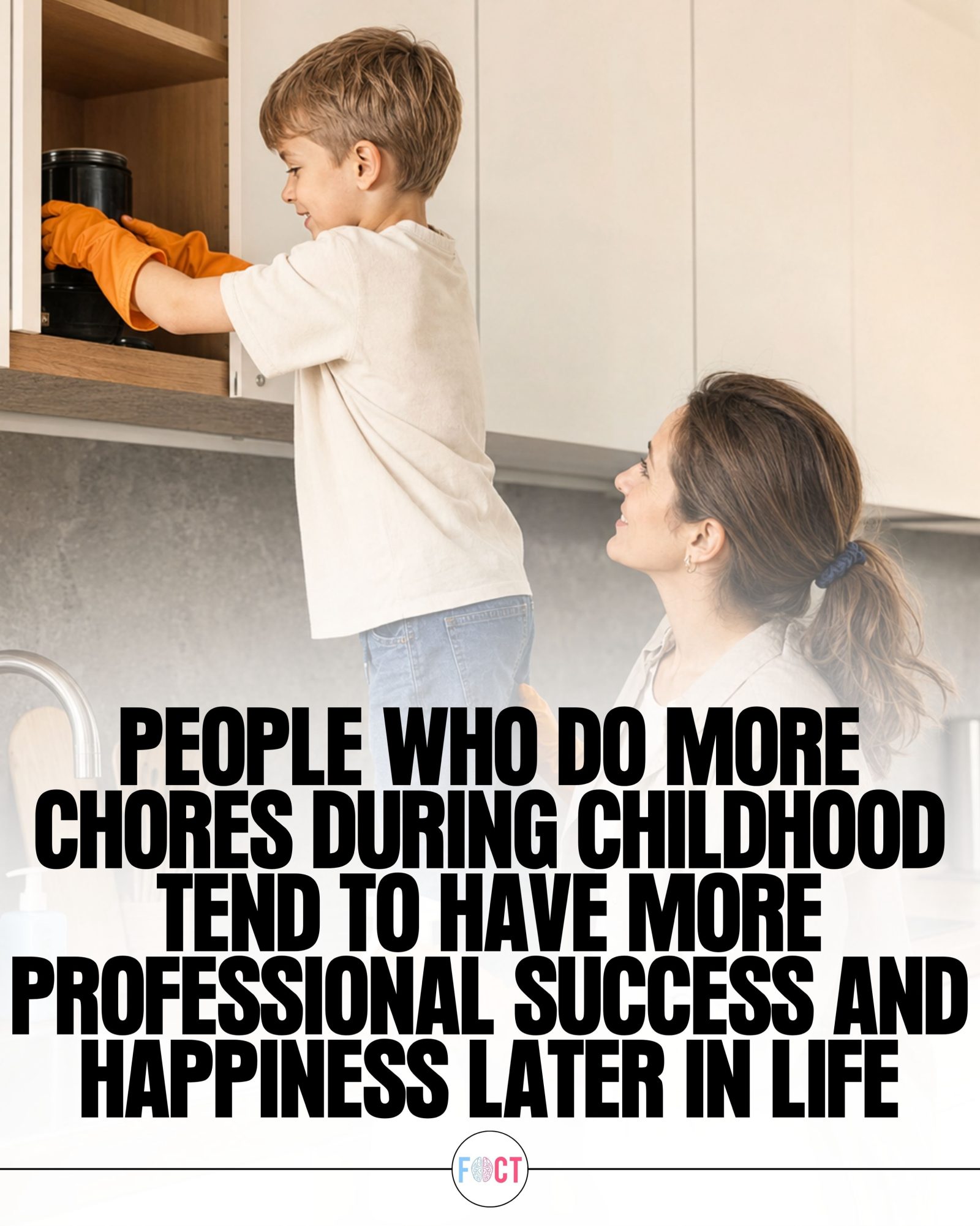
Children doing household chores isn't just about keeping a clean home; it may also be a key factor in setting them up for a successful and happy life. However, the benefits of chores go beyond tidy rooms and neat kitchens. Chores can foster a sense of community, teach children about concern for others, and help them stay on good developmental paths. They can also improve the health and well-being of children as they grow into adulthood.
Why this matters
The idea that chores lead to happier and more successful lives is backed by a study that has tracked a group of people since the late 1930s. This research, conducted by Dr. Robert Waldinger, a professor of psychiatry at Harvard Medical School, and his colleagues, has followed one-third Harvard graduates and two-thirds inner-city youths from Boston. The study aimed to understand which psychosocial aspects of childhood can predict health and well-being in late life.
Long-term benefits of chores
Doing chores during childhood may correlate with professional success and happiness later in life. Researchers found that children who did chores had a stronger sense of community and felt that their participation was important. Chores help children to develop a focus beyond themselves and teach them to be less self-centered. These qualities are essential for forming healthy relationships and achieving professional success.
Chores foster a sense of community
When children help with household tasks, they become part of the family team. This involvement cultivates a sense of community and belonging. Children feel that their contributions matter, which boosts their self-esteem and sense of purpose. These feelings continue into adulthood, contributing to a longer, more fulfilling life.
Chores teach concern for others
Chores encourage children to be concerned for others and focus beyond themselves. This principle is crucial for healthy development. Children who learn to consider others' needs and contribute to the family's well-being are more likely to be happier and more successful in their personal and professional lives.
Chores help children feel useful
Children love to feel useful and needed. Chores provide an outlet for this natural desire. By helping with tasks around the house, children develop a sense of purpose and accomplishment. This sense of purpose is a critical factor in maintaining well-being throughout life, even into retirement.
Chores strengthen familial bonds
In addition to the personal benefits, chores also strengthen familial bonds. When children help with household tasks, they spend more quality time with their families. These shared experiences foster stronger relationships, which are essential for emotional well-being and happiness.
Practical tips for incorporating chores into children's routines
There are several practical tips for incorporating chores into children's routines. These tips can help ensure that children reap the long-term benefits of doing chores.
Start early
Introduce children to chores at an early age. Even young children can help with simple tasks like picking up toys or setting the table. As they grow older, they can take on more complex tasks. Starting early helps children develop a habit of helping out and feeling useful.
Make it a family affair
Involve the whole family in chores. When everyone pitches in, children see that contributing to the family's well-being is a shared responsibility. This approach fosters a sense of community and teamwork.
Assign age-appropriate tasks
Choose tasks that are suitable for the child's age and abilities. This ensures that the child can complete the task successfully and feel a sense of accomplishment. Age-appropriate tasks also help children develop new skills and build confidence.
Be consistent
Establish a routine for chores and stick to it. Consistency helps children develop good habits and understand that chores are an essential part of family life. Being consistent also ensures that tasks are completed regularly, which benefits the entire family.
Recognize and reward effort
Acknowledge and reward children's efforts, not just the results. This recognition boosts their self-esteem and encourages them to continue helping out. Rewards can be as simple as praise or a small treat, but they should be meaningful to the child.
Important takeaways
Chores play a crucial role in a child's development and overall well-being. They foster a sense of community, teach concern for others, and help children feel useful. These qualities contribute to a sense of purpose and happiness, which carry into adulthood. Additionally, chores strengthen familial bonds, which are essential for emotional well-being and happiness. Incorporating chores into a child's routine can lead to a more successful and fulfilling life.
Conclusion
The benefits of chores extend far beyond a clean home. They can impact a child's emotional and mental well-being, their ability to form relationships, and their overall success. By starting early, making chores a family affair, assigning age-appropriate tasks, being consistent, and recognizing effort, parents can help their children reap the long-term benefits of doing chores.
Watch the Reel
Questions readers ask
What are the long-term benefits of having children do chores?
Children who do chores may develop a stronger sense of community, improved relationships, and a more fulfilling life. They are also more likely to experience professional success and better health and well-being.
How do chores help children stay on a good developmental path?
Chores can teach children about concern for others, foster a sense of community, and contribute to a sense of responsibility and independence. This can help them develop essential life skills and stay on a positive developmental trajectory.
What does the Harvard study say about the impact of childhood chores on adult success?
The Harvard study, led by Dr. Robert Waldinger, suggests that children who do chores are more likely to have happier and more successful lives. The research has tracked participants since the late 1930s and found a correlation between childhood chores and adult success.
In what ways can chores improve a child's relationships and sense of community?
Chores can teach children about teamwork, cooperation, and the importance of contributing to a group effort. These experiences can help children develop empathy, understanding, and stronger relationships with others.
What kinds of chores are beneficial for children?
Beneficial chores are those that are age-appropriate, regular, and help children develop a sense of responsibility. Examples include setting the table, cleaning their room, and assisting with laundry.
How do chores positively impact a child's future career?
Children who do chores may develop essential skills such as time management, organization, and a strong work ethic. These skills can contribute to their future career success by making them more productive, reliable, and adaptable employees.
Can chores help improve a child's overall health and well-being?
Yes, chores can improve a child's overall health and well-being. They can help children develop a sense of accomplishment, boost self-esteem, and reduce stress and anxiety. Additionally, an active lifestyle can contribute to better physical health.
Recent articles
Fresh deep dives from the latest Reels we unpacked.




Comments
Be the first to comment.