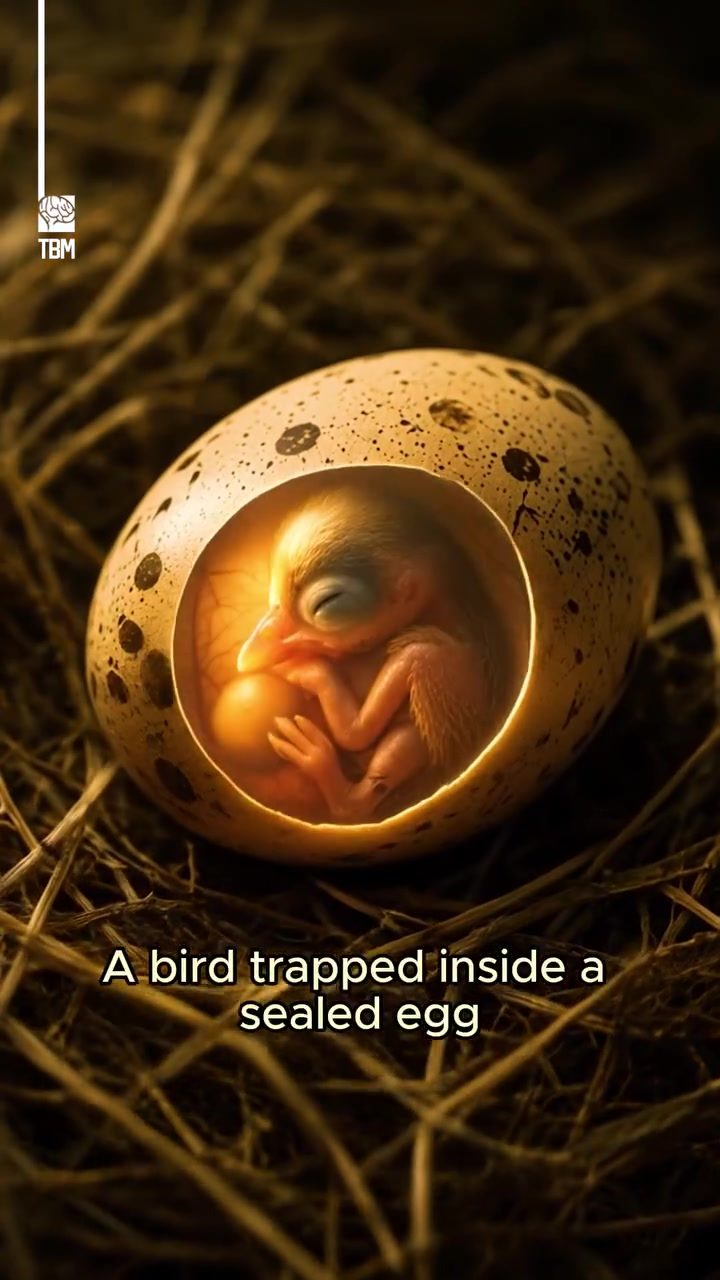
Chick Development in Eggs
Chicks are fascinating creatures, and their development inside eggs is a remarkable process. Understanding how chicks breathe inside eggs and what happens as they prepare to hatch offers valuable insights into the intricate biology of bird development.
Why This Matters
The process of chick development inside eggs is crucial for understanding avian biology and the natural world. It highlights the efficiency of nature in providing the necessary conditions for life to begin and thrive. This process is especially intriguing because it involves a unique respiratory system that ensures the chick receives the oxygen it needs to grow and develop while expelling carbon dioxide.
Chick Respiration Inside the Egg
Oxygen and Carbon Dioxide Exchange
Inside an egg, a chick does not use its lungs in the same way it will after hatching. Instead, oxygen enters the egg through thousands of microscopic pores in the shell. These pores are so small that they are barely visible to the human eye, but they play a crucial role in the chick's survival. Just beneath the shell, a network of blood vessels absorbs the oxygen and carries it through the chick's body. Simultaneously, carbon dioxide produced by the chick's metabolism escapes through the same pores. This efficient exchange ensures that the chick receives the oxygen it needs while effectively removing waste gases.
The Role of the Air Pocket
Near the end of the chick's development, it pierces an internal air pocket within the egg. This air pocket is essential because it allows the chick to take its first true breaths. The chick’s lungs begin to function more actively, preparing for the moment it will crack the shell and start breathing fresh, outside air. This transition is critical as it marks the final stage of the chick's development inside the egg.
The Hatching Process
Preparing for Life Outside
Only after the chick successfully cracks through the shell does it begin breathing fresh, outside air with fully functioning lungs. This moment is a significant milestone in the chick's life, as it marks the transition from a protected environment inside the egg to the challenges and opportunities of the outside world. The chick's lungs, now fully developed, allow it to breathe efficiently and prepare it for the next stages of its life.
The Efficient Design of the Egg
The design of the egg and the processes that occur inside it are a testament to the efficiency and complexity of nature. The thousands of microscopic pores in the shell, the network of blood vessels beneath it, and the internal air pocket all work together to create an environment that supports the chick's growth and development. This design ensures that the chick has everything it needs to survive and thrive, right from the moment it hatches.
Practical Tips for Understanding Chick Development
Observing and understanding the process of chick development inside eggs can be both fascinating and educational. Here are some practical tips for those interested in learning more:
Observe the Hatching Process
One of the best ways to understand how chicks breathe inside eggs is to observe the hatching process. This can be done by setting up an incubator and observing the eggs as they hatch. Watching the chick peck its way out of the shell and take its first breaths can provide valuable insights into the intricate processes that occur inside the egg.
Study the Egg Shell and Pores
Using a magnifying glass, you can examine the pores on the surface of the egg. These pores are small, but they are crucial for the exchange of oxygen and carbon dioxide. Understanding how these pores function can help you appreciate the efficiency of the chick's respiratory system inside the egg.
Learn About the Internal Air Pocket
The internal air pocket is an essential part of the hatching process. As the chick develops, it moves closer to the air pocket, which allows it to take its first true breaths. This transition is a critical step in the chick's development and is worth studying in detail.
Important Takeaways
The process of chick development inside eggs is a remarkable example of nature's efficiency and complexity. Key takeaways from this process include:
- Chicks do not suffocate inside eggs because of the thousands of microscopic pores in the shell that allow for the exchange of oxygen and carbon dioxide.
- A network of blood vessels beneath the shell absorbs oxygen and carries it through the chick's body.
- The internal air pocket allows the chick to take its first true breaths, preparing it for the transition to outside air.
- Only after cracking through the shell does the chick begin breathing fresh, outside air with fully functioning lungs.
Conclusion
The journey of a chick from an egg to a fully developed bird is a marvel of nature. Understanding how chicks breathe inside eggs and the processes involved in their development offers a deeper appreciation for the natural world. From the microscopic pores in the shell to the internal air pocket, every aspect of this process is finely tuned to support the chick's growth and survival. This intricate biological dance ensures that each chick is ready to face the challenges and opportunities of the world outside the egg.
Watch the Reel
Questions readers ask
How do chicks inside eggs get the oxygen they need to survive and grow?
Chicks breathe inside eggs through a unique system. Oxygen enters the egg through tiny pores in the shell, then diffuses through the egg's membrane and into the chick's blood vessels, which are near the shell's inner surface. The chick's respiratory system efficiently extracts the oxygen from the blood vessels, allowing the chick to grow and develop.
What happens to the carbon dioxide produced by the chick inside the egg?
As the chick grows, it produces carbon dioxide, which needs to be expelled from the egg. Unlike oxygen, which enters through the shell pores, carbon dioxide travels in the opposite direction. Carbon dioxide diffuses from the chick’s blood vessels, through the egg’s membrane, and out through the same tiny pores in the shell.
What is the role of the air cell in a chick's respiratory system?
The air cell is a crucial component in the chick's development. Located at the wider end of the egg, the air cell is where the chick's lungs begin to prepare for breathing air. The air cell grows as the chick absorbs the egg's albumen, and it's a vital part of the chick's final preparation for hatching, providing the necessary oxygen for the chick to take its first breaths outside the egg.
How do the shell pores facilitate the chick's breathing process inside the egg?
Shell pores play a critical role in the chick's respiratory process. These tiny openings allow for the exchange of gases, ensuring that oxygen enters the egg and carbon dioxide exits. The pores are essential for maintaining the right balance of gases, which is vital for the chick's survival and development.
What happens to the chick's respiratory system as it prepares to hatch?
As the chick prepares to hatch, its respiratory system undergoes significant changes. The chick's lungs develop and mature, and the air cell expands, providing the necessary oxygen for the chick to take its first breaths outside the egg. The chick's blood vessels, which have been supplying oxygen to the embryo, are no longer needed once the chick has hatched.
How does the chick's respiratory process change during the hatching process?
During hatching, the chick's respiratory process shifts from relying on the oxygen diffusing through the shell to breathing air directly. The chick begins to take in air through its beak, and its lungs fully engage with the process of breathing. This transition is facilitated by the air cell, which provides the initial oxygen needed for the chick to break through the shell and take its first breaths of air.
Related deep dives
Similar reads based on topic and creator.




Recent articles
Fresh deep dives from the latest Reels we unpacked.




Comments
Be the first to comment.