Chewing Gum and Microplastics
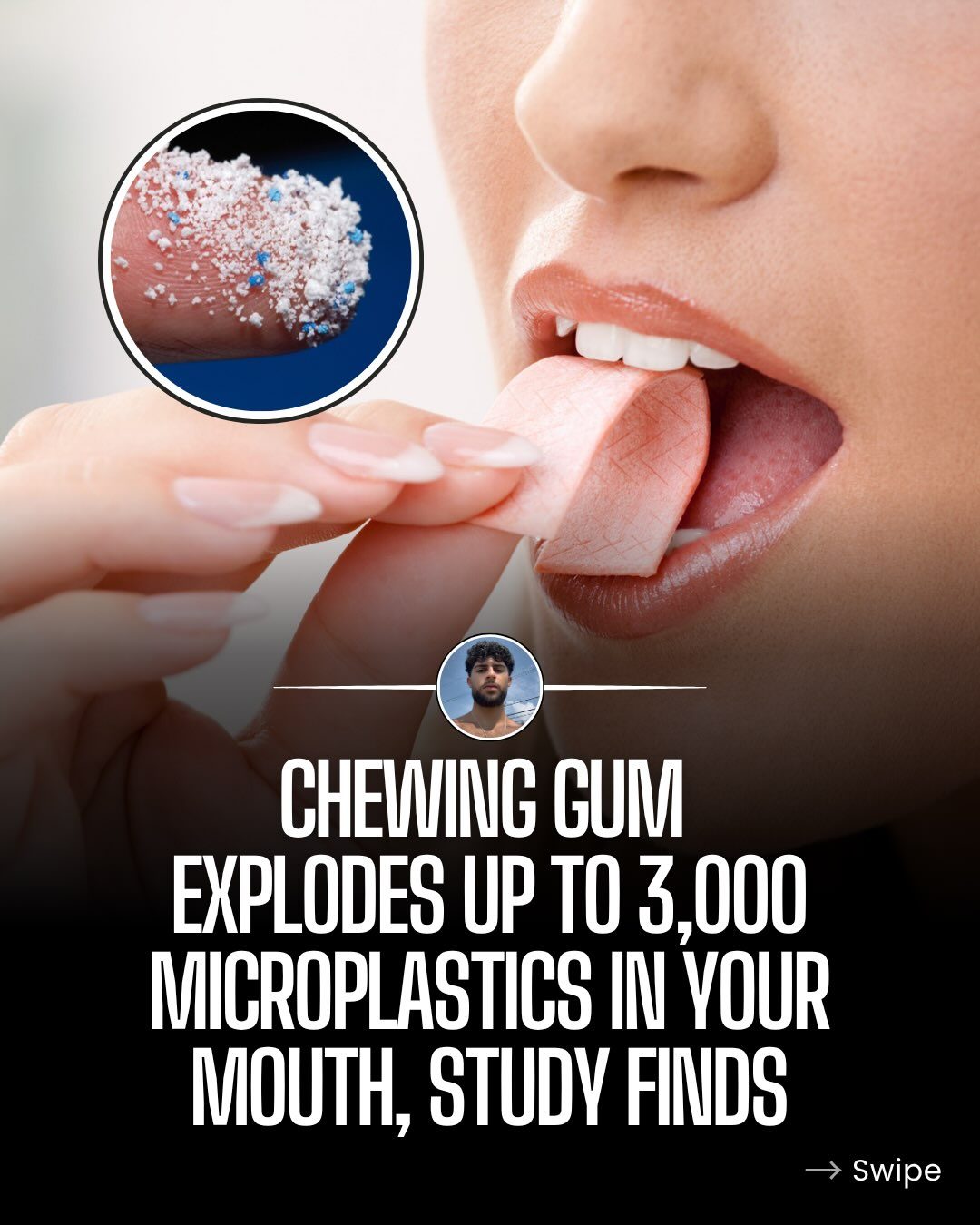
Chewing gum is a ubiquitous habit for many, but recent findings reveal a startling truth: it releases microplastics into your mouth. A pilot study from researchers at the Samueli School of Engineering found that a single piece of chewing gum can release hundreds to up to 3,000 microplastic particles into your saliva. This discovery has significant implications for the widespread consumption of chewing gum and the potential health impacts of microplastics.
Context / Why This Matters
Microplastics are tiny plastic particles, typically less than 5 millimeters in size, that can originate from various sources, including the breakdown of larger plastic items and synthetic fibers. They have been found in numerous environments, from oceans to soil, and even in the air we breathe. The presence of these particles in chewing gum highlights a new and concerning avenue for human exposure to microplastics.
Main Discussion
Understanding the Study
The study conducted by researchers at the Samueli School of Engineering delved into the composition and behavior of chewing gum. One of the key findings was that about 94% of the microplastics detach from the gum within the first 8 minutes of chewing. This rapid release means that a significant amount of microplastics can enter the mouth quickly. Each gram of gum sheds an average of 100 to over 600 particles, with larger pieces releasing up to 3,000 total pieces. This finding is particularly concerning given the frequency and duration of gum-chewing in many individuals.
Common Brands and Microplastics
Popular chewing gum brands like Trident and Orbit were highlighted in the study, raising questions about the broader industry. The study did not specify that these brands were uniquely problematic, but rather that the issue is widespread across many commercial chewing gums. The use of synthetic plastics and rubbers in the gum base contributes to the release of microplastics. Understanding how these components interact with saliva and the mouth is crucial for assessing the potential health risks.
How Microplastics Enter the Body
The primary way microplastics enter the body from chewing gum is through ingestion and inhalation. When you chew gum, the microplastics can be swallowed or inhaled, entering the digestive and respiratory systems. The long-term effects of ingesting these particles are not yet fully understood, but concerns about their potential to cause inflammation, toxicity, and other health issues are growing. The rapid release of microplastics within the first few minutes of chewing underscores the urgency of addressing this issue.
Potential Health Impacts
While more research is needed to fully understand the health impacts of microplastics from chewing gum, current studies suggest several potential risks. Microplastics can carry harmful chemicals such as phthalates, bisphenol A (BPA), and persistent organic pollutants (POPs). Ingestion of these particles may lead to chronic inflammation, altered gut microbiota, and endocrine disruption. Additionally, the accumulation of microplastics in the body over time could have cumulative effects that are not yet fully understood.
Practical Tips
Switch to Certified Plastic-Free Gums
One of the most effective ways to avoid microplastics from chewing gum is to switch to certified plastic-free brands. Look for brands that explicitly state they are plastic-free and use chicle—a natural, biodegradable tree sap—as their gum base. Chicle is a sustainable and biodegradable alternative to synthetic plastics, making it a safer choice for both consumers and the environment. Brands that prioritize natural and biodegradable ingredients are becoming more common, offering alternatives to conventional gums.
Read the Ingredients Label
Another crucial step is to read the ingredients label carefully. Avoid hidden plastics by checking the packaging for the term "Gum Base." If a brand lists generic "gum base" without specifying it is plant-based or chicle, it almost always contains synthetic plastics and rubbers. Opting for gums that clearly state the use of natural gum bases can help reduce exposure to microplastics. Pay attention to the specific terms and ingredients listed, as they can indicate the presence of synthetic plastics.
Explore Alternative Chewing Options
For those looking to reduce or eliminate their chewing gum intake, there are alternative options available. Chewing on a natural gum base like licorice root can provide a similar sensory experience without the risk of ingesting microplastics. Additionally, breathing exercises, drinking more water, and using mouth fresheners can help manage oral discomfort without resorting to conventional chewing gum.
Important Takeaways
The study revealing that chewing gum releases microplastics into the mouth is a wake-up call for consumers and the industry. It underscores the importance of being mindful of the composition of everyday products and the potential hidden risks they may pose. By switching to certified plastic-free gums, reading ingredient labels carefully, and considering healthier alternatives, individuals can take proactive steps to reduce their exposure to microplastics.
Conclusion
The discovery that chewing gum releases up to 3,000 microplastics into the mouth is a significant concern for public health. Understanding the findings of the study and taking practical steps to minimize exposure can help mitigate potential risks. As more research is conducted, it is essential to stay informed and make conscious choices about the products we consume. By prioritizing natural and biodegradable alternatives, we can reduce our impact on the environment and protect our health.
Watch the Reel
Questions readers ask
What are microplastics and why are they found in chewing gum?
Microplastics are tiny plastic particles, typically less than 5 millimeters in size. They are found in chewing gum due to the synthetic and plastic ingredients used in the gum base, which can break down over time and with use, releasing these particles into the mouth.
How many microplastics can be released by a single piece of chewing gum?
A recent pilot study found that a single piece of chewing gum can release anywhere from hundreds to up to 3,000 microplastic particles into your saliva, depending on the brand and the duration of chewing.
What brands of gum were tested in the study on microplastic release?
The specific brands mentioned in the study are Trident and Orbit. However, it is likely that other brands of chewing gum could also release microplastics, given that the gum base typically contains some synthetic components.
Is there a difference in microplastic release between regular and 'plastic-free' gum?
The study did not explicitly compare the microplastic release from 'plastic-free' gum. However, it is important to note that even gums marketed as 'plastic-free' or 'natural' may still contain synthetic ingredients that could potentially release microplastic particles.
What are the potential health impacts of chewing gum if it releases microplastics?
The long-term health impacts of ingesting microplastics through chewing gum are not yet fully understood, but they could be a concern for frequent gum chewers. Future research should focus on the potential effects of microplastic particles on human health, especially when consumed in large quantities or over extended periods.
Is chewing gum the only source of microplastics in the human body?
No, chewing gum is not the only source of microplastics in the human body. Microplastics have been found in various environments, including food, water, and even air, and can enter the human body through multiple pathways.
Related deep dives
Similar reads based on topic and creator.




Recent articles
Fresh deep dives from the latest Reels we unpacked.




Comments
Be the first to comment.