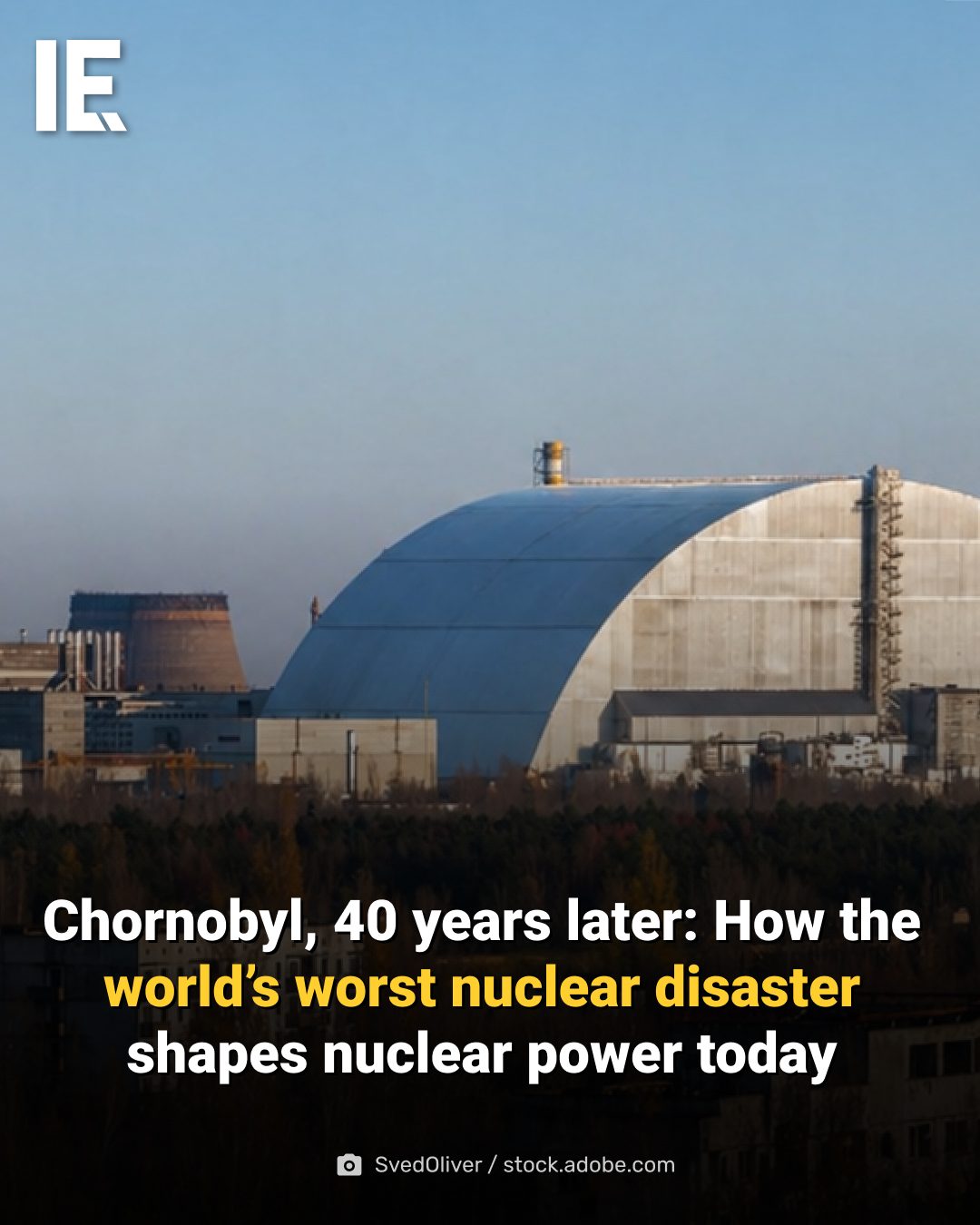
Chernobyl Disaster: 40 Years Later
The Chernobyl disaster remains one of the most catastrophic nuclear accidents in history. Forty years after the meltdown, the exclusion zone around the Chernobyl Nuclear Power Plant is still contaminated, and the protective structure, known as the New Safe Confinement (NSC), faces significant challenges.
Why this matters
The Chernobyl disaster not only had immediate devastating consequences but also long-term implications for nuclear power policies and public perception. Understanding the current state of the disaster site and the ongoing efforts to contain it is crucial for appreciating the complexity of nuclear energy management and the lessons learned from this tragedy.
Main discussion
The Initial Disaster
The Chernobyl disaster occurred on April 26, 1986, at the Chernobyl Nuclear Power Plant in Ukraine. The explosion and subsequent fire released large quantities of radioactive particles into the atmosphere, which spread across much of the Western USSR and Europe. The accident was caused by a flawed reactor design and serious mistakes made by the operators.
The Exclusion Zone
The immediate area around the plant, known as the exclusion zone, was evacuated, and a 30-kilometer radius around the plant remains off-limits to the public. The zone is still highly contaminated with radioactive materials, making it unsafe for human habitation. The contaminated area spans over 2,600 square kilometers and includes parts of Ukraine and Belarus.
The Sarcophagus and New Safe Confinement
The sarcophagus, a massive concrete and steel structure, was hastily constructed to contain the radioactive fallout from Reactor 4. However, this structure was not designed to last indefinitely and has been prone to degradation over time. In 2016, a more robust structure, the New Safe Confinement (NSC), was built to replace the original sarcophagus. The NSC is designed to withstand external impacts, including potential drone strikes, and to provide a safer, more durable enclosure for the reactor.
Ongoing Contamination and Degradation
Despite the construction of the NSC, the exclusion zone remains highly contaminated. The NSC itself has faced issues, with reports of drone strikes and the potential for structural degradation. The long-term effectiveness of the NSC is a matter of ongoing concern. Experts warn that the disaster's warnings have not been fully heeded, and the risks of nuclear accidents remain a pressing issue.
Practical tips
Stay Informed
Understanding the ongoing situation at Chernobyl is essential for staying informed about nuclear safety and the potential risks associated with nuclear energy. Regularly check updates from reliable sources to stay informed about the current state of the exclusion zone and the NSC.
Support Research and Development
Support initiatives aimed at improving nuclear safety and developing more robust containment solutions. Advancements in nuclear technology and safety measures can help prevent future disasters and ensure the safe management of existing nuclear facilities.
Advocate for Nuclear Safety
Engage with policymakers and advocacy groups to promote stricter nuclear safety regulations and better emergency response plans. Public awareness and advocacy play a crucial role in shaping policies that prioritize nuclear safety.
Important takeaways
- The Chernobyl disaster's impact persists 40 years later, with the exclusion zone remaining contaminated and the NSC facing structural challenges.
- Lessons from the Chernobyl disaster have shaped global nuclear power policies, but experts warn that the risks of nuclear accidents are still significant.
- It is essential to stay informed about nuclear safety and support initiatives that aim to improve the management of nuclear energy.
Conclusion
The Chernobyl disaster serves as a sobering reminder of the potential dangers associated with nuclear energy. As we mark 40 years since the accident, it is crucial to reflect on the lessons learned and the ongoing efforts to manage the contaminated site. By staying informed, supporting research, and advocating for stricter safety measures, we can help ensure that future generations are better protected from the risks of nuclear accidents.
Watch the Reel
Related deep dives
Similar reads based on topic and creator.



Recent articles
Fresh deep dives from the latest Reels we unpacked.




Comments
Be the first to comment.