Fireworks Chemistry
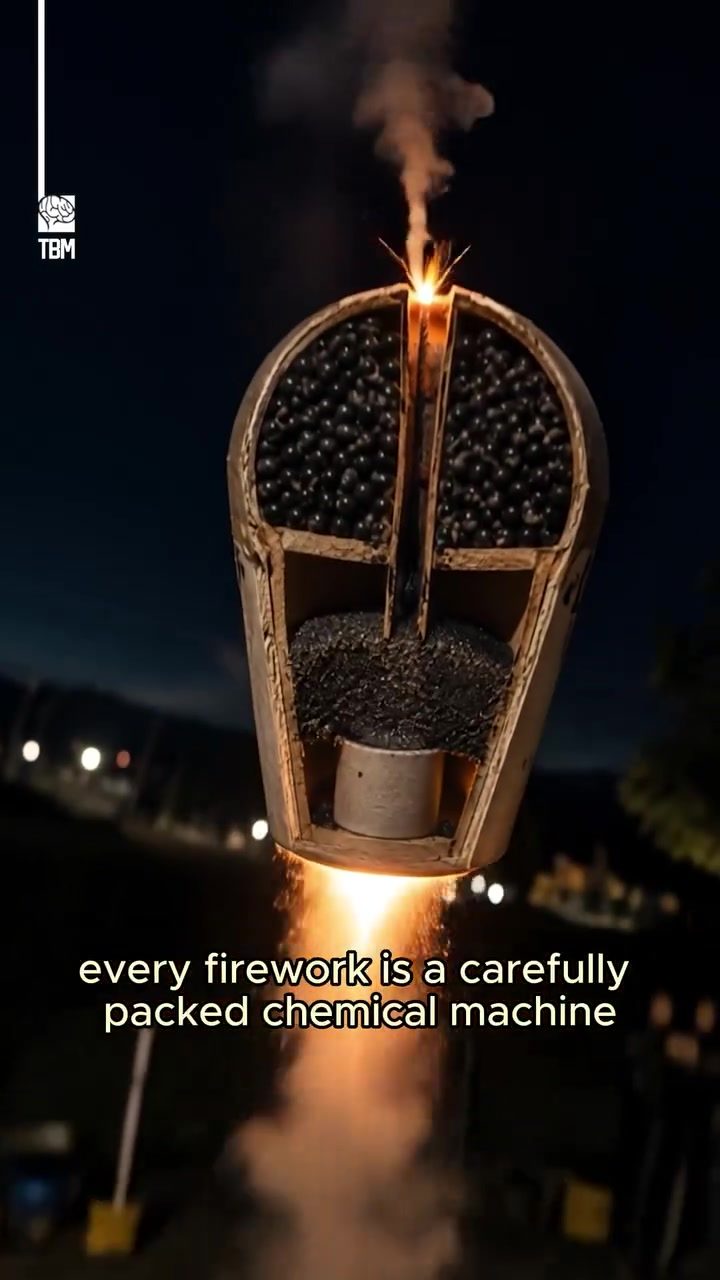
The magic of fireworks lies in their intricate chemistry, which combines various components to create dazzling displays in the sky. Under the hood, a firework shell is a meticulously designed chemical machine. Let's delve into the components and chemical reactions that turn a simple explosion into a mesmerizing spectacle.
Why This Matters
Understanding the science behind fireworks can enhance appreciation for the artistry and precision involved in creating these spectacles. Fireworks are not just about visual delight; they also offer insights into the fascinating world of chemistry and physics.
The Anatomy of a Firework
The Shell
At the heart of every firework is the shell, a sturdy container that holds all the necessary components. Inside the shell, you'll find:
- Stars: Tiny pellets made from a mixture of fuel, oxidizer, and color-producing chemicals.
- Lifting Charge: A propellant that launches the firework into the sky.
- Timed Fuse: A fuse that ensures the firework explodes at the right moment.
- Bursting Charge: A small explosive that ignites the stars and scatters them outward.
The Lifting Charge
The lifting charge is crucial for elevating the firework to the desired height before the main display. Once ignited, the lifting charge generates a controlled explosion that propels the shell upward. The timing of this launch is precise, ensuring that the firework reaches its peak height before the bursting charge activates.
The Fuse
The timed fuse is a critical element that determines when the firework will detonate. It burns at a controlled rate, ensuring that the bursting charge ignites at the optimal moment. This controlled timing allows for the creation of intricate patterns and effects in the sky.
The Stars
Stars are the stars of the show, both literally and figuratively. Each star is a small pellet consisting of:
- Fuel: Typically charcoal.
- Oxidizer: Usually an oxidizing agent like potassium nitrate.
- Color-Producing Chemicals: Specific metal compounds that produce vibrant colors when burned.
How Colors Are Produced
The dazzling colors in fireworks are the result of different metal compounds burning at high temperatures. Here are some of the key elements and the colors they produce:
- Strontium (Sr): Produces a bright red color.
- Barium (Ba): Creates a vivid green color.
- Copper (Cu): Yields a brilliant blue color.
- Sodium (Na): Produces a bright yellow color.
Combination of these elements in various proportions allows for a wide array of colors and effects, turning a simple explosion into a mesmerizing display of circles, hearts, and sparkling patterns in the sky.
Practical Tips for Creating Fireworks
Safety First
Handling fireworks involves working with highly combustible materials and explosive charges. Always prioritize safety by following these guidelines:
- Use Protective Gear: Wear safety goggles, gloves, and other protective clothing.
- Store Properly: Keep fireworks in a cool, dry place away from heat sources and flammable materials.
- Follow Instructions: Always read and follow the manufacturer's instructions carefully.
Precise Timing
Timing is everything in fireworks. The fuse must burn at a consistent rate to ensure the firework explodes at the right moment. Use high-quality fuses and test them regularly to ensure they perform as expected.
Environmental Considerations
Fireworks can have environmental impacts, including noise pollution and air pollution. To minimize these effects:
- Choose Environmentally Friendly Fireworks: Opt for products that use biodegradable materials and produce fewer emissions.
- Clean Up: After the display, clean up any debris and dispose of it responsibly.
- Inform Neighbors: Let neighbors know in advance to minimize disruptions and potential hazards.
Important Takeaways
Understanding the components and chemical reactions behind fireworks can deepen your appreciation for these spectacular displays. Key points to remember include:
- Fireworks are complex chemical machines that rely on precise timing and controlled explosions.
- Different metal compounds produce the vibrant colors seen in fireworks.
- Safety and environmental considerations are crucial when handling and setting off fireworks.
Conclusion
Fireworks are a blending of art and science, creating breathtaking displays that light up the night sky. By understanding the chemistry and mechanics behind these explosions, you can gain a newfound respect for the skill and precision involved in creating these dazzling spectacles. Whether you’re watching a professional display or planning your own, the science behind fireworks adds an extra layer of awe to the experience.
Watch the Reel
Questions readers ask
What are firework stars and how do they produce colors?
Firework stars are small pellets packed with chemicals that produce the vibrant colors seen in firework displays. The colors are generated through specific chemical reactions, such as the use of barium for green, and strontium for red, when these elements are heated and excited, they release light at specific wavelengths.
How do fireworks achieve their timing and sequencing?
The timing and sequencing of fireworks are controlled by a combination of fuses and charges. A fuse is typically used to ignite the firework shell, and then a series of charges, which are also fuses, within the shell, ignite the stars and create the desired sequence of explosions and effects. This is meticulously timed to ensure the firework display unfolds as intended.
What is the purpose of the lifting charge in a firework?
The lifting charge is a crucial component in a firework shell. It consists of a large amount of gunpowder used to propel the shell into the sky. The lifting charge is ignited first and creates a powerful, upward force that sends the shell high enough to create the firework display at the desired altitude.
What are the main components inside a firework shell?
A firework shell contains several key components: the stars, which are the pellets that produce the colors and effects; the lifting charge, which propels the shell into the sky; and the fuse and charge system, which controls the timing and sequencing of the firework display. The shell itself is a sturdy container that houses all these components.
What role do chemicals like barium and strontium play in firework displays?
Chemicals like barium and strontium are essential for creating the vivid colors in firework displays. When heated, barium produces a bright green color, while strontium produces a red color. These chemicals are included in the firework stars, and their specific reactions upon ignition generate the desired hues.
Related deep dives
Similar reads based on topic and creator.




Recent articles
Fresh deep dives from the latest Reels we unpacked.




Comments
Be the first to comment.