CHEETAH CLOSE-UPS – WILDLIFE ENCOUNTERS FROM A NATURAL HABITAT
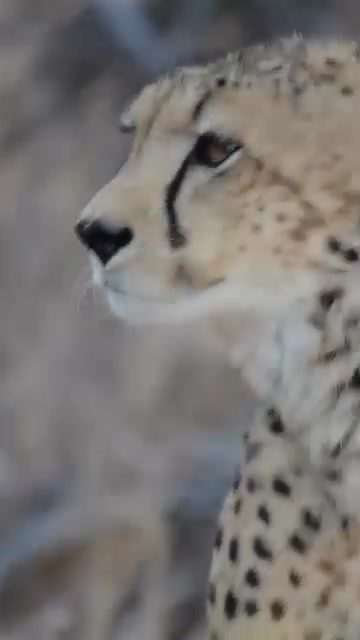
A close-up view of a cheetah's face reveals a world of natural splendor and elegance. The distinctive spotted coat and piercing eyes of these big cats make them one of the most fascinating subjects in the wildlife world. Cheetahs are known for their exceptional speed and agility, but up close, their beauty and grace are just as striking. Understanding these magnificent creatures and their habitats sheds light on the importance of preserving their natural environments.
Why This Matters
Cheetahs are not only iconic symbols of the African savannah but also play a crucial role in their ecosystems. Their presence helps control the populations of their prey, which in turn benefits other species. However, cheetahs are currently endangered due to habitat loss, human-wildlife conflict, and poaching. Protecting these big cats and their habitats is essential for maintaining biodiversity and ecological balance. It also serves as a reminder of the importance of conservation efforts in preserving the natural world for future generations.
The Exquisite Features of Cheetahs
Distinctive Markings
One of the most striking features of a cheetah is its unique coat pattern. Each cheetah has a distinct set of black spots and rosettes that serve as natural camouflage in their grassland habitats. These markings not only help them blend into their surroundings but also aid in thermoregulation, allowing them to dissipate heat more efficiently.
Unique Facial Expressions
A close-up view of a cheetah's face reveals a range of expressive features. Their large, round eyes and distinctive black "tear marks" running from the corners of their eyes to the sides of their mouths are not only visually striking but also serve practical purposes. These tear marks help reduce glare from the sun, enhancing their vision during hunts.
Agile and Powerful Physique
Cheetahs possess a slender, muscular build designed for speed and agility. Their long, powerful legs and deep chest allow them to reach remarkable speeds, making them the fastest land animals. Additionally, their long tails, which act as a rudder, help them maintain balance and maneuverability during high-speed chases.
Practical Tips for Capturing Wildlife
Choosing the Right Equipment
To capture close-up shots of wildlife like cheetahs, it's essential to have the right equipment. A high-quality telephoto lens with a long focal length (300mm or more) is crucial for getting detailed shots without disturbing the animals. Image stabilization and a sturdy tripod can also significantly enhance the quality of your photographs.
Knowing the Habitat
Understanding the natural habitat of cheetahs is crucial for successful wildlife photography. Cheetahs prefer open grasslands and savannas, where they can spot their prey from a distance. Knowing the best spots and times to observe these big cats can greatly improve your chances of capturing stunning close-ups.
Patience and Respect for Wildlife
Wildlife photography requires a great deal of patience and respect for the animals. It's essential to maintain a safe distance and avoid disturbing the natural behavior of the animals. Observing their habits and movements can provide opportunities for capturing unique and compelling images.
Important Takeaways
The Importance of Conservation
Cheetahs face multiple threats, including habitat loss, human-wildlife conflict, and illegal hunting. Conservation efforts are crucial for protecting these big cats and their habitats. Supporting organizations that work on wildlife preservation and sustainable tourism can help ensure the survival of cheetahs and other endangered species.
The Value of Close-up Wildlife Photography
A close-up view of a cheetah's face offers a unique perspective on these magnificent creatures, revealing their beauty and grace. Capturing such moments through photography can inspire appreciation and awareness for wildlife and the need to protect their natural habitats.
The Role of Technology in Wildlife Photography
Advances in camera technology and telephoto lenses have made it possible to capture stunning close-up shots of wildlife without disturbing them. Using the right equipment and techniques can help photographers and enthusiasts contribute to wildlife conservation by sharing their images and raising awareness.
Conclusion
The close-up view of a cheetah's face captures the elegance and beauty of these remarkable animals. Through photography and conservation efforts, we can appreciate and protect these big cats and their habitats. Capturing detailed shots of wildlife not only provides a unique perspective on nature but also serves as a reminder of the importance of preserving our natural world for future generations. Whether you're a wildlife enthusiast or a photographer, understanding and respecting these creatures is essential for their survival.
Watch the Reel
Questions readers ask
What is the best way to capture close-up shots of cheetahs in the wild?
To capture close-up shots of cheetahs in the wild, use a telephoto lens with a long focal length, such as 400mm or 600mm. Ensure your camera settings are optimized for low light and fast-moving subjects, and maintain a safe distance to avoid disturbing the cheetahs. Patience and understanding of cheetah behavior will also enhance your photography experience.
What are some key behaviors to observe in cheetahs when viewing them in their natural habitat?
When viewing cheetahs in their natural habitat, observe their hunting techniques, social interactions, and territorial behaviors. Cheetahs are known for their stealthy approach when hunting and their unique 'cheetah run' when chasing prey. They also exhibit playful behaviors and strong maternal instincts, which can be fascinating to witness.
How can I plan a wildlife backpacking trip to see cheetahs in the wild?
To plan a wildlife backpacking trip to see cheetahs in the wild, research national parks and reserves known for cheetah populations, such as the Maasai Mara in Kenya or the Serengeti in Tanzania. Hire a knowledgeable guide, pack appropriate gear, and follow ethical wildlife viewing guidelines. Ensure you have the necessary permits and follow park regulations to minimize your impact on the environment.
What role do cheetahs play in their ecosystems, and why is their conservation important?
Cheetahs play a vital role in their ecosystems by controlling the populations of their prey, such as impala and gazelles. This helps maintain a balanced ecosystem, benefiting other species as well. Conservation efforts are crucial to preserve cheetah populations, as they face threats from habitat loss, human-wildlife conflict, and poaching. Supporting conservation initiatives helps protect these magnificent big cats and their natural habitats.
How can understanding cheetah behavior in nature enhance my experience of viewing them?
Understanding cheetah behavior in nature can significantly enhance your viewing experience. Knowing when and where to look for cheetahs, recognizing their hunting patterns, and appreciating their social dynamics allows for more meaningful observations. It also helps you anticipate their movements and capture unique moments, such as a successful hunt or playful interactions between cheetahs.
What are some tips for viewing cheetahs in the wild responsibly?
To view cheetahs in the wild responsibly, maintain a safe and non-intrusive distance, avoid blocking their paths, and be mindful of your surroundings. Never feed or attempt to touch the cheetahs, and follow park guidelines. Use a camera with a long lens to capture close-up shots without disturbing the animals. By being respectful and patient, you contribute to their well-being and help preserve these magnificent creatures for future generations.
What are some of the best locations for a cheetah habitat experience?
Some of the best locations for a cheetah habitat experience include national parks and reserves in Kenya and Tanzania. The Maasai Mara National Reserve in Kenya and the Serengeti National Park in Tanzania are renowned for their cheetah populations. Other notable locations include the Kgalagadi Transfrontier Park in South Africa and Botswana, and the Nafud Desert in Saudi Arabia. These places offer unique opportunities to observe cheetahs in their natural environments and learn about their habitats.
Related deep dives
Similar reads based on topic and creator.




Recent articles
Fresh deep dives from the latest Reels we unpacked.



Comments
Be the first to comment.