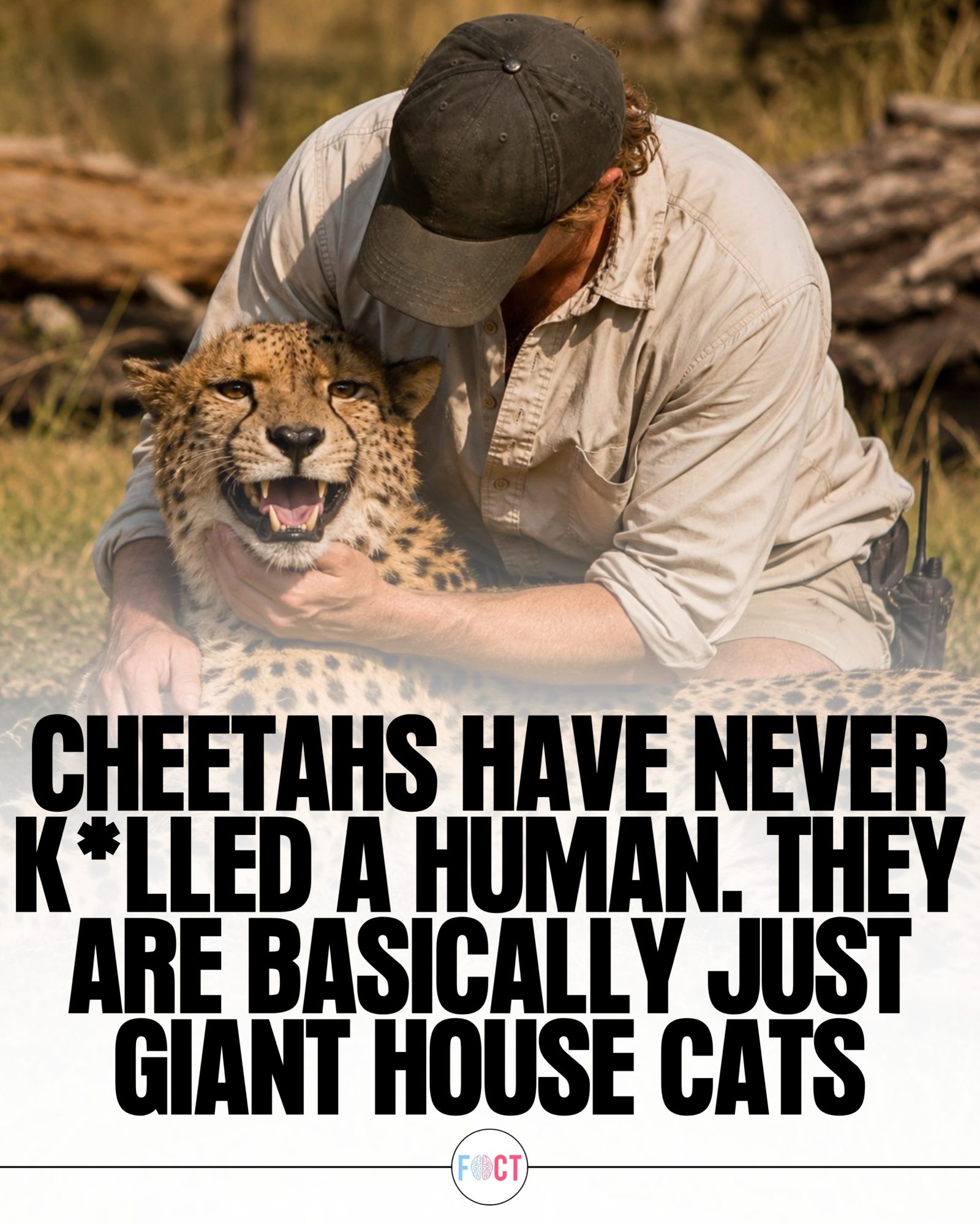
Cheetahs and Humans
Cheetahs, the fastest land animals on Earth, are often misunderstood. They have a reputation for being fierce and dangerous, but the reality is quite different. Despite their incredible speed and hunting prowess, cheetahs have never been recorded to kill a human. This surprising fact highlights the non-aggressive nature of these big cats, which are often described as giant house cats.
Context / Why this Matters
Understanding the true nature of cheetahs is crucial for their conservation and for dispelling myths that can lead to fear and mistreatment. Cheetahs are not the aggressive predators they are often portrayed to be. Wildlife researchers have noted this for decades, and recent studies have confirmed it. This insight is valuable for anyone interested in wildlife, conservation, or simply curious about these magnificent creatures.
Main Discussion
The Myth of the Dangerous Cheetah
Cheetahs are often feared due to their incredible speed, which can reach up to 70 miles per hour. However, this speed is primarily used for hunting small prey, not for confronting humans. In fact, cheetahs are known to retreat from confrontation rather than engage in a fight. This non-aggressive behavior is one of the reasons why there are no recorded cases of a cheetah killing a human.
Behavior and Temperament
Cheetahs exhibit behaviors similar to those of domestic cats. They purr, chirp, and meow, unlike other big cats that roar. This vocalization is another indicator of their more docile nature. In captivity, cheetahs bond closely with humans and can become quite affectionate. They are even known to need emotional support dogs to manage anxiety, highlighting their social and emotional needs.
Conservation Implications
The misconceptions about cheetahs can have serious conservation implications. Fear and mistreatment can lead to the persecution of these animals, which are already threatened by habitat loss and human-wildlife conflict. Understanding their true nature can help foster a more positive attitude towards cheetahs and support their conservation.
Practical Tips
Supporting Cheetah Conservation
There are several ways to support cheetah conservation efforts. One of the most effective methods is to support organizations that work to protect these animals and their habitats. The FOCt (Foundation for the Conservation of the Cheetah) is a notable organization dedicated to cheetah conservation. Donating to such organizations can help fund research, habitat protection, and anti-poaching efforts.
Promoting Positive Interactions
Promoting positive interactions between humans and cheetahs can also help dispel myths and foster a greater appreciation for these animals. Visiting reputable sanctuaries and wildlife reserves where cheetahs are cared for and studied can provide a firsthand experience of their gentle nature. These interactions can be educational and inspiring, helping to change public perception.
Advocating for Cheetahs
Advocating for cheetahs in your community can make a significant difference. Sharing accurate information about cheetahs and their behavior can help dispel myths and encourage others to support conservation efforts. Engaging in discussions, both online and offline, can raise awareness and promote a greater understanding of these remarkable animals.
Important Takeaways
Cheetahs are not the dangerous predators they are often portrayed to be. Their non-aggressive nature and gentle demeanor make them one of the least threatening big cats. Understanding and appreciating their true nature is crucial for their conservation and for fostering a positive relationship between humans and these magnificent animals.
Conclusion
Cheetahs are fascinating creatures with a unique set of behaviors and characteristics. Their non-aggressive nature and close bonding with humans in captivity highlight their gentle and social side. By dispelling myths and promoting accurate information, we can support conservation efforts and ensure that these remarkable animals thrive in the wild. Understanding the true nature of cheetahs is not just about dispelling misconceptions; it's about fostering a deeper appreciation for these incredible animals and working together to ensure their survival.
Watch the Reel
Questions readers ask
Do cheetahs pose a threat to humans?
Cheetahs do not pose a threat to humans. Despite their speed and hunting abilities, they are not aggressive towards humans and have no recorded history of killing a human.
How do cheetahs typically behave when confronted?
When faced with confrontation, cheetahs typically retreat rather than engage. This behavior underscores their non-aggressive nature and preference for avoidance over conflict.
What have wildlife researchers discovered about cheetahs' temperament?
Wildlife researchers have observed that cheetahs are gentle and non-aggressive. This conclusion is supported by decades of study and recent research, confirming that cheetahs are more akin to giant house cats than dangerous predators.
Why is it important to debunk myths about cheetahs?
Debunking myths about cheetahs is crucial for their conservation. Misunderstandings can lead to fear and mistreatment, which can negatively impact cheetah populations and their habitats.
How fast are cheetahs and does their speed make them dangerous?
Cheetahs are the fastest land animals, capable of reaching speeds up to 70-75 mph. However, their speed is used for hunting prey and does not translate to aggression towards humans. Cheetahs' speed is a hunting adaptation, not an indicator of danger to humans.
Are cheetahs accurate to be compared to house cats, even though they are quite large?
Yes, cheetahs are often compared to house cats in terms of their temperament and behavior. Despite their large size and speed, they exhibit many of the same gentle and non-aggressive traits as domestic cats.
Are there any documented cases of cheetahs attacking humans?
No, there are no documented cases of cheetahs attacking or killing humans. This lack of aggression towards humans further supports the notion that cheetahs are gentle and non-threatening to people.
Related deep dives
Similar reads based on topic and creator.




Recent articles
Fresh deep dives from the latest Reels we unpacked.




Comments
Be the first to comment.