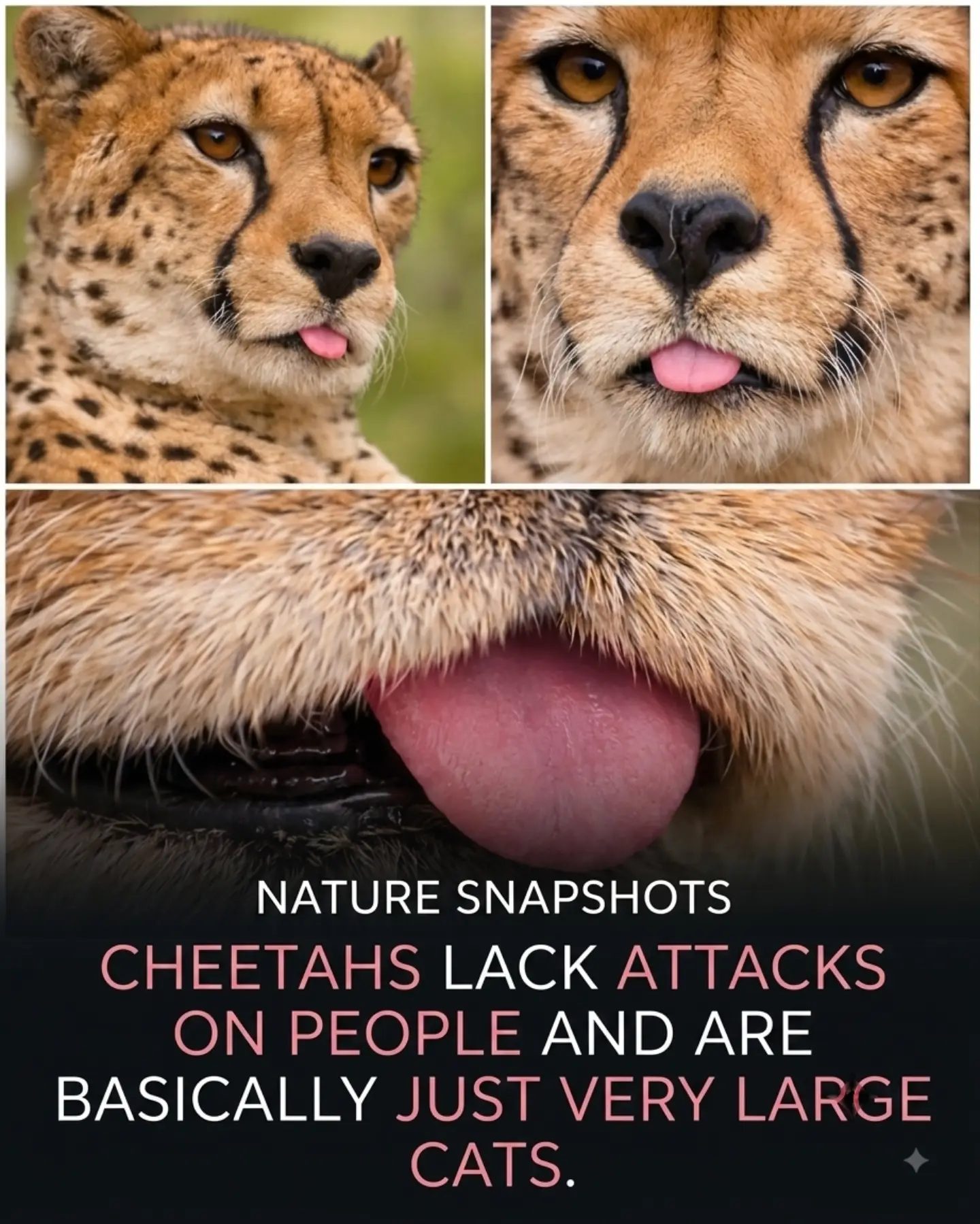
Cheetahs: The Misconception of Giant, Gentle House Cats
Cheetahs, often portrayed as timid and gentle around humans, are indeed fascinating creatures. While they may not possess the aggressive nature of lions and tigers, it's important to understand that they are still formidable apex predators. Let’s delve into the world of these spotted felines, exploring their unique characteristics and behaviors.
Context: Why This Matters
Cheetahs are the fastest land animals, capable of reaching speeds up to 70 miles per hour in short bursts. Their speed and agility make them formidable predators, even if they are not as aggressive as other big cats. Understanding their behavior and characteristics helps in appreciating their role in the ecosystem and in debunking myths about their docility.
Understanding Cheetahs
Physical Characteristics
Cheetahs are known for their distinctive spotted coats, which provide excellent camouflage in their natural habitats. Their slender bodies, long tails, and deep-chested physiques are all adaptations for speed and agility. The most striking feature of a cheetah, however, is its face. Close-up shots reveal striking eyes, a delicate nose, and a characteristic tongue that bears a resemblance to a domestic cat’s.
Behavior and Hunting Techniques
Unlike lions and tigers, cheetahs do not roar. Instead, they communicate through a series of chirps and meows, a behavior that adds to their mystique. They are also known for their stealthy hunting techniques, often stalking their prey from a distance before launching into a high-speed chase.
Cheetahs are diurnal hunters, meaning they primarily hunt during the day. This is a departure from many other big cats, which are more active at night. Their hunting style is characterized by short, rapid bursts of speed, which they use to overtake their prey. This hunting technique makes them exceptionally efficient predators, capable of taking down prey much larger than themselves.
Interactions with Humans
Cheetahs are famously timid around humans and rarely attack people. This timidity is often misunderstood as gentleness, leading to the misconception that they are essentially giant house cats. In reality, their lack of aggression towards humans is a result of their instinct to avoid confrontations and their reliance on stealth and speed rather than brute force.
Practical Tips for Observing Cheetahs
If you ever have the opportunity to observe cheetahs in the wild, here are some practical tips to keep in mind:
Safety First
Always maintain a safe distance. Remember, while cheetahs are not as aggressive as other big cats, they are still wild animals and can be unpredictable. Respect their space and never approach them directly.
Be Quiet and Patient
Cheetahs are sensitive to noise and movement. If you want to observe them in their natural habitat, be quiet and patient. Avoid sudden movements and loud noises that could startle them.
Use Binoculars
Using binoculars or a spotting scope can enhance your viewing experience without disturbing the cheetahs. These tools allow you to get a close-up view of the animals from a safe distance.
Important Takeaways
Cheetahs Are Not Gentle Giants
While cheetahs are timid around humans, they are still apex predators. Their lack of aggression towards people does not make them docile or easy to handle. Always treat them with the respect and caution you would give to any wild animal.
Conservation Matters
Cheetahs face numerous threats, including habitat loss and hunting. Conservation efforts are crucial for ensuring their survival. Supporting organizations that work towards cheetah conservation can make a significant difference in protecting these magnificent creatures.
Appreciate Their Unique Characteristics
Cheetahs are unique among big cats for their speed, hunting techniques, and communication methods. Appreciating these characteristics can deepen your understanding and admiration for these remarkable animals.
Conclusion
Cheetahs are more than just "giant house cats." They are complex, fascinating creatures with unique behaviors and adaptations. Understanding their true nature helps in appreciating their role in the ecosystem and in dispelling common myths. Whether you observe them in the wild or learn about them through various sources, cheetahs continue to captivate with their speed, grace, and intriguing characteristics.
Watch the Reel
Questions readers ask
How fast can cheetahs run and how does this compare to other big cats?
Cheetahs are renowned for their speed and can reach up to 70 mph in short bursts. This makes them the fastest land animals. Unlike lions and tigers, which rely on strength and stealth, cheetahs use their incredible speed to outrun their prey, making them highly efficient hunters.
What unique methods do cheetahs use to hunt their prey?
Cheetahs employ a distinctive hunting strategy that involves stealth and exceptional speed. They stalk their prey silently, then, once in range, they accelerate to their top speed in a short burst, ensuring a swift and successful hunt. This technique allows them to take down prey much larger than themselves, such as impalas and gazelles.
How do cheetahs communicate with each other?
Cheetahs have a unique repertoire of vocalizations that include chirps, meows, and purrs to communicate with each other. These sounds are distinct from the roars and growls commonly associated with other big cats, such as lions and tigers. This form of communication aids in maintaining social bonds and coordination during hunting and mating.
Are cheetahs typically aggressive towards humans?
Unlike lions and tigers, cheetahs are not typically aggressive towards humans. They are often portrayed as gentle and timid around humans. However, it’s crucial to remember that they are still apex predators and should be treated with caution and respect in the wild. Their interactions with humans are generally more passive, but this does not mean they are entirely domesticated.
What role do cheetahs play in their ecosystem?
Cheetahs play a vital role in maintaining the balance of their ecosystem by controlling the populations of their prey, such as gazelles and impalas. Their hunting patterns and stealthy behavior help to keep herbivore populations in check, which in turn prevents overgrazing and maintains the health of the grasslands and savannahs they inhabit.
What is the significance of a cheetah's tongue?
A cheetah's tongue is unique and serves multiple purposes. Covered in tiny, backward-facing spines, it aids in grooming by effectively removing dirt and parasites from their fur. Additionally, it helps in cleaning and consuming their prey, as the spines act like a built-in comb, ensuring they remove every trace of meat.
Why is it important to understand cheetah behavior?
Understanding cheetah behavior is crucial for several reasons. It helps dispel misconceptions about their docility and highlights their importance as apex predators. By learning about their hunting techniques, communication, and interactions with other species, we can better appreciate their role in the ecosystem and develop effective conservation strategies to protect these remarkable animals.
Related deep dives
Similar reads based on topic and creator.




Recent articles
Fresh deep dives from the latest Reels we unpacked.




Comments
Be the first to comment.