Chandipura Virus: Critical Information for Parents
The Chandipura virus is a significant concern for parents, particularly during the monsoon season in India. This virus, which primarily affects children, can swiftly turn a seemingly normal fever into a life-threatening situation within just 24-48 hours. Understanding how it spreads and how to protect your child is crucial, especially in regions like Gujarat and Rajasthan, where the virus has been particularly active.
Why This Matters
The Chandipura virus is not spread through mosquitoes. It is carried by sand flies, which thrive in damp environments such as camp floors, cracked walls, and cattle sheds. This distinction is vital because traditional mosquito nets will not offer adequate protection. The virus moves rapidly, and symptoms can escalate from fever to seizures in a matter of hours. There is currently no vaccine or specific cure for the Chandipura virus, making prevention and early intervention the best lines of defense.
Main Discussion
Understanding the Virus
The Chandipura virus is a serious health risk, particularly for children under the age of 15. It is spread by sand flies, which are small, biting insects that breed in damp and unsanitary conditions. These flies are often found in areas with poor sanitation, such as cracked walls, damp floors, and animal sheds. The virus can cause severe symptoms, including high fever and seizures, within a very short period. Its rapid progression makes it particularly dangerous, as symptoms can worsen within 24-48 hours, leading to critical complications.
Areas at High Risk
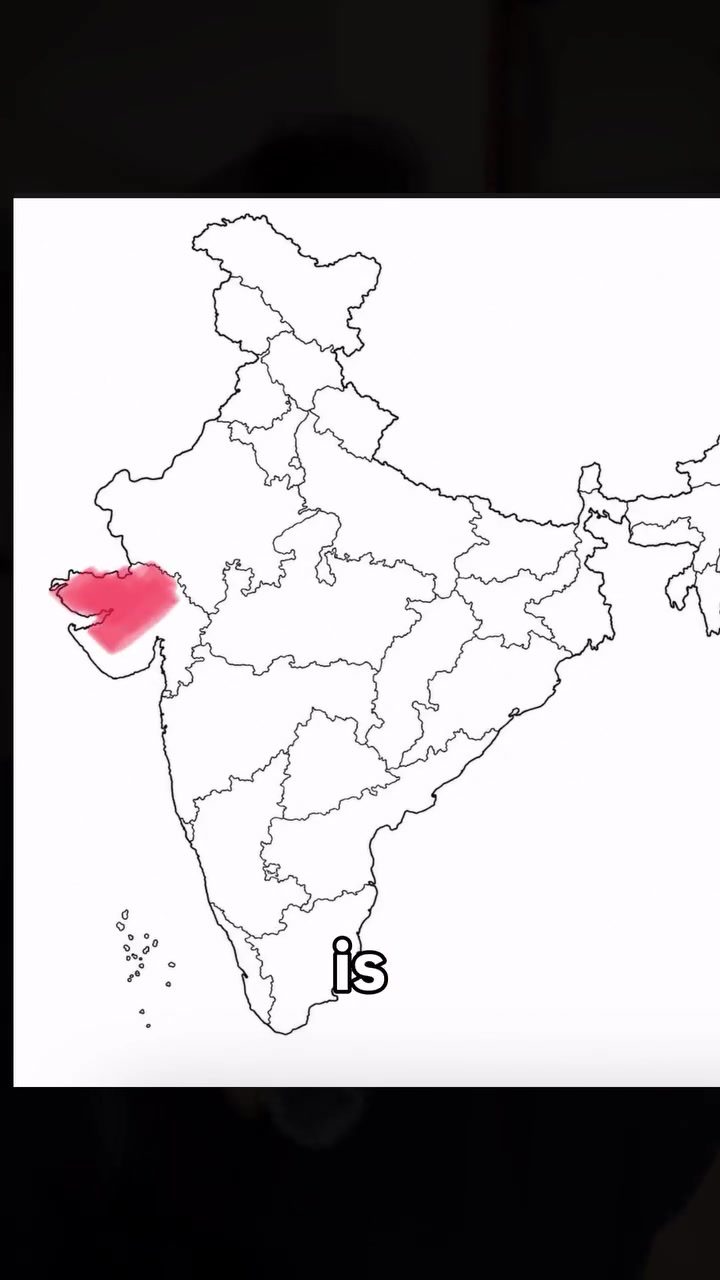
The Chandipura virus has been particularly active in the states of Gujarat and Rajasthan. These regions are on high alert, especially during the monsoon season, when the damp conditions are ideal for sand flies to breed. Over 35 confirmed cases have been reported, with 22 child deaths, highlighting the urgency of the situation. Parents in these areas need to be vigilant and take proactive measures to protect their children.
Symptoms and Progression
The initial symptoms of the Chandipura virus often resemble a common fever, which can be misleading. However, the virus can quickly escalate, leading to seizures within a few hours. This rapid progression is what makes the Chandipura virus so dangerous. Since there is no specific cure or vaccine, early detection and prompt medical intervention are crucial. Parents should be aware of the signs and seek immediate medical attention if their child exhibits symptoms such as fever, drowsiness, or seizures.
Practical Tips
Prevention Measures
Preventing the Chandipura virus involves creating an environment that is inhospitable to sand flies. Here are some practical tips to keep your child safe:
- Seal Cracks and Crevices: Sand flies can breed in small cracks and crevices in walls and floors. Use sealants or plaster to close these gaps and prevent sand flies from entering your home.
- Maintain Cleanliness: Keep your living spaces clean and dry. Regularly sweep and mop floors to remove any debris or moisture that could attract sand flies.
- Avoid Damp Areas: Keep children away from areas where sand flies are likely to breed, such as cattle sheds, damp floors, and cracked walls.
- Use Insect Repellents: Apply insect repellents that are safe for children to exposed skin and clothing. Ensure that the repellent contains active ingredients like DEET or picaridin, which are effective against sand flies.
Early Detection and Intervention
Early detection can make a significant difference in the outcome of Chandipura virus infection. Here are some key points to remember:
- Monitor Symptoms: Be vigilant about your child's health, especially if they have a fever. Look for signs of drowsiness or seizures, as these can indicate a more serious condition.
- Seek Immediate Medical Attention: If your child exhibits any of the symptoms associated with the Chandipura virus, such as fever, drowsiness, or seizures, take them to the nearest hospital immediately. Early intervention can prevent the virus from progressing to a critical stage.
- Consult a Pediatrician: Always consult your pediatrician for guidance on preventing and managing the Chandipura virus. They can provide tailored advice based on your child's specific needs and the current health situation in your area.
Community Awareness
Awareness is key to preventing the spread of the Chandipura virus. Share this information with other parents and caregivers in your community. Encourage them to take the necessary precautions to protect their children. By working together, we can create a safer environment for everyone during the monsoon season.
Important Takeaways
- Prevention is Key: Since there is no vaccine or specific cure for the Chandipura virus, prevention is the best approach.
- Awareness Saves Lives: Knowing the symptoms and acting quickly can save a child's life.
- Community Effort: Protecting children from the Chandipura virus requires a collective effort from parents, caregivers, and healthcare providers.
Conclusion
The Chandipura virus poses a significant threat, particularly during the monsoon season. Understanding how it spreads, recognizing the symptoms, and taking proactive measures can help protect children from this dangerous virus. By staying informed, taking preventive measures, and seeking immediate medical attention when needed, parents can safeguard their children's health and ensure a safer monsoon season for everyone.
Watch the Reel
Questions readers ask
What are the initial symptoms of the Chandipura virus in children?
The initial symptoms of the Chandipura virus in children often mimic a common fever, making it difficult to distinguish at first. Within 24-48 hours, symptoms can rapidly escalate to include seizures, which is a critical warning sign.
How can I protect my child from sand flies during the monsoon season?
To protect your child from sand flies, use insect repellent designed for sand flies, ensure living spaces are dry and free from cracks, and avoid areas where sand flies are known to thrive, such as cattle sheds and damp environments.
What should I do if my child develops a rapid fever during the monsoon season?
If your child develops a rapid fever during the monsoon season, especially in high-risk areas, monitor them closely for signs of seizures. Seek immediate medical attention if symptoms worsen, as the Chandipura virus can progress quickly.
Why are children more at risk from the Chandipura virus during the monsoon season?
Children are more susceptible to the Chandipura virus during the monsoon season because they may be more exposed to sand flies and their environments. Additionally, the virus can cause children to rapidly develop serious symptoms, including seizures, within a short timeframe, which can be critical in severity.
What are the best practices for keeping children safe during the monsoon season in Gujarat and Rajasthan?
In Gujarat and Rajasthan, keep children indoors during peak sand fly activity, ensure living areas are well-maintained and clean, and apply insect repellent containing DDT which is effective against sand flies. Regularly check for any signs of sand fly bites and seek medical help if symptoms escalate.
Can traditional mosquito nets be used to prevent the spread of the Chandipura virus?
Traditional mosquito nets are not effective against sand flies, the primary vector of the Chandipura virus. Instead, use fine-mesh nets specifically designed to keep out sand flies, and consider installing screens on windows and doors.
Recent articles
Fresh deep dives from the latest Reels we unpacked.




Comments
Be the first to comment.