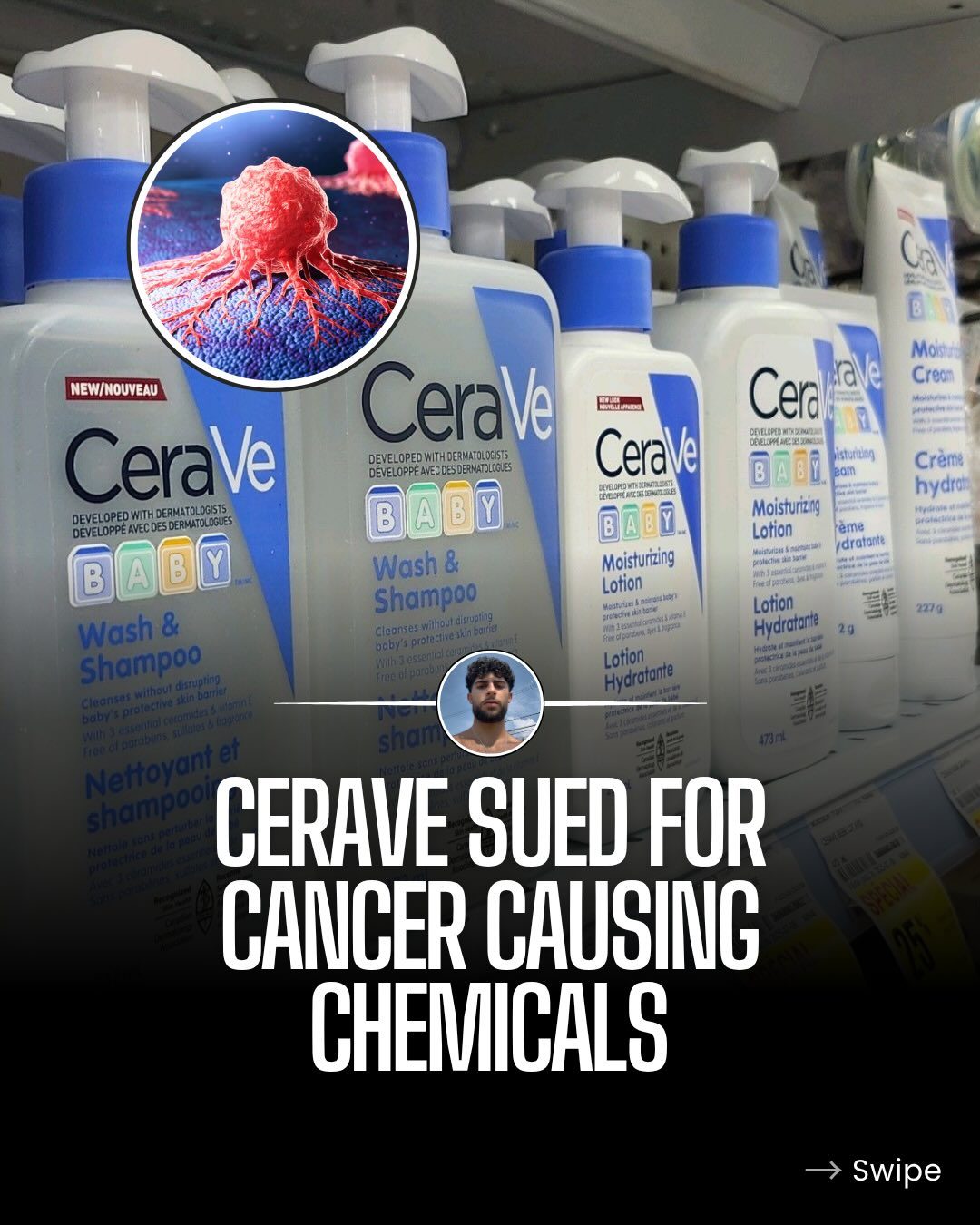
CeraVe Skincare Products: Current Safety Concerns and Legal Actions
CeraVe, a brand developed with dermatologists and renowned for its skincare products, is currently under scrutiny due to allegations regarding a cancer-causing chemical—benzene—in some of its products. The controversy centers around two specific products: Acne Foaming Cream Cleanser and Acne Foaming Cream Wash. Both products contain benzoyl peroxide, an ingredient that has been shown to break down into benzene under certain conditions.
Why This Matters
The potential presence of benzene in widely used skincare products raises significant concerns for consumers. Benzene is a known human carcinogen, meaning it causes cancer in humans. The situation is particularly alarming because CeraVe is the most recommended skincare brand in America, and the products in question are still available on the market despite the potential risks.
Benzene and Benzoyl Peroxide: A Dangerous Combination
Understanding Benzene
Benzene is a Group 1 human carcinogen, which means it is known to cause cancer in humans. The Environmental Protection Agency (EPA) has classified benzene as a human carcinogen, noting that exposure can lead to various forms of cancer, including leukemia, non-Hodgkin’s lymphoma, and multiple myeloma. Benzene is known to be present in the environment and can be a byproduct of industrial processes, but it has no role in skincare products.
Benzoyl Peroxide and Its Breakdown
The chemical in question, benzoyl peroxide, is commonly used in acne treatments because of its ability to kill bacteria and reduce inflammation. However, benzoyl peroxide is unstable and can break down into benzene, especially when exposed to heat. This makes it particularly problematic in skincare products, as these are often stored in warm environments like bathrooms, cars, and warehouses, or even just at human body temperature.
Benzene Exposure Levels
The potential health risks associated with benzene are exacerbated by the fact that there is no safe level of benzene exposure. Yale University researchers conducted lab tests on CeraVe’s cleansers, finding that these products tested at 5 to 12 parts per million (ppm) of benzene. The FDA’s limit for benzene in products is 2 ppm, meaning CeraVe’s products exceed this threshold by up to 6 times.
The Lawsuits
Currently, CeraVe is facing six federal lawsuits related to the potential presence of benzene in its products. The lawsuits allege that the brand has failed to adequately warn consumers about the risks associated with benzene exposure, which can lead to serious health issues. This lack of transparency and immediate recall has left consumers in a precarious position, unaware of the potential hazards they might be exposing themselves to.
What Consumers Need to Know
Are CeraVe Products Safe to Use?
Given the ongoing legal actions and the presence of benzene in some CeraVe products, it is crucial for consumers to be informed. Benzene is not a naturally occurring ingredient in skincare products; its presence suggests a breakdown of benzoyl peroxide. The potential risks associated with benzene exposure are significant, and the fact that CeraVe's products exceed the FDA’s limit for benzene is particularly concerning. If you are using CeraVe products, especially the Acne Foaming Cream Cleanser and Acne Foaming Cream Wash, it might be wise to discontinue their use until more information is available.
What Should Consumers Do?
If you have been using CeraVe products and are concerned about benzene exposure, consider the following steps:
- Discontinue Use: Temporarily stop using the CeraVe products in question.
- Seek Alternatives: Look for alternative skincare products that do not contain benzoyl peroxide or any known carcinogens.
- Consult a Healthcare Provider: If you have been using these products regularly, consult a healthcare provider for further guidance.
- Stay Informed: Keep an eye on updates from regulatory authorities and the brand. The situation is evolving, and new information may become available.
Practical Tips
Choosing Safe Skincare Products
When selecting skincare products, consider the following tips to ensure safety:
- Read Labels Carefully: Look for products that do not contain benzoyl peroxide or other potentially harmful ingredients.
- Check for Safety Certifications: Opt for products that have been certified by reputable organizations, such as the FDA or dermatologists.
- Avoid Unnecessary Ingredients: Choose products with fewer ingredients to minimize the risk of exposure to harmful substances.
- Stay Updated on Recalls: Keep an eye on recalls and safety alerts from regulatory bodies and product manufacturers.
Reporting Concerns
If you have concerns about a specific product, take the following steps:
- Contact the Manufacturer: Reach out to the company to report your concerns and seek clarification.
- File a Report: Report your concerns to the FDA or other relevant regulatory authorities.
- Share Your Experience: Share your experience on online forums and review sites to help others make informed decisions.
Important Takeaways
- Benzene in Skincare Products: Benzene, a known carcinogen, has been found in some CeraVe products, particularly those containing benzoyl peroxide.
- Legal Actions: CeraVe is facing six federal lawsuits due to the potential health risks associated with benzene exposure.
- Consumer Awareness: Consumers need to be proactive in staying informed and seeking alternatives to potentially harmful products.
- Product Safety: There is no safe level of benzene exposure, and it is crucial to use skincare products that have been thoroughly tested for safety.
Conclusion
The controversy surrounding CeraVe's skincare products highlights the importance of vigilance when it comes to personal care items. While the brand has long been a trusted name in the skincare industry, the recent findings regarding benzene in their products serve as a reminder to always be informed and cautious. By taking the necessary precautions and staying updated on the latest safety information, consumers can protect themselves and their families from potential health risks.
Watch the Reel
Questions readers ask
What are the specific CeraVe products involved in the benzene contamination lawsuits?
The CeraVe products currently facing lawsuits due to potential benzene contamination are the Acne Foaming Cream Cleanser and the Acne Foaming Cream Wash. These products are under scrutiny because they contain benzoyl peroxide, which can degrade into benzene under certain circumstances.
What is the risk associated with benzene in skincare products?
Benzene is a known carcinogen, meaning it can cause cancer in humans. The presence of benzene in skincare products like those from CeraVe raises serious health concerns for consumers, as long-term exposure to this chemical can increase the risk of developing cancer.
Why does benzoyl peroxide in CeraVe products pose a potential risk?
Benzoyl peroxide is an ingredient in CeraVe's Acne Foaming Cream Cleanser and Acne Foaming Cream Wash. Under certain conditions, benzoyl peroxide can break down and form benzene, a known carcinogen. This breakdown process is the primary concern in the ongoing lawsuits.
What actions have been taken against CeraVe regarding the benzene contamination?
CeraVe is facing multiple lawsuits at both the state and federal levels. These legal actions aim to address the potential health risks posed by benzene contamination in the company's skincare products and to seek compensation for affected consumers.
How can consumers find out if their CeraVe products are affected?
Consumers who have purchased CeraVe Acne Foaming Cream Cleanser or Acne Foaming Cream Wash should check the product labels and lot numbers. It is also advisable to monitor updates from CeraVe and stay informed about any recalls or advisories issued by the company or regulatory authorities.
What should consumers do if they suspect they have been affected by benzene contamination in CeraVe products?
If consumers suspect they have been affected by benzene contamination in CeraVe products, they should consult with a healthcare professional. Additionally, they can document their use of the product, retain the packaging, and consider reaching out to a legal expert to explore their options for participation in potential class-action lawsuits.
What steps is CeraVe taking to address the benzene contamination concerns?
As of now, CeraVe has not released detailed information about specific steps to address the benzene contamination concerns. Consumers should stay informed through official CeraVe communications and regulatory updates. The company may implement measures such as product recalls, reformulations, or enhanced testing procedures to mitigate the risks associated with benzene contamination.
Related deep dives
Similar reads based on topic and creator.



Recent articles
Fresh deep dives from the latest Reels we unpacked.




Comments
Be the first to comment.