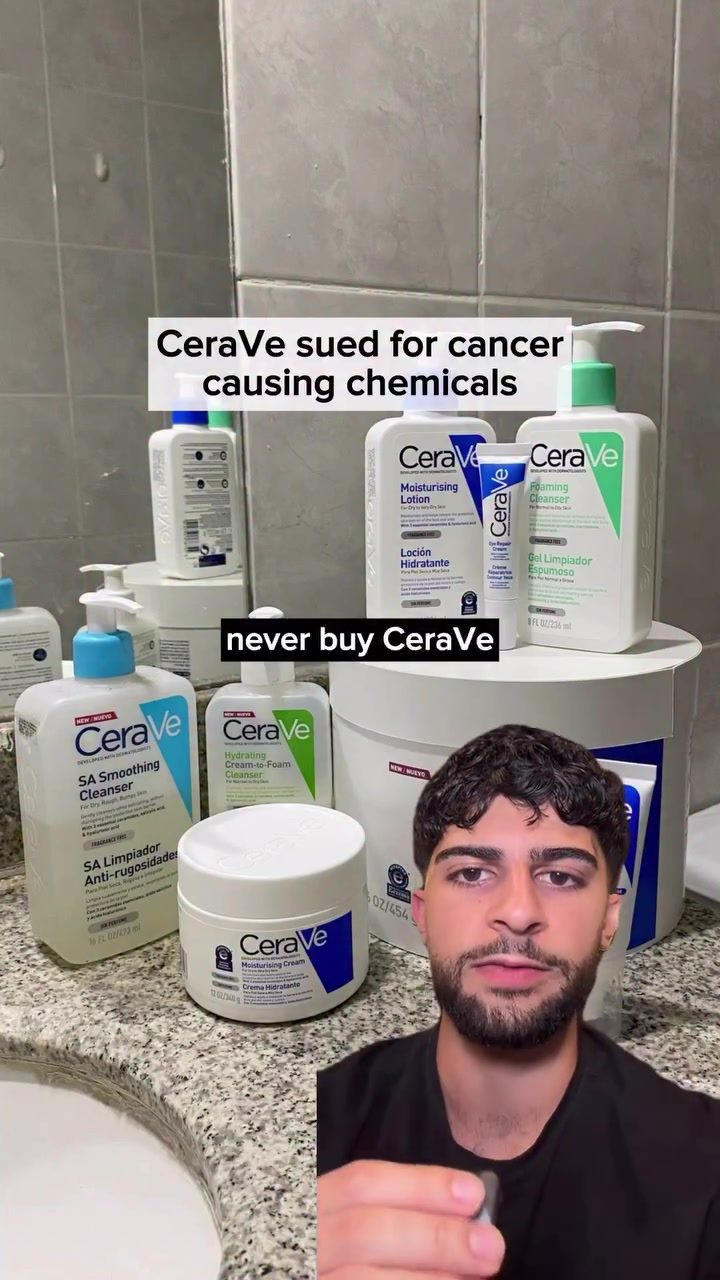
CeraVe Skincare Concerns: Benzene Contamination and Lawsuits
Skincare products are a staple in many people’s daily routines, offering solutions for a variety of skin issues. However, recent concerns have been raised about the popular skincare brand CeraVe, which is currently facing scrutiny due to the presence of benzene, a known carcinogen, in some of its products.
What's at Stake
The issue at hand is the potential health risks posed by benzene contamination in CeraVe skincare products. Benzene, a Group 1 human carcinogen, is linked to serious health issues such as leukemia and non-Hodgkin lymphoma. This contamination has led to federal lawsuits against CeraVe, raising questions about the safety of these widely-used products.
Benzene in Skincare: The Facts
Understanding Benzene
Benzene is a chemical compound that is classified as a Group 1 human carcinogen by the International Agency for Research on Cancer (IARC). This means it is known to cause cancer in humans. Benzene can be found in various products, including some skincare items, and it is often a byproduct of other chemicals, such as benzoyl peroxide.
Benzoyl Peroxide and Benzene
Benzoyl peroxide is a common ingredient in acne treatments, including many CeraVe products. However, benzoyl peroxide is unstable and can easily break down into benzene when exposed to heat or light. This breakdown can occur in various environments, such as a warm bathroom after a shower, a car on a summer day, or even at human body temperature.
The CeraVe Products in Question
The CeraVe products specifically mentioned in the lawsuits include the Acne Foaming Cream Cleanser and Acne Foaming Cream Wash, both of which contain benzoyl peroxide. These products have been found to contain benzene levels ranging from 5 to 12 parts per million (ppm), which is significantly higher than the FDA’s limit of 2 ppm.
The Legal Battle
Federal Lawsuits
CeraVe is currently facing six federal lawsuits related to benzene contamination in its products. These lawsuits allege that the company is aware of the carcinogenic risks associated with benzene and has failed to adequately warn consumers or recall the affected products. The legal action highlights the severity of the issue and the potential health risks to consumers.
Yale University Research
Researchers at Yale University have conducted lab tests on CeraVe’s cleansers, confirming the presence of benzene. The findings support the claims made in the lawsuits, showing that these products contain benzene levels up to six times the federal threshold. Despite these findings, CeraVe has not issued a recall or added a label warning about the potential risks.
Alternatives and Precautions
Switching to Natural Alternatives
Given the concerns about benzene contamination, many consumers are opting for natural skincare alternatives. Natural products are often free from harsh chemicals and synthetic ingredients, making them a safer choice for those worried about potential health risks.
Using the Scout App
The Scout App, as mentioned in the video, is a helpful tool for scanning skincare products and identifying potential toxins. By using this app, consumers can make more informed decisions about the products they use, ensuring they are not exposed to harmful chemicals.
Important Takeaways
- Benzene Contamination: CeraVe products, particularly the Acne Foaming Cream Cleanser and Acne Foaming Cream Wash, have been found to contain benzene, a known carcinogen.
- Legal Action: CeraVe is facing federal lawsuits related to benzene contamination, highlighting the potential health risks to consumers.
- No Recall or Warning: Despite the findings, CeraVe has not issued a recall or added a label warning about the presence of benzene in their products.
- Alternatives: Consumers are encouraged to switch to natural skincare alternatives and use tools like the Scout App to scan products for toxins.
Conclusion
The concerns surrounding benzene contamination in CeraVe skincare products underscore the importance of being informed about the ingredients in the products we use. While CeraVe has long been a popular and recommended brand in the skincare sector, the current legal battles and health risks warrant a closer look. By opting for natural alternatives and using apps like Scout, consumers can take proactive steps to protect their health. Always prioritize safety and well-being when choosing skincare products.
Watch the Reel
Questions readers ask
What is benzene and why is it dangerous in skincare products?
Benzene is a volatile organic compound that is classified as a Group 1 human carcinogen by the International Agency for Research on Cancer. It is dangerous in skincare products because long-term exposure can lead to serious health issues, including leukemia and non-Hodgkin lymphoma. Even low levels of benzene can pose significant health risks over time.
Which CeraVe products have been identified with benzene contamination?
The contamination has been primarily identified in CeraVe's acne treatments, specifically the foaming cleanser and peroxide treatments. However, it is important to check product recalls and updates from the manufacturer, as the list of affected items may expand.
What are the symptoms of benzene exposure through skincare products?
Symptoms and health impacts of benzene exposure through skincare products are subtle and can manifest over time. These can include fatigue, dizziness, headaches, and shortness of breath. Chronic exposure may lead to severe blood disorders and various forms of cancer. If you suspect you have been exposed, it is crucial to consult a healthcare professional.
What should I do if I have used the affected CeraVe products?
If you have used the affected CeraVe products, monitor your health for any unusual symptoms. Consider consulting a healthcare professional to discuss your concerns, especially if you have used these products over an extended period. Additionally, avoid further use of any recalled or affected CeraVe products and consider reaching out to a legal professional if you believe you have been harmed.
Are there any other skincare brands affected by benzene contamination?
While benzene contamination in skincare products has been a significant concern with CeraVe, it is not the only brand affected. Other brands have also faced similar issues. It is essential to stay informed about recalls and contaminants in skincare products by regularly checking updates from reputable sources and the manufacturer.
What actions has CeraVe taken in response to the benzene contamination issues?
CeraVe has faced multiple lawsuits and has issued recalls for the contaminated products. However, specific details of the actions they have taken in response to these issues may vary and should be checked directly on their official website or through reliable news sources. Additionally, they may have taken steps to reassure the public about their quality control processes.
Are there any alternatives to CeraVe products that are safe from benzene contamination?
There are many alternatives to CeraVe products, and it's crucial to choose products from reputable brands that adhere to strict quality control measures. Opt for products specifically labeled as benzene-free and look for third-party certifications that verify the absence of harmful contaminants. Always check the ingredient list and product recalls before purchasing.
Related deep dives
Similar reads based on topic and creator.



Recent articles
Fresh deep dives from the latest Reels we unpacked.




Comments
Be the first to comment.