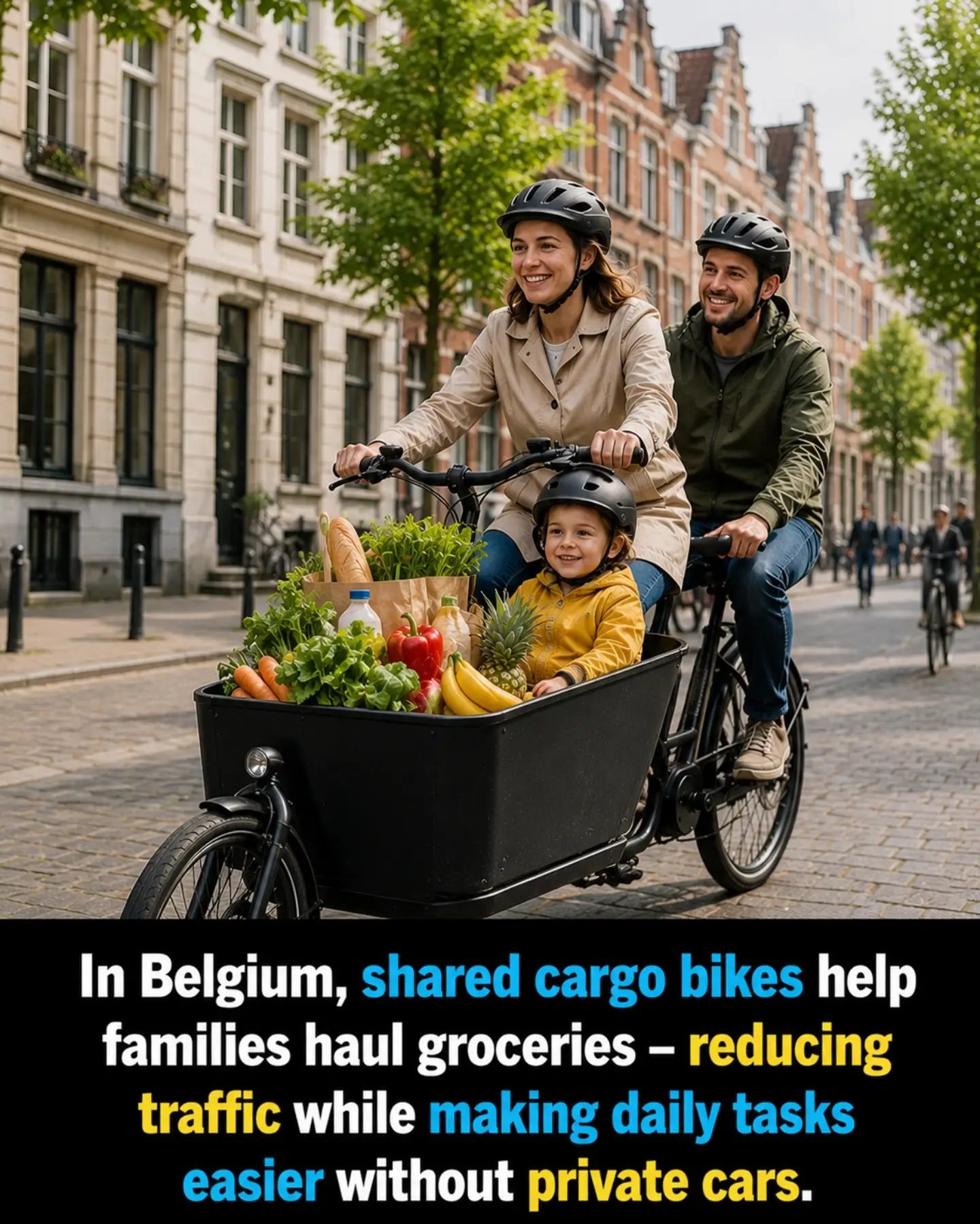
Cargo Bikes in Belgium: A Sustainable Solution for Urban Families
Cargo bikes, particularly those available for shared use, have emerged as a practical and eco-friendly mode of transportation in urban areas. In Belgium, these versatile bikes are not just a trend but a significant part of the daily routine for many families. They offer a unique blend of convenience and sustainability, making them an attractive alternative to private cars for various tasks, especially grocery shopping and commuting.
Why Cargo Bikes Matter
In densely populated urban areas, traffic congestion is a persistent issue. Cargo bikes present a viable solution to this problem. They help reduce the number of cars on the road, thereby decreasing traffic and contributing to a cleaner environment. Additionally, they provide a means for families to transport groceries and other essentials without the need for a private car, making daily tasks more manageable.
Environmental Impact
Cargo bikes significantly lower carbon emissions compared to traditional vehicles. By opting for a cargo bike, families can reduce their carbon footprint, contributing to a greener city. This shift is particularly beneficial in urban areas where air pollution from vehicle emissions is a major concern. Cargo bikes, being pedal-powered, do not emit any pollutants, making them an eco-friendly choice.
Economic Benefits
For families, cargo bikes offer an economical solution. The cost of maintaining a cargo bike is considerably lower than that of a car. With no fuel costs and minimal maintenance, they are a cost-effective means of transportation, particularly for short-distance trips. This financial advantage can be crucial for families looking to save on transportation expenses.
Main Discussion
Design and Features
Cargo bikes come in various designs, but they all share a common feature: a large front basket or rear platform that can carry significant weight. This design allows families to transport a variety of items, from groceries to children, with ease. The bikes are typically equipped with sturdy frames and robust tires, ensuring stability and durability. This makes them suitable for navigating urban streets and carrying heavy loads.
Safety and Comfort
Safety is a paramount concern, especially when children are involved. Many cargo bikes are designed with safety features such as reflective surfaces, sturdy child seats, and reliable brakes. Some models also come with canopy covers, which provide protection from the elements. For parents, knowing that their child is secure is a priority, and cargo bikes address this need effectively.
The comfort factor is another significant advantage. Unlike standard bikes, cargo bikes are designed with additional support, such as ergonomic seats and handlebars, which make them easier to ride. This ensures that the journey, whether short or long, is comfortable for everyone involved.
Shared Cargo Bikes: A Belgian Innovation
Belgium stands out as a leader in the shared cargo bike movement. The country has implemented a system where families can easily access cargo bikes for their daily needs. This initiative not only promotes sustainable living but also fosters a sense of community. Families can share the bikes, reducing the overall need for personal vehicles and promoting a collaborative mindset.
Benefits for Urban Living
For city dwellers, cargo bikes provide a convenient and efficient way to navigate urban landscapes. They can carry a significant amount of weight, making them perfect for grocery runs, school trips, or even carrying smaller children. This versatility is a boon for families who need to juggle multiple tasks within a short time frame.
Practical Tips for Using Cargo Bikes
Choosing the Right Bike
When selecting a cargo bike, consider the specific needs of your family. If you often carry children, a bike with a sturdy child seat and safety features is essential. For those primarily using the bike for grocery shopping, a model with a large front basket is ideal. Additionally, consider the terrain and distance you typically cover, as this will influence the type of bike and features you need.
Safety Measures
Always ensure that your cargo bike is in good condition. Regular maintenance checks, including tire pressure, brakes, and gear functionality, are crucial. Wear a helmet and ensure that children are properly secured in the child seat. Familiarize yourself with local traffic rules and always use designated bike lanes when available.
Maximizing Efficiency
Plan your route efficiently, especially if you are carrying a significant load. Choose the shortest routes with the least traffic to make your journey smoother. Properly distributing the weight in the cargo area will also enhance stability and ease of riding.
Important Takeaways
Cargo bikes are more than just a mode of transportation; they represent a sustainable, efficient, and community-centric approach to urban living. In Belgium, the adoption of shared cargo bikes showcases how families can reduce their carbon footprint, save on transportation costs, and simplify daily tasks. The design and safety features of cargo bikes make them a reliable and comfortable choice for families, while the economic and environmental benefits make them a practical solution for urban congestion and pollution.
Conclusion
Cargo bikes offer a sustainable and efficient way for families to navigate urban environments. In Belgium, the shared cargo bike initiative highlights the potential of these versatile vehicles to reduce traffic, lower emissions, and make daily tasks easier. By choosing a cargo bike, families can enjoy the benefits of a greener, more economical, and community-oriented lifestyle. The combination of convenience, sustainability, and economic viability makes cargo bikes an attractive option for urban living.
Watch the Reel
Questions readers ask
What are cargo bikes and how do they benefit families in Belgium?
Cargo bikes are bicycles specifically designed to transport heavy loads. In Belgium, they benefit families by providing a sustainable and convenient way to handle daily tasks, like grocery shopping and commuting, helping to reduce reliance on private cars.
How do cargo bikes contribute to reducing traffic congestion in Belgium?
Cargo bikes help alleviate traffic congestion by offering an alternative to private cars. By carrying significant loads, they reduce the number of vehicles on the road, especially in densely populated urban areas.
Are there shared cargo bike programs available in Belgium?
Yes, there are shared cargo bike programs. These programs make cargo bikes accessible to more families. They can be a convenient option for those who don't want to purchase a cargo bike but still wish to enjoy the benefits.
What types of tasks can cargo bikes handle for families in Belgium?
Cargo bikes can handle a variety of tasks, including grocery shopping, transporting children, and commuting. Their design allows for significant loads, making them a versatile option for daily activities.
How do cargo bikes help in reducing carbon emissions in Belgium?
By providing a sustainable alternative to private cars, cargo bikes help reduce carbon emissions. They lower the number of vehicles on the road, contributing to a cleaner environment and promoting eco-friendly transport.
What makes cargo bikes a cost-effective option for families in Belgium?
Cargo bikes are a cost-effective option because they reduce the need for a second car, lowering fuel and maintenance costs. Additionally, they can be a practical solution for shared family transport.
Can cargo bikes be used for daily commuting in Belgium's urban areas?
Yes, cargo bikes are an excellent option for daily commuting in urban areas. They offer a convenient and eco-friendly way to travel, helping to reduce traffic and carbon emissions while providing a healthy form of transport.
Related deep dives
Similar reads based on topic and creator.



Recent articles
Fresh deep dives from the latest Reels we unpacked.




Comments
Be the first to comment.