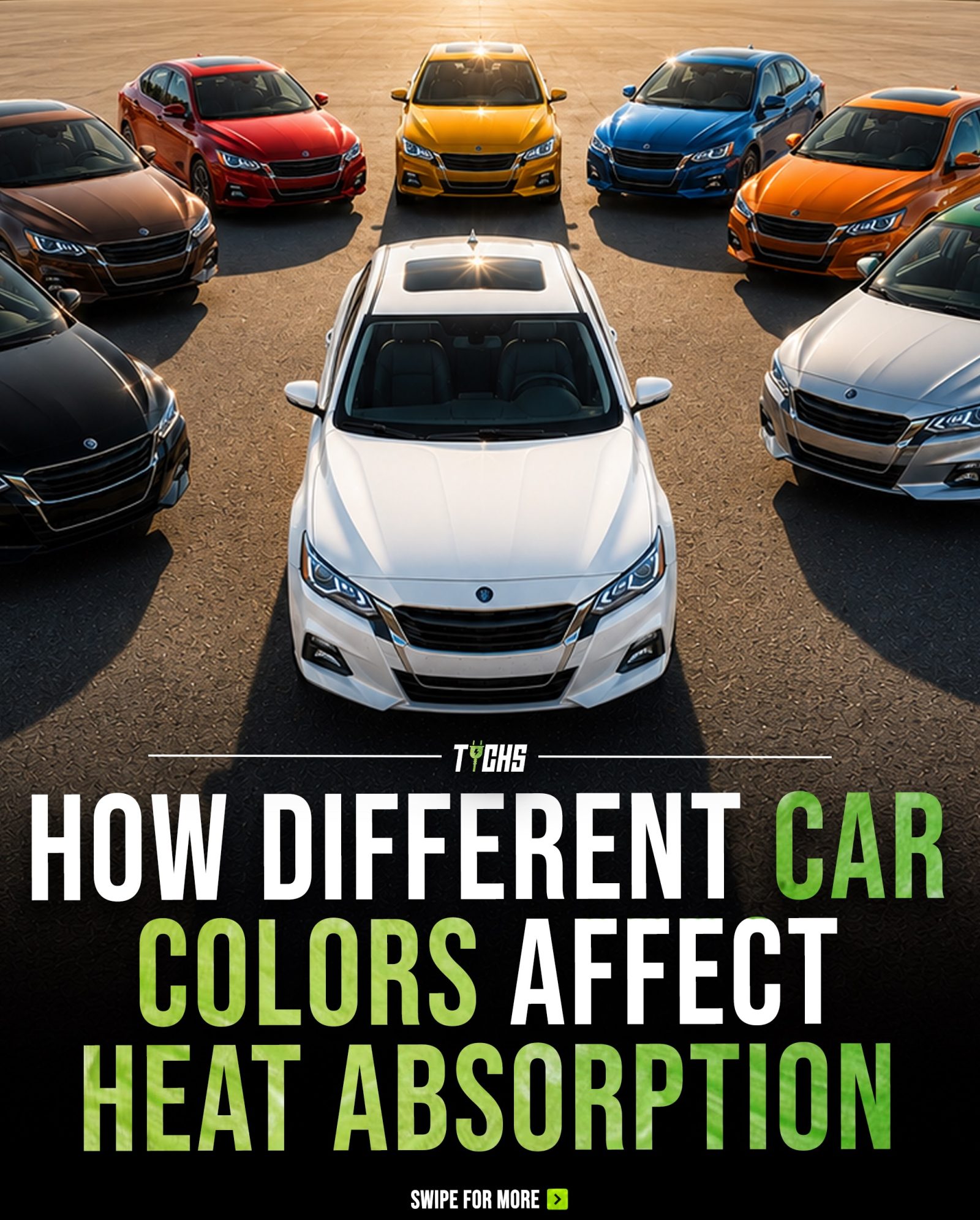
Car Color and Heat Absorption
Car color plays a significant role in how much heat a car absorbs when parked under direct sunlight, directly influencing the interior temperature and overall comfort. This is particularly important during hot summer months when the sun's rays can make the cabin unbearably hot.
Why This Matters
Understanding how different car colors affect heat absorption can help drivers make more informed decisions. Choosing the right color can enhance comfort, reduce the need for excessive air conditioning, and even impact fuel efficiency. This is especially relevant for those living in hot climates or who frequently park their cars in direct sunlight.
Main Discussion
Understanding Heat Absorption in Cars
When a car is parked in the sun, the color of the paint significantly impacts how much heat the vehicle absorbs. Darker shades like black and brown tend to absorb the most heat, reaching temperatures around 62°C and 56°C, respectively. On the other hand, lighter colors like white reflect more sunlight, keeping the interior cooler.
Different colors fall somewhere in between. For instance, red cars can absorb high levels of heat, reaching up to 51°C on hot sunny days. Silver cars, however, offer a more moderate heat absorption rate, around 47°C, with good sun reflection properties. This balance makes silver a practical choice for those seeking a middle ground between aesthetics and heat management.
The Role of Other Factors
While paint color is a crucial factor, it's not the only one influencing a car's interior temperature. Tinted windows, for example, can reduce the amount of sunlight entering the cabin, helping to keep it cooler. Proper ventilation, whether through natural airflow or an effective air conditioning system, is also essential for maintaining a comfortable temperature inside the car.
Interior materials also play a role. Dark, absorbent materials can trap heat, while lighter, reflective materials can help dissipate it. Additionally, parking in the shade can significantly reduce the amount of heat absorbed by the car, making it more comfortable to enter, especially on hot days.
The Science Behind Color and Heat
The phenomenon of heat absorption by different colors is rooted in the principles of light and energy. Dark colors absorb more light and thus more heat, while lighter colors reflect more light, keeping the surface cooler. This is why white cars are often recommended for hot climates—they reflect the most sunlight and maintain a cooler interior temperature, around 43°C, making them a popular choice for such environments.
Practical Tips
-
Choose a Lighter Color: If you live in a hot climate, consider opting for a lighter color like white, silver, or light gray. These colors absorb less heat and keep the interior cooler.
-
Use Window Tinting: Investing in quality window tinting can significantly reduce the amount of heat entering the car, making it more comfortable, especially on hot days.
-
Install a Sunshade: A sunshade for the windshield can block direct sunlight and prevent the car from heating up when parked. This is a cost-effective way to keep the interior cool.
-
Park in the Shade: Whenever possible, park your car in shaded areas. This simple step can make a big difference in the car's interior temperature.
-
Ventilate Properly: Ensure your car's ventilation system is in good working condition. Proper airflow can help dissipate heat quickly, making the car more comfortable.
-
Consider Interior Materials: When choosing or upgrading your car's interior, opt for lighter, reflective materials that can help manage heat more effectively.
Important Takeaways
-
Dark Shades Absorb More Heat: Black and brown cars absorb the most heat, making them less comfortable in hot weather.
-
Lighter Shades Reflect Heat: White cars are the coolest, reflecting the most sunlight and maintaining a cooler interior.
-
Silver is a Middle Ground: Silver cars offer a good balance between aesthetics and heat management, making them a practical choice.
-
Other Factors Matter: Tinted windows, ventilation, interior materials, and parking in the shade also play crucial roles in maintaining a comfortable car interior.
Conclusion
The color of your car does more than just affect its appearance; it also influences how much heat the surface absorbs when parked under direct sunlight. By understanding how different colors affect heat absorption, drivers can make more informed decisions to enhance their comfort and overall driving experience. Choosing a lighter color, using window tinting, installing a sunshade, parking in the shade, and ensuring proper ventilation are all practical steps that can help keep your car cool and comfortable, even on the hottest days.
Watch the Reel
Questions readers ask
Which car colors absorb the most heat?
Dark colors like black, red, and dark blue absorb the most heat from sunlight. These colors absorb a broader spectrum of light, making the vehicle's interior notably hotter under direct sunlight.
How does a silver car compare to a black car in terms of heat absorption?
A silver car typically absorbs less heat than a black car. Silver reflects more light, which helps to keep the interior cooler, especially in sunny conditions.
Can choosing a specific car color improve fuel efficiency?
Yes, choosing a car color that absorbs less heat can improve fuel efficiency. A cooler interior means less need for air conditioning, which reduces the load on the engine and saves fuel.
What are the coolest car colors for hot climates?
The coolest car colors for hot climates are typically light and metallic shades, such as white, silver, and light grey. These colors reflect more sunlight, reducing the amount of heat absorbed by the vehicle.
How does car color affect air conditioning use?
A car color that absorbs less heat can significantly reduce air conditioning use. By keeping the interior cooler, drivers can rely less on air conditioning, leading to cost savings and reduced wear on the vehicle's cooling system.
Why do black cars get hotter in the sun?
Black cars get hotter in the sun because black absorbs almost all wavelengths of light, converting them into heat. This phenomenon causes the interior of a black car to heat up more quickly and to higher temperatures than lighter-colored cars.
Related deep dives
Similar reads based on topic and creator.




Recent articles
Fresh deep dives from the latest Reels we unpacked.




Comments
Be the first to comment.