Capsaicin and Melanoma
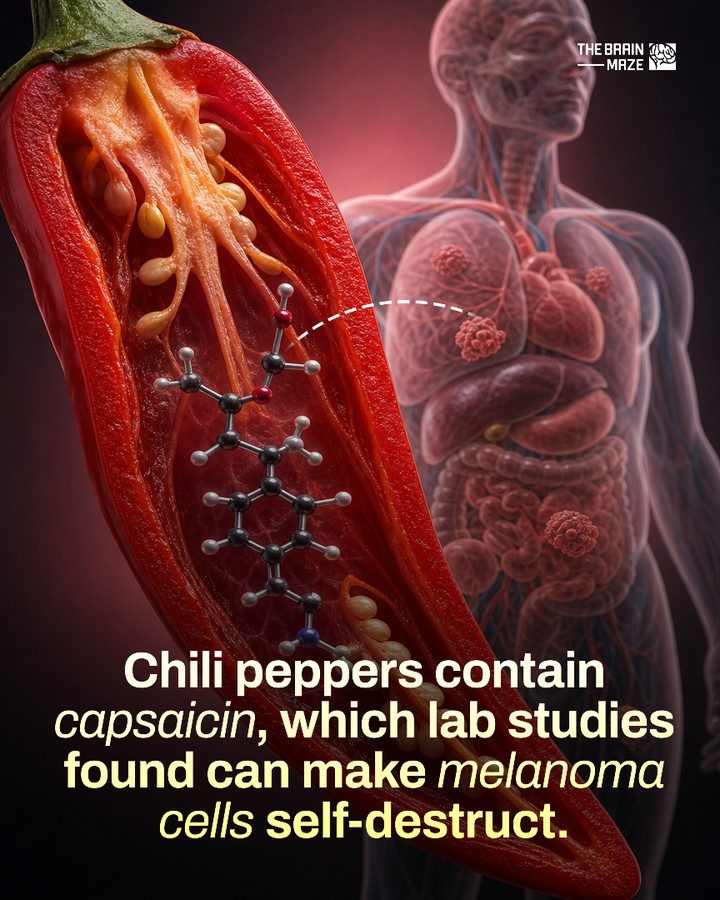
Capsaicin, the natural compound responsible for the heat in chili peppers, has garnered significant attention due to its potential effects on melanoma cells. Laboratory studies have demonstrated that capsaicin can induce programmed cell death, or apoptosis, in melanoma cells. While these findings are encouraging, they are based on cell and animal research and have not yet been proven as a viable treatment for melanoma in humans.
Why This Matters
Melanoma, a type of skin cancer, is one of the most dangerous forms of cancer due to its ability to metastasize quickly. Traditional treatments, such as surgery, chemotherapy, and immunotherapy, have shown varying levels of effectiveness, but the search for new and more potent therapies continues. The potential of capsaicin to trigger cell death in melanoma cells opens up a new avenue for research and treatment options.
The Science of Capsaicin and Melanoma
Understanding Capsaicin
Capsaicin is a potent irritant found in chili peppers, especially in the membranes and seeds. It is classified as a chemical irritant and is responsible for the burning sensation experienced when consuming spicy foods. This compound is also known for its use in pepper sprays and topical pain relievers, which suggests its potential to interact with biological systems in significant ways.
Capsaicin and Apoptosis
Apoptosis, or programmed cell death, is a natural process that plays a crucial role in maintaining the health of multicellular organisms. During apoptosis, cells undergo a series of controlled events leading to their death and subsequent removal by the immune system. The ability of capsaicin to induce apoptosis in melanoma cells is a promising finding, as it suggests that this compound could potentially be harnessed to target and eliminate cancer cells.
Laboratory Studies
In laboratory settings, capsaicin has been shown to inhibit the growth of melanoma cells by triggering apoptosis. These studies involve culturing melanoma cells in a controlled environment and exposing them to varying concentrations of capsaicin. The results indicate that capsaicin induces the production of reactive oxygen species (ROS) within the cells, which in turn activates the apoptotic pathway. This process leads to the controlled self-destruction of the cancerous cells.
Practical Tips
While capsaicin shows promise in laboratory studies, it is important to note that these findings do not translate directly to human treatments. However, there are several ways to incorporate capsaicin into a healthy lifestyle that may offer general health benefits, albeit not specifically targeting melanoma.
Incorporating Chili Peppers into Your Diet
Chili peppers are a rich source of capsaicin and can be easily incorporated into various dishes. Adding chili peppers to your meals can enhance flavor and potentially provide some of the health benefits associated with capsaicin. Some popular ways to include chili peppers in your diet include:
- Salsas and Sauces: Use fresh or dried chili peppers to make homemade salsas, hot sauces, and chutneys.
- Souvlaki: Add chili peppers to souvlaki recipes for a spicy twist.
- Stir-Fries and Curry Dishes: Incorporate chili peppers into stir-fries, curries, and other spicy dishes.
- Pickling: Pickle chili peppers and use them as a tasty condiment.
Supplementation
Capsaicin supplements are available in the form of capsules and topical creams. However, it is essential to consult a healthcare provider before starting any new supplement regimen. Capsaicin supplements can be beneficial for reducing pain and inflammation, but their effectiveness in treating melanoma has not been established.
Important Takeaways
Capsaicin's potential to induce apoptosis in melanoma cells is a significant finding that warrants further investigation. However, it is crucial to understand that these findings are based on laboratory studies and have not yet been proven in human trials. While incorporating chili peppers into your diet or using capsaicin supplements may offer general health benefits, they should not be considered a treatment for melanoma.
Conclusion
The relationship between capsaicin and melanoma is an exciting area of research with the potential to offer new insights into cancer treatment. By understanding the mechanisms by which capsaicin induces apoptosis in melanoma cells, scientists can develop targeted therapies that may improve outcomes for patients. While the current findings are promising, ongoing research is necessary to translate these laboratory results into viable treatments for humans.
Watch the Reel
Questions readers ask
How does capsaicin affect melanoma cells?
Capsaicin has been shown to induce apoptosis, or programmed cell death, in melanoma cells. This means that it can potentially trigger these cancer cells to self-destruct. The connection between capsaicin and melanoma has been demonstrated in laboratory studies and animal research, although human trials are still needed.
What are the potential benefits of using capsaicin for melanoma treatment?
The primary benefit of using capsaicin for melanoma treatment is its potential to induce cell death in melanoma cells. Traditional treatments can have significant side effects and capsaicin, being a natural compound, may offer a more tolerable alternative. However, it's important to note that while laboratory studies are promising, more research is needed to confirm these benefits in humans.
What types of studies have been conducted on capsaicin and melanoma?
Most studies on capsaicin and melanoma have been conducted in laboratories, using cell and animal research. These studies have demonstrated that capsaicin can cause cell death in melanoma cells. However, human trials have not yet been conducted, so the effects of capsaicin on human melanoma are not yet known.
Why is there interest in using natural compounds like capsaicin for skin cancer treatment?
There is significant interest in using natural compounds for skin cancer treatment due to their potential to offer new avenues for therapy. These compounds may have fewer side effects than traditional treatments, and they can provide a valuable source of new treatment ideas. The connection between these compounds and potential health benefits is being explored in various studies.
Is capsaicin a viable treatment for melanoma in humans?
While capsaicin has shown promising effects in triggering cell death in melanoma cells in laboratory studies, it is not yet considered a viable treatment for human melanoma. The research is still in the early stages, and human trials are necessary to prove its viability. Until these trials are conducted, it is too early to say whether capsaicin is a viable treatment for melanoma in humans.
Are there other health benefits to consuming chili peppers?
Chili peppers, which contain capsaicin, have been studied for a variety of health benefits beyond their potential effects on melanoma. These benefits include pain relief, improved metabolism, and reduced inflammation. However, it is important to note that while these benefits are promising, more research is needed to confirm them in humans.
What is capsaicin?
Capsaicin is a natural compound found in chili peppers that is responsible for their heat. It has been shown to have potential effects on melanoma cells due to its ability to induce programmed cell death. The potential of capsaicin in skin cancer treatment is being explored in laboratory studies, though human trials are still forthcoming.
Related deep dives
Similar reads based on topic and creator.




Recent articles
Fresh deep dives from the latest Reels we unpacked.




Comments
Be the first to comment.