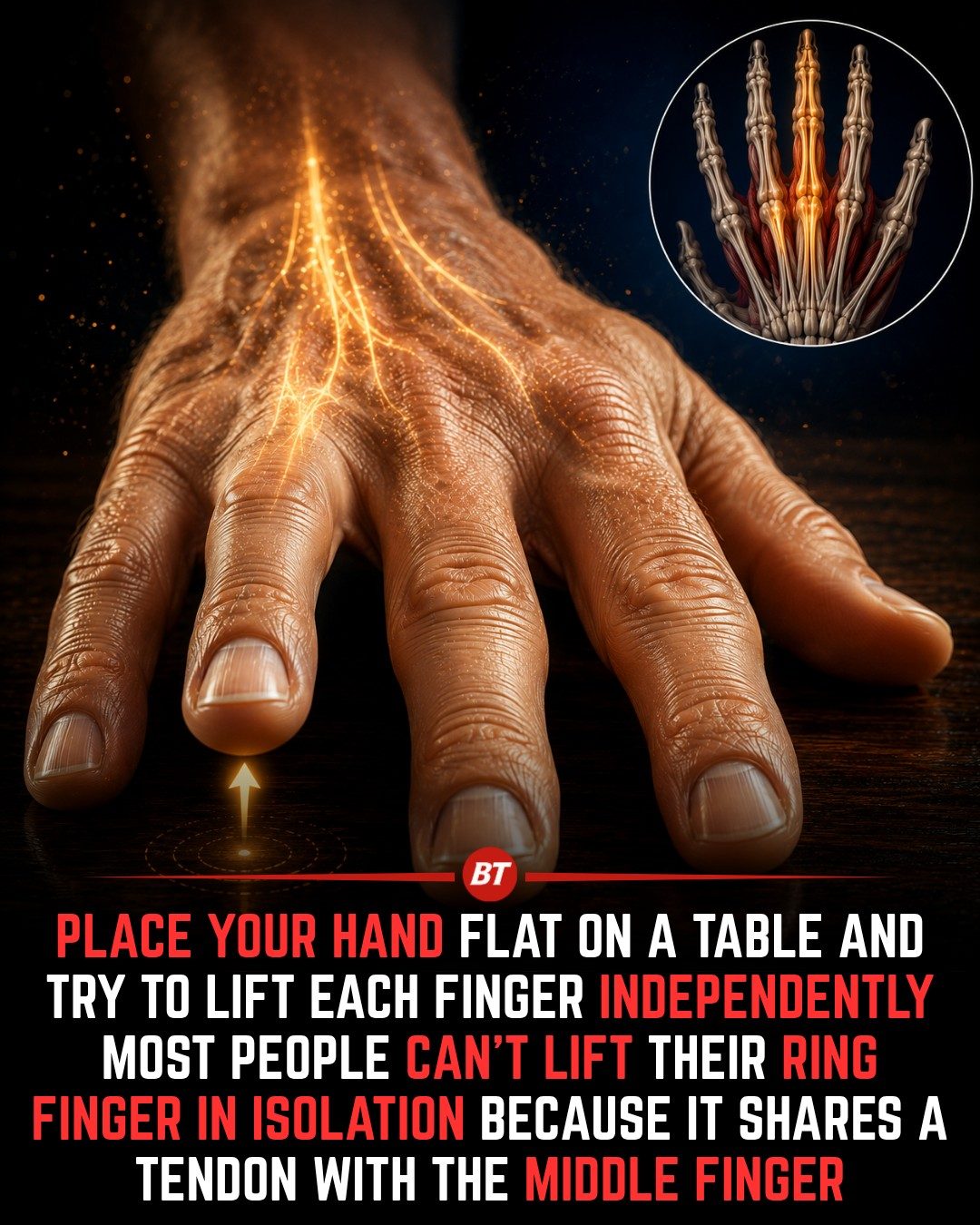
The Remarkable Anatomy of the Ring Finger: Why It's Hard to Move Alone
The ring finger, the third finger on your hand, is a bit of an outlier. Unlike the thumb and index finger, it shares muscles, tendons, and connective tissue with the fingers beside it, making isolated movements much more difficult. This remarkable design of your hand has significant implications for our everyday tasks, particularly those that require fine finger control.
Fine Finger Control: Why It Matters
Fine finger control is crucial for a wide range of activities. From playing musical instruments to performing delicate tasks in surgery, the ability to move each finger independently is a skill that takes years to master. This control is particularly important for tasks that require precision and dexterity, such as threading a needle, typing, or using small tools.
The ring finger is the most challenging to move in isolation. This is because of its intricate biomechanics. The ring finger shares a tendon with the middle finger, which mechanically links their movements. This shared tendon is part of a complex network of flexor and extensor tendons, small hand muscles, and the brain’s motor cortex, all of which work together to control finger movement.
The Role of Neuroscience in Finger Movement
The brain plays a crucial role in controlling finger movements. Studies published in the Journal of Hand Surgery, the Journal of Biomechanics, and Clinical Anatomy reveal that the brain devotes fewer specialized motor pathways to controlling the ring finger independently. This means that the ring finger has less neural control, making it harder to move on its own.
Researchers studying hand biomechanics have found that finger movement depends on a complex interplay of multiple systems. The flexor and extensor tendons, small hand muscles, and the brain's motor cortex all contribute to how well we can control our fingers. The ring finger, in particular, has the least independent movement because its tendons and muscles are more mechanically linked to the middle and little fingers.
Finger Independence and Practice
Although the ring finger is inherently less independent, finger independence can be improved with practice. Musicians, rock climbers, surgeons, and therapists often perform exercises that strengthen the small muscles of the hand. These exercises improve coordination over time through a process called neuroplasticity.
Neuroplasticity: The Brain's Ability to Adapt
Neuroplasticity is the brain’s ability to reorganize itself by forming new neural connections throughout life. Regular practice can help improve hand strength, dexterity, and coordination. By exercising the small muscles of the hand, individuals can enhance their finger independence and overall hand function.
Practical Tips for Improving Finger Control
The Ring Finger Challenge
Try the ring finger challenge to improve your finger coordination. Place your hand flat on a table and slowly lift each finger one at a time while keeping the others down. This exercise may seem simple, but it can significantly improve finger coordination, dexterity, and hand strength with regular practice. Repeat this exercise a few times a day, and you’ll likely see improvements in your finger control.
Strengthening Exercises
Incorporate hand strengthening exercises into your routine to improve finger independence. Exercises such as squeezing a stress ball, using hand grippers, or performing finger stretches can help build the small muscles in your hand. These exercises not only improve strength but also enhance the control and coordination of your fingers.
Important Takeaways
The ring finger’s unique design makes it the hardest finger to move independently. This is due to the shared tendons and muscles with the middle finger and the brain's reduced control over its movements. However, with regular practice and targeted exercises, anyone can improve their finger independence and overall hand function.
Regular hand exercises can significantly improve finger control, which is essential for fine motor tasks. Whether you're a musician, a surgeon, or someone who wants to improve their hand dexterity, understanding and practicing these exercises can make a tangible difference.
Conclusion
The remarkable design of the hand, particularly the ring finger, is a testament to the complexity of human biomechanics. While it may be challenging to move the ring finger independently, understanding its anatomy and practicing specific exercises can help improve finger control. By incorporating hand strengthening exercises into your routine, you can enhance your dexterity, coordination, and overall hand function.
Watch the Reel
Questions readers ask
Why is it difficult to move the ring finger independently?
The ring finger shares muscles, tendons, and connective tissues with neighboring fingers, which makes it challenging to isolate its movement. This unique anatomy is responsible for the difficulty in moving the ring finger alone.
Which muscles are responsible for ring finger movement?
The ring finger is primarily controlled by the flexor digitorum superficialis and flexor digitorum profundus muscles. These muscles also control the movements of the middle, index, and little fingers.
What are some exercises to improve ring finger mobility?
To enhance ring finger mobility, try finger isolation techniques. For example, lay your hand flat on a table, and attempt to gently lift only your ring finger while keeping the other fingers still. Additionally, finger control exercises, such as picking up small objects with only the ring finger, can help improve dexterity.
How does the anatomy of the ring finger affect playing musical instruments?
The shared muscles and tendons of the ring finger can make it more difficult to play certain notes or chords, particularly on instruments like the piano or guitar. Musicians often need to develop specific techniques to compensate for this lack of independent movement.
Can performing surgeries be affected by limited ring finger mobility?
Yes, surgeons rely heavily on fine finger control and dexterity. Limited ring finger mobility can make it challenging to perform precise tasks, such as suturing or manipulating surgical instruments. Surgeons often train extensively to develop the necessary finger skills.
What are some tips to improve hand muscle coordination?
Practicing finger isolation exercises, such as trying to touch each fingertip to the base of the thumb while keeping the other fingers straight, can help improve hand muscle coordination. Additionally, activities like playing musical instruments or engaging in tasks that require fine motor skills can enhance overall hand coordination.
Related deep dives
Similar reads based on topic and creator.




Recent articles
Fresh deep dives from the latest Reels we unpacked.




Comments
Be the first to comment.