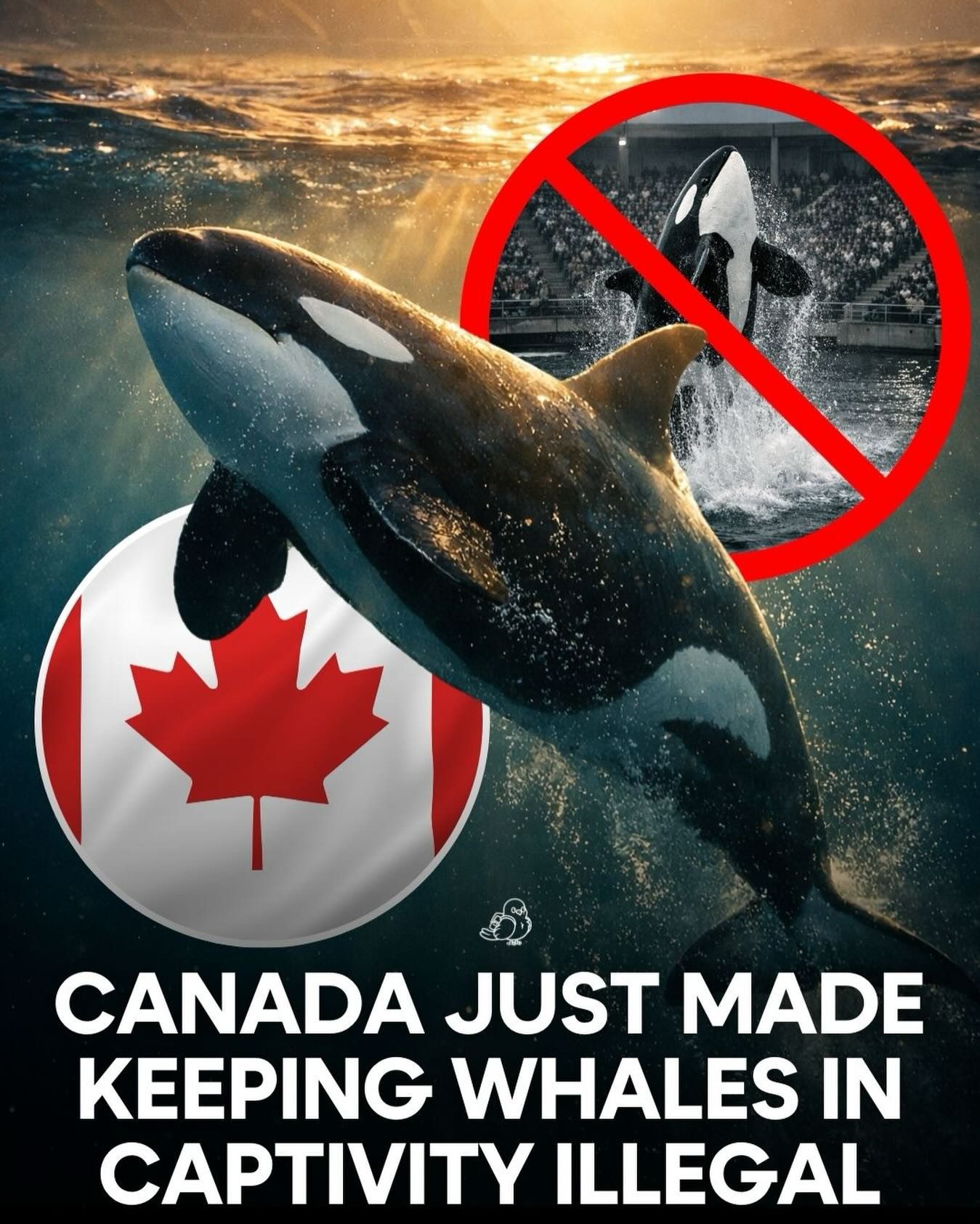
Whale Conservation in Canada: A Milestone for Animal Welfare
Canada's decision to ban keeping whales and dolphins in captivity marks a significant turning point in animal welfare and conservation efforts. In 2019, the country enacted the Ending the Captivity of Whales and Dolphins Act, making it illegal to capture, breed, or hold new cetaceans for entertainment purposes. This legislation, passed under former Prime Minister Justin Trudeau, has far-reaching implications for marine parks and animal welfare advocates worldwide.
Context / Why this Matters
The ban on cetacean captivity for entertainment is a landmark moment for animal welfare. Highly intelligent marine mammals such as whales, dolphins, and porpoises deserve to live in their natural habitats, free from the constraints of performance tanks. This legislative change underscores Canada's commitment to protecting marine life and promoting ethical treatment of animals.
Main Discussion
The Ending the Captivity of Whales and Dolphins Act
The Ending the Captivity of Whales and Dolphins Act is a comprehensive piece of legislation designed to protect cetaceans from being held in captivity for entertainment. The law prohibits the capture, breeding, and holding of new cetaceans for display or performance purposes. Existing facilities like Marineland, which already have whales and dolphins in their possession, are allowed to continue caring for these animals but cannot acquire new ones for display. This act ensures that no new cetaceans will be subjected to life in captivity for the purpose of entertainment.
Impact on Marine Parks
Marine parks in Canada, such as Marineland, face significant changes due to this legislation. While they can still care for the animals already in their possession, they are no longer permitted to acquire or breed new cetaceans. This shift forces marine parks to rethink their business models and focus more on conservation and education rather than entertainment. Some parks may choose to close, while others may transform into educational centers or marine conservation facilities.
International Precedent
Canada's ban on cetacean captivity sets a global precedent. It joins a small but growing list of countries and regions that have implemented similar bans, including Costa Rica, Chile, and certain states in the United States. These bans reflect a broader international movement towards recognizing the ethical implications of keeping highly intelligent marine mammals in captivity for entertainment purposes. The ban also encourages other countries to consider similar legislation, promoting a more compassionate and ethical approach to marine life.
Practical Tips
For those interested in supporting whale conservation and promoting animal welfare, there are several practical steps you can take:
-
Stay Informed: Keep up-to-date with the latest developments in marine conservation and animal welfare. Websites and organizations dedicated to marine life and animal rights provide valuable resources and updates on current issues and legislation.
-
Support Conservation Organizations: Donate to or volunteer with organizations that work towards ending whale captivity and promoting marine conservation. Your support can help fund research, advocacy, and on-the-ground conservation efforts.
-
Advocate for Change: Engage with your local representatives and advocate for legislation that protects marine life. Share your concerns and support for animal welfare with policymakers and encourage them to take action.
-
Choose Responsible Ecotourism: If you plan to visit marine parks or engage in wildlife tourism, opt for responsible ecotourism options. Support facilities that prioritize animal welfare and conservation over entertainment.
Important Takeaways
The ban on keeping whales and dolphins in captivity in Canada is a significant victory for animal welfare. It underscores the importance of ethical treatment of marine life and sets a global precedent for other countries to follow. By supporting this legislation and promoting responsible conservation practices, we can work towards a future where highly intelligent marine mammals are free to live in their natural habitats.
Conclusion
Canada's decision to ban the captivity of whales and dolphins for entertainment is a groundbreaking step in the fight for animal welfare and marine conservation. This legislation not only protects these highly intelligent marine mammals but also sets a global precedent for ethical treatment of animals. By staying informed, supporting conservation efforts, and advocating for change, we can all play a role in promoting a more compassionate and sustainable future for marine life.
Watch the Reel
Questions readers ask
What types of marine animals does the Canadian ban on captivity apply to?
The Canadian ban on captivity applies to cetaceans, which include whales, dolphins, and porpoises. This legislation specifically targets these highly intelligent marine mammals, aiming to prevent their capture, breeding, and holding for entertainment purposes.
When and how was the ban on whale and dolphin captivity enacted in Canada?
The ban on whale and dolphin captivity in Canada was enacted through the *Ending the Captivity of Whales and Dolphins Act*, which was passed in 2019. The legislation was signed into law under the leadership of former Prime Minister Justin Trudeau.
What activities are prohibited under the Canadian cetacean captivity ban?
The Canadian cetacean captivity ban prohibits the capture of new cetaceans from the wild, their breeding in captivity, and the holding of these animals for display or performance purposes. This means no new cetaceans can be added to Canadian marine parks for entertainment.
How does the Canadian ban impact existing cetaceans in captivity?
The Canadian ban does not immediately release existing cetaceans in captivity. It specifically prohibits the capture, breeding, and holding of new cetaceans, but the law makes provisions for the existing cetaceans to live out their lives in sanctuaries or other acceptable environments.
What are the implications of Canada's cetacean captivity ban for global animal welfare?
Canada's ban sets a significant global precedent for marine animal welfare and ethical treatment. Marine parks and animal welfare advocates worldwide are encouraged to push for similar legislation, reflecting a growing international awareness of the importance of cetacean welfare and conservation.
Recent articles
Fresh deep dives from the latest Reels we unpacked.




Comments
Be the first to comment.