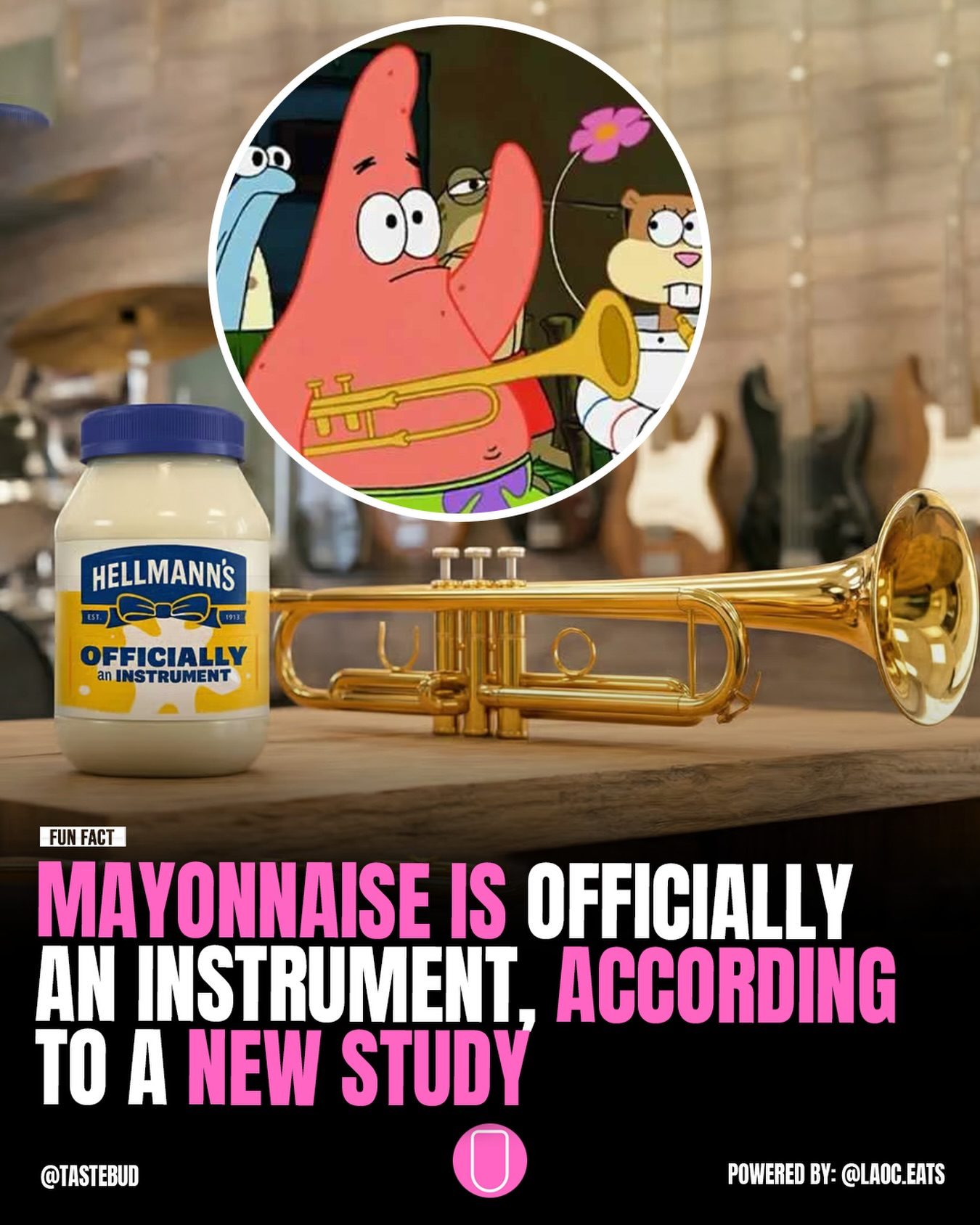
Mayonnaise as an Instrument
Hellmann's mayonnaise, a staple in many kitchens, has recently gained an unexpected title: musical instrument. Researchers from Northumbria University have found that substances like mayonnaise can technically function as musical instruments. This revelation challenges traditional notions of what constitutes an instrument, expanding the definition to include anything capable of producing sound.
Context / Why this matters
The study by Northumbria University researchers opens up new avenues for understanding and experimenting with sound. By demonstrating that mayonnaise can produce measurable and controllable sound waves, the study suggests that the potential for sound production is far more widespread than previously thought. This discovery could inspire musicians, sound engineers, and creatives to explore unconventional materials and rethink the boundaries of musical composition.
Main discussion
The Science Behind Mayonnaise as an Instrument
Mayonnaise, with its unique viscosity and composition, can be manipulated to produce sound waves. The key lies in the interaction with the substance. By applying specific techniques, such as vibrating or striking it, mayonnaise can generate audible frequencies. This process is similar to how traditional instruments produce sound, but with a distinctly different medium.
Challenging Traditional Definitions
The traditional concept of an instrument often conjures images of guitars, pianos, and drums. However, this study from Northumbria University expands the definition to include any substance that can produce and control sound waves. This broader perspective encourages a more inclusive understanding of music and sound production, allowing for greater creativity and experimentation.
Practical Applications
While the idea of mayonnaise as an instrument may seem whimsical, it has practical implications. Musicians and sound artists can explore new textures and timbres by incorporating unconventional materials like mayonnaise into their performances. This could lead to innovative musical compositions and performances that push the boundaries of what is considered traditional music.
Practical tips
Experimenting with Mayonnaise
If you're curious about exploring mayonnaise as an instrument, here are some tips to get you started:
-
Choose the Right Mayonnaise: Hellmann's, with its balanced texture and consistency, is a good starting point. Other brands may also work, but consistency is key.
-
Containers and Containment: Use a sturdy container to hold the mayonnaise. This ensures that the sound produced is clear and not muffled.
-
Techniques for Sound Production: Experiment with different techniques such as tapping, vibrating, or even using a small paddle to create different sound effects.
Tools and Equipment
While you don't need high-tech equipment to get started, having the right tools can enhance your experience. Here are a few suggestions:
-
Recording Devices: A microphone and a recording device can help capture the sounds produced by the mayonnaise. This allows you to analyze and refine your techniques.
-
Amplification: Using a small amplifier can help you hear the subtler sounds produced by your mayonnaise instrument.
-
Striking Tools: Different tools, such as spoons, paddles, or even small mallets, can produce a variety of sounds when used on the mayonnaise.
Important takeaways
- Mayonnaise, when interacted with properly, can produce measurable and controllable sound waves, qualifying it as a musical instrument according to Northumbria University researchers.
- The study expands the traditional definition of an instrument, encouraging creativity and experimentation with unconventional materials.
- Musicians and sound artists can explore new textures and timbres by incorporating mayonnaise into their performances.
- Practical experimentation with mayonnaise as an instrument can be done using everyday tools and a bit of creativity.
Conclusion
The discovery that mayonnaise can function as a musical instrument is a fascinating addition to the world of music and sound production. By expanding the definition of what an instrument can be, this study encourages innovation and creativity. Whether you're a musician, a sound engineer, or just someone with a curious mind, exploring the sonic possibilities of mayonnaise can be a rewarding and enlightening experience.
Watch the Reel
Questions readers ask
How does mayonnaise produce sound waves?
Mayonnaise produces sound waves due to its unique viscosity, which allows it to vibrate and generate audible frequencies when disturbed. Researchers from Northumbria University have demonstrated that these sound waves can be measured and controlled, making mayonnaise a viable musical instrument.
What does the Northumbria University study reveal about musical instruments?
The study challenges traditional definitions of musical instruments by showing that even common substances like mayonnaise can produce sound waves. This expands the possibilities for creating music and understanding the diverse range of materials that can generate musical tones.
Can any type of mayonnaise be used to create music?
The study specifically used Hellmann's mayonnaise, but it's likely that other brands with similar viscosity could also produce sound waves. The key factor is the mayonnaise's ability to vibrate and generate frequencies when disturbed, which is a common property of many mayonnaise types.
What are the implications of the mayonnaise musical instrument discovery?
The discovery that mayonnaise can function as a musical instrument broadens the scope of material that can be used in musical experimentation. It opens up new avenues for creativity and challenges traditional notions of what constitutes a musical instrument.
How was the study conducted and what were the key findings?
Researchers from Northumbria University conducted experiments to measure and control the sound waves produced by mayonnaise. The key finding was that mayonnaise's viscosity allows it to generate measurable and controllable sound waves, making it a functioning musical instrument.
Related deep dives
Similar reads based on topic and creator.




Recent articles
Fresh deep dives from the latest Reels we unpacked.




Comments
Be the first to comment.