Wildlife Overpasses in California: A Lifeline for Local Wildlife
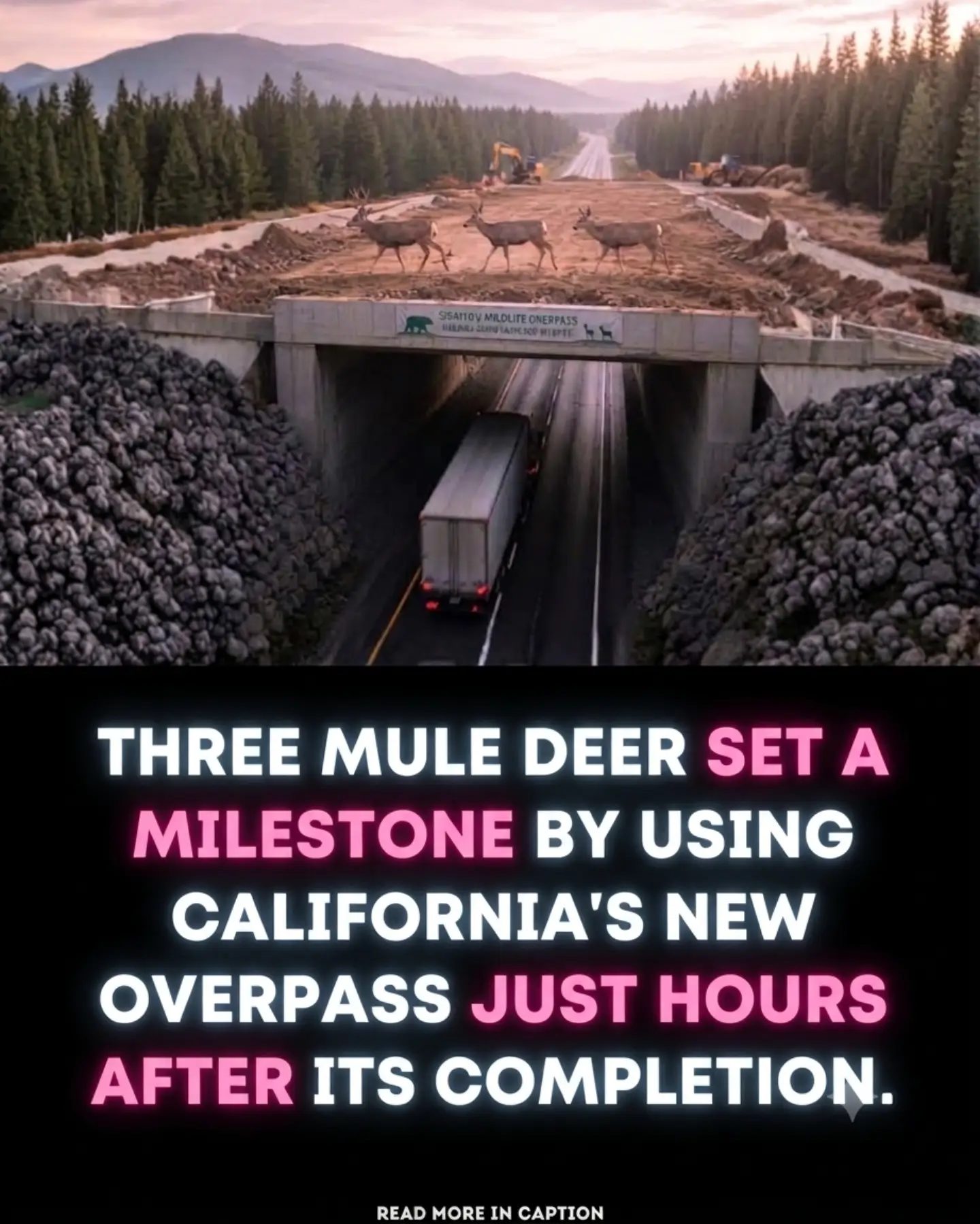
Wildlife overpasses are becoming an increasingly vital tool in the conservation of California's diverse wildlife. These structures, designed to allow animals to cross busy highways safely, are crucial in areas like Siskiyou County, where Highway 97 had long been a deadly obstacle for local fauna. For years, this stretch of road claimed the lives of over 50 deer and 16 elk in just five years. The construction of a wildlife overpass in this region marks a significant step towards mitigating this devastating impact.
Why This Matters
The importance of wildlife overpasses cannot be overstated. They serve as critical infrastructure in areas where human development intersects with natural habitats. By providing safe passage over highways, these structures help to:
- Reduce wildlife-vehicle collisions, which can be fatal for animals and dangerous for drivers.
- Preserve genetic diversity by allowing animals to move between habitats.
- Protect local ecosystems by reducing fragmentation, which can disrupt animal behaviors and population dynamics.
The Construction and Impact of California's New Overpass
The Urgent Need for Solutions
For years, Siskiyou County faced a dire situation. Highway 97 was a death trap, especially for larger mammals like deer and elk. The swift construction of the overpass was a response to this urgent need, highlighting the state's commitment to protecting both wildlife and human safety. The overpass was designed to bridge the divide, both literally and metaphorically, between the growing human presence and the need for wildlife to thrive.
The 15-Hour Miracle
The overpass was a marvel of timely engineering. The construction crews had barely finished and left the site when the first animals arrived. The overpass, still in its raw, unfinished state, saw its first users almost immediately. Three mule deer, without any signs, maps, or training, stepped onto the overpass and made their way across. This moment was captured by UC Davis cameras, documenting a historic first use of the new wildlife crossing.
Instinct Wins
Animals are known for their adaptive abilities, and the speed at which these mule deer adopted the new overpass is a testament to this. The moment the safer path was available, the deer instinctively sought it out. This event highlights an important aspect of wildlife behavior: given the opportunity, animals will often find their own way to safety. With wildlife populations in many regions under increasing pressure from human activity, it's essential that we provide them with safe passageways.
Practical Tips for Wildlife Conservation
Design and Placement
Construction of wildlife overpasses involves careful consideration of several factors:
- Location: Overpasses should be placed in areas where wildlife activity is high and where animals are regularly crossing the road.
- Design: The structure should be wide enough to accommodate various species and tall enough to prevent animals from being deterred by the height.
- Vegetation: Planting native vegetation on and around the overpass can make it more attractive and familiar to wildlife.
Public Awareness and Support
Community involvement is crucial for the success of wildlife conservation efforts:
- Education: Raising awareness about the importance of wildlife overpasses can garner public support and encourage vigilance.
- Volunteerism: Community members can contribute to monitoring and maintenance, ensuring the overpasses remain effective and safe.
- Reporting: Encouraging residents to report wildlife sightings and incidents can help in designing and improving these infrastructure projects.
Importance of Wildlife Overpasses
Long-term Benefits
Wildlife overpasses offer a range of long-term benefits:
- Safety: They reduce the risk of accidents involving wildlife and vehicles, making roads safer for both humans and animals.
- Habitat Connectivity: These structures help maintain connectivity between fragmented habitats, allowing animals to move freely and access resources.
- Conservation: By preserving wildlife populations, overpasses contribute to the overall health of ecosystems, ensuring that native species can thrive.
Future Prospects
As more overpasses are constructed, we can expect to see a broader range of species benefiting from these safe passages. Future overpasses will likely be designed to accommodate even larger species like bears, mountain lions, and wolves, providing them with safe routes across highways.
Conclusion
Wildlife overpasses are a critical step forward in the conservation of California's diverse ecosystems. The successful use of the newly constructed overpass on Highway 97 in Siskiyou County underscores the importance of such infrastructure. By providing safe passage for wildlife, we can help preserve biodiversity and ensure the safety of both animals and humans. As more of these structures are built, we can look forward to a future where our highways and nature can coexist harmoniously.
Watch the Reel
Related deep dives
Similar reads based on topic and creator.




Recent articles
Fresh deep dives from the latest Reels we unpacked.



Comments
Be the first to comment.