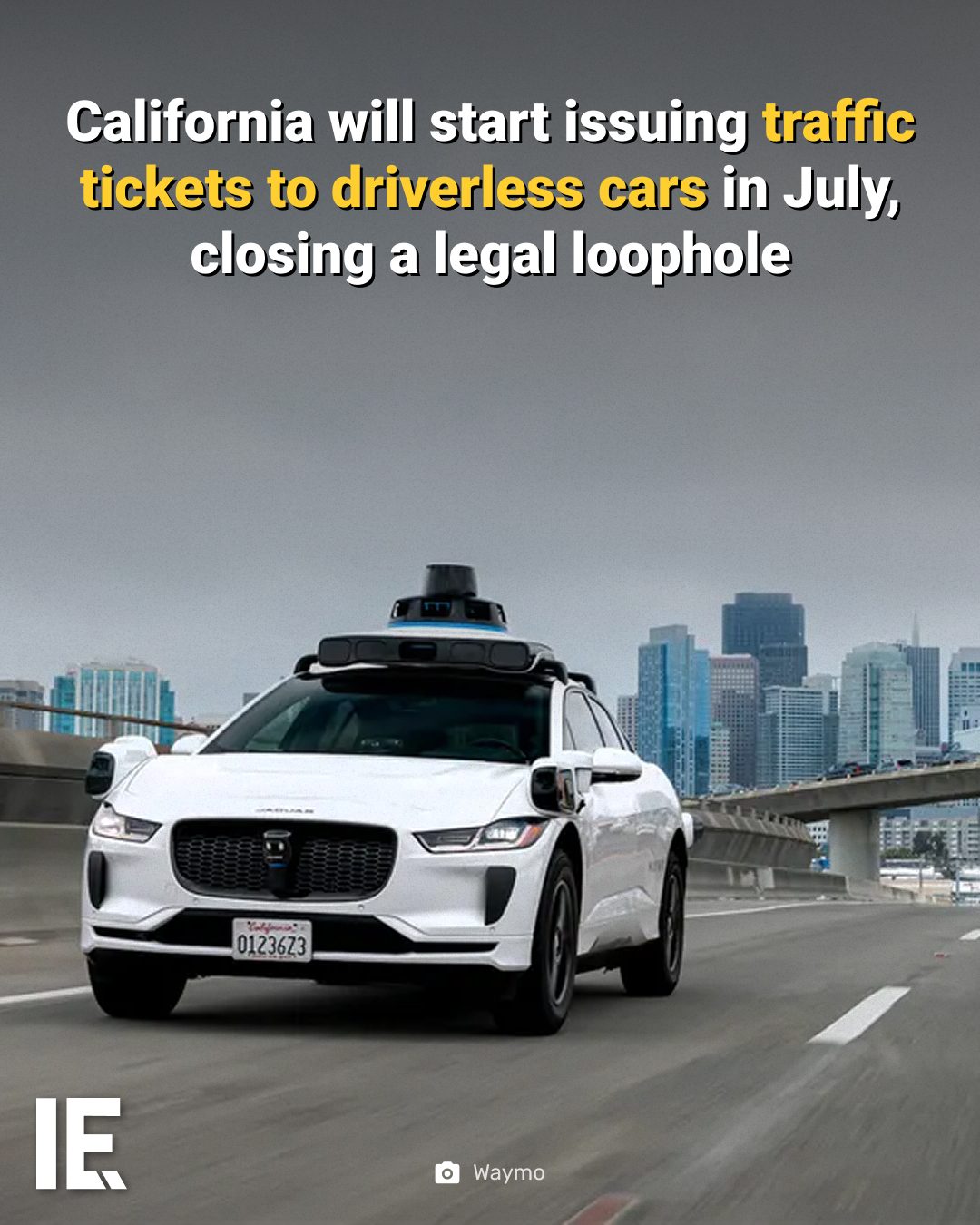
Driverless Car Tickets: What You Need to Know About California's New Regulations
Autonomous vehicles, particularly those operated by Waymo, are set to face new regulations in California starting in July 2026. These regulations aim to close a significant legal loophole that has long hindered law enforcement's ability to ticket driverless cars. Here, we break down the key aspects of these new rules and what they mean for the future of autonomous vehicles.
Context / Why This Matters
Autonomous vehicles represent a groundbreaking advancement in transportation technology, promising increased safety and efficiency on the roads. However, their rapid development has outpaced the legal framework governing their operation. The new regulations in California address key issues that have arisen as autonomous vehicles become more prevalent.
New Regulations for Autonomous Vehicles
Traffic Citations for Driverless Cars
Starting in July 2026, California's Department of Motor Vehicles (DMV) will require autonomous vehicles to be subject to traffic citations. This means that if a driverless car, such as a Waymo vehicle, violates traffic laws, the manufacturer will receive a "notice of AV noncompliance."
This shift closes a legal loophole that has previously allowed driverless cars to evade traffic violations. Since there is no driver to ticket, the notice will be sent directly to the vehicle's manufacturer. For example, if a Waymo runs a red light, the ticket will be issued to Waymo's headquarters in Mountain View.
Pre-Deployment Testing Requirements
The new regulations also introduce stringent pre-deployment testing requirements for autonomous vehicles. Light-duty vehicles will need to complete 50,000 miles of testing, while heavy-duty vehicles will require 500,000 miles. This extensive testing is designed to ensure the safety and reliability of autonomous vehicles before they hit the roads.
Emergency Responder Authority
In addition to traffic citations and testing requirements, the new regulations give emergency responders more authority over autonomous vehicles during crises. This enhancement aims to improve the response to emergencies and ensure that autonomous vehicles do not hinder emergency services.
Scrutiny and Controversies Surrounding Waymo
The new regulations come amid growing scrutiny of Waymo, one of the leading companies in the autonomous vehicle industry. Waymo has faced investigations over incidents involving school buses and has been criticized for blocking emergency responders during an Austin mass shooting. These incidents highlight the need for stricter regulations and oversight to ensure the safe and responsible operation of autonomous vehicles.
Practical Tips for Autonomous Vehicle Manufacturers
Compliance with Regulations
Manufacturers of autonomous vehicles must ensure compliance with the new regulations to avoid legal repercussions. This includes conducting thorough pre-deployment testing and implementing mechanisms to receive notices of AV noncompliance.
Enhanced Safety Measures
Given the scrutiny and controversies surrounding autonomous vehicles, manufacturers should prioritize safety. This includes developing advanced safety features and protocols to prevent incidents that could compromise public safety.
Collaboration with Emergency Services
Manufacturers should work closely with emergency responders to ensure that autonomous vehicles do not hinder emergency services. This includes implementing features that allow emergency responders to override the vehicle's autonomous systems during crises.
Transparent Communication
Manufacturers should maintain transparent communication with the public and regulatory bodies. This includes providing updates on safety measures, testing results, and any incidents involving their autonomous vehicles.
Important Takeaways
- Legal Compliance: Autonomous vehicle manufacturers must comply with new regulations, including pre-deployment testing requirements and traffic citation protocols.
- Safety First: Prioritizing safety is crucial for manufacturers to avoid controversies and ensure public trust.
- Emergency Preparedness: Collaboration with emergency services is essential to ensure that autonomous vehicles do not hinder emergency responses.
- Public Trust: Transparent communication and adherence to regulations will help build public trust in autonomous vehicles.
Conclusion
The new regulations for autonomous vehicles in California represent a significant step toward ensuring the safe and responsible operation of driverless cars. By addressing key issues such as traffic citations, pre-deployment testing, and emergency responder authority, these regulations aim to close legal loopholes and enhance public safety. As the industry continues to evolve, manufacturers like Waymo must prioritize compliance, safety, and transparency to build public trust and ensure the successful integration of autonomous vehicles into our transportation systems.
Watch the Reel
Questions readers ask
What are the new California AV rules for 2026?
Starting in 2026, California's new rules will require manufacturers of autonomous vehicles to receive notices of AV noncompliance when their vehicles violate traffic laws. This means that driverless cars will no longer be able to evade traffic violations, and manufacturers will be held accountable for their vehicles' actions.
How will these regulations affect manufacturers like Waymo?
Manufacturers like Waymo will now be responsible for ensuring their driverless cars comply with traffic laws. When a violation occurs, manufacturers will receive a notice of AV noncompliance, which they must address to maintain their operational permits.
What is the legal loophole that these new rules aim to close?
The legal loophole involves the ability of driverless cars to evade traffic violations. Until now, there was no clear process for ticketing autonomous vehicles for infractions like red light violations, so these new rules aim to rectify that and ensure accountability.
Will these new rules impact the operation of autonomous vehicles in California?
Yes, autonomous vehicles will need to adhere strictly to traffic laws to avoid noncompliance notices. This may lead to adjustments in their programming and operational boundaries, ensuring a higher level of compliance with California's traffic laws.
What happens when an autonomous vehicle is involved in a traffic violation?
When an autonomous vehicle is involved in a traffic violation, the manufacturer will be notified of the AV noncompliance. The manufacturer must then address the issue, which may involve updating the vehicle's software or challenging the notice if they believe it was issued in error.
Are there any exceptions to these new rules for driverless cars?
The new rules apply broadly to all autonomous vehicles operating in California. However, specific exemptions or adjustments may be made for emergency responders or unique operational scenarios, as determined by regulatory authorities.
Related deep dives
Similar reads based on topic and creator.


Recent articles
Fresh deep dives from the latest Reels we unpacked.




Comments
Be the first to comment.