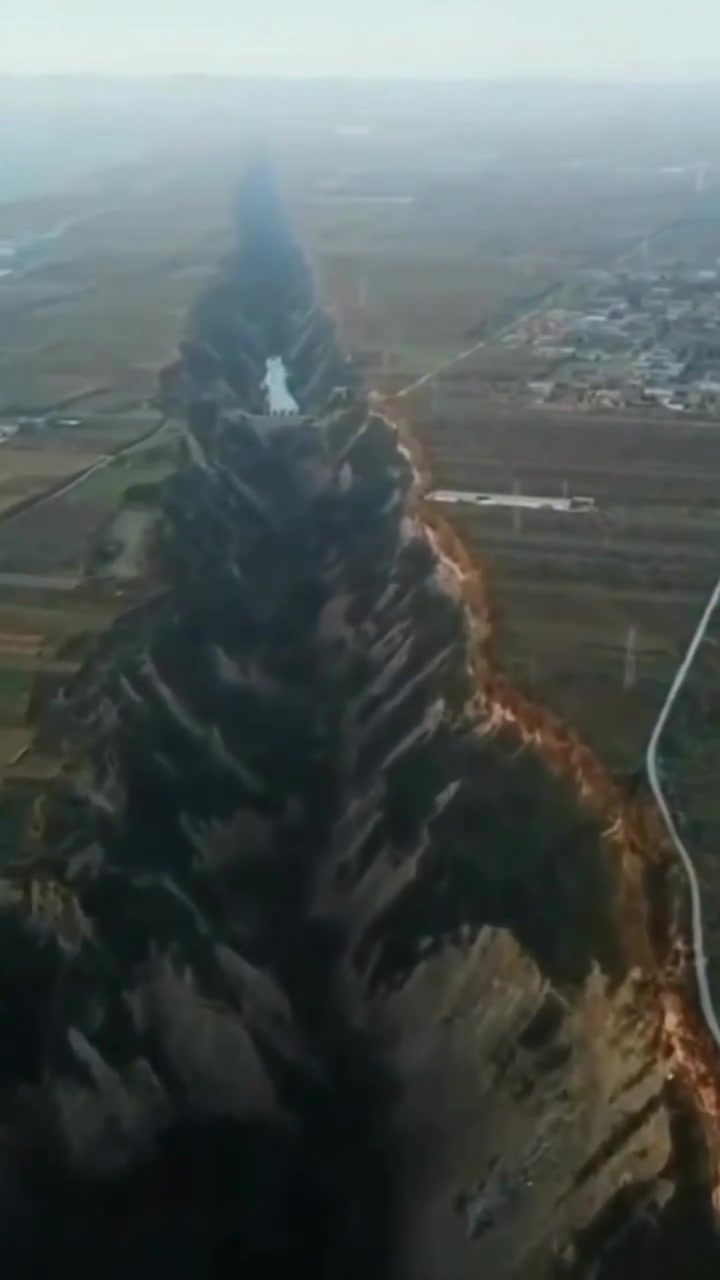
Fault Lines in California
Stress accumulation along California’s most renowned fault line has been interrupted for decades, but seismic activity is brewing beneath the surface. Geologists are not speculating whether the fault will shift again, but when. California’s landscape is a tapestry of geological activity. The Golden State sits on the boundary of the Pacific and North American tectonic plates, where the intersection releases energy through earthquakes. Most of California’s big earthquakes occur along the San Andreas Fault, a 700-mile crack in the Earth. Too many predict that this natural beauty is an illusion. The fault has been locked for several decades. This does not mean that it is dormant, but rather, it is storing energy. Like a compressed spring, the fault is exerting stress from within. It is straining to release the energy and the moment of release is the point of rupture. Slowly, energy is building within the fault. The lack of a major earthquake is not a sign of safety, but of a delayed risk — akin to a storm that has been brewing for years. The absence of movement conceals seismic energy, which is trapped beneath the surface and increasing in force. This means the fault is building up energy with every passing day and the longer it goes unrelieved, the stronger the eventual movement will be. Therefore, the question is not whether it will move again, but when. It is like a storm gathering on the horizon. The San Andreas Fault runs from the Salton Sea in Southern California through the statewide framework of the Carrizo Plain. A hotspot for geologic research. The Great 1906 event left the city in ruins. But since then geologists have not had a good explanation for why the fault line has been so quiet. There is a “locking” mechanism that prevents the fault from slipping. When the fault is locked, the two blocks of crust stay stuck together. But the energy continues to build up. And the longer it stays locked, the more energy builds up, and the worse the earthquake will be. When it finally slips, it can release that energy and cause an earthquake. The energy stored up can induce a massive quake that will cause widespread destruction and loss of life. If the fault does break it could roar like a monster, damaged infrastructure, devastated communities and changed the landscape to the point of non-recognition. But the fault line has been unusually quiet for decades, this has puzzled seismic experts.
Signs of a Sleeping Beast
The geological makeup of California means that major earthquakes are inevitable. Unfortunately, the groundwork shows that the San Andreas Fault is slowly building up energy in a way that could produce a catastrophic event. This quake could leave residents vulnerable to further disruptions. The fault line has been unusually quiet for several years, even though seismic activity has not ceased. The fault has been locked for decades, but stress is building beneath the surface. Similar periods of long-term inactivity have been seen in the past. However, geologists question whether the lack of recent activity means that the fault is simply taking a nap. For example, before the 1906 earthquake, the fault line was also quiet for several decades. It is not uncommon to have long periods of inactivity. The fault zone has been subdued for a long time. This could mean that a significant event is in the pipeline. The big question in California’s geological community is whether they are prepared for major events.
Watch the Reel
Related deep dives
Similar reads based on topic and creator.



Recent articles
Fresh deep dives from the latest Reels we unpacked.



Comments
Be the first to comment.