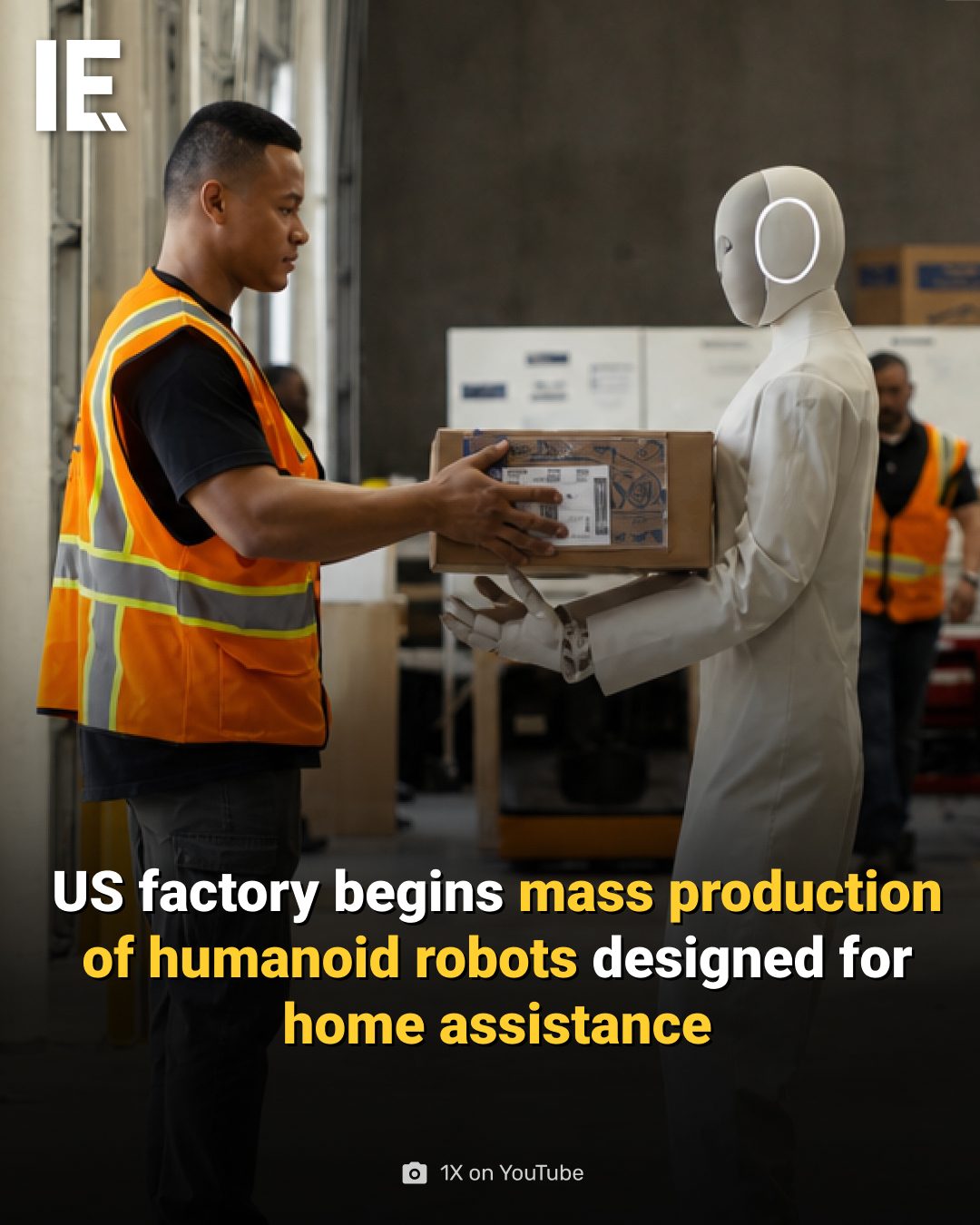
Humanoid Robot Production
The landscape of home assistance is set to change dramatically. A new factory in California is gearing up for full-stack manufacturing of humanoid robots. These robots are specifically designed to assist with daily tasks in the home. This development signifies a growing interest in home robotics, with early demand highlighting significant consumer enthusiasm for this innovative technology.
Why This Matters
The advent of humanoid robots in home settings marks a pivotal shift in how we approach domestic tasks and lifestyle management. These robots are not just tools; they are designed to integrate seamlessly into our daily lives, offering assistance that ranges from simple household chores to more complex tasks that require human-like interactions. For instance, imagine a robot that can help with cooking, cleaning, and even providing companionship. The potential impact on quality of life, especially for the elderly or individuals with disabilities, is profound.
Moreover, the establishment of a full-stack manufacturing facility in California underscores the industry's commitment to scaling up production. This move suggests a robust supply chain, ensuring that these robots can be produced efficiently and at a scale that meets growing demand. The integration of advanced technologies in robotics, such as artificial intelligence and machine learning, allows for continuous improvement and adaptation to user needs.
Main Discussion
Advancements in Humanoid Robot Design
The design of these humanoid robots is tailored for home assistance, incorporating features that mimic human movements and behaviors. This is not merely about aesthetics but about functionality. For example, the ability to handle objects with dexterity, navigate through household environments, and interact with humans in a natural way are crucial aspects of their design.
Key Features
- Human-like Movements: The robots are engineered to move with fluidity, mimicking human actions to perform tasks like lifting, carrying, and manipulating objects.
- AI and Machine Learning: Integrated AI allows these robots to learn and adapt to user preferences, making them more efficient over time.
- Voice and Gesture Recognition: These robots can understand and respond to verbal commands and gestures, enhancing their usability and interaction capabilities.
The Role of Full-Stack Manufacturing
Full-stack manufacturing involves managing the entire production process, from raw material procurement to final assembly and quality control. This approach ensures high-quality products and efficient production. For humanoid robots, this means that every component, from the sophisticated sensors to the advanced motors, is meticulously crafted and integrated. This level of control over the manufacturing process is vital for ensuring that the robots meet the high standards required for home use.
Benefits of Full-Stack Manufacturing
- Quality Control: Each component is rigorously tested to ensure reliability and performance.
- Efficiency: Streamlined production processes reduce lead times and costs, making the robots more accessible to consumers.
- Innovation: The ability to iterate quickly and implement improvements based on real-world feedback.
Market Demand and Consumer Interest
The early demand for these humanoid robots is a testament to the growing interest in home robotics. Consumers are increasingly looking for ways to simplify their lives, and these robots offer a promising solution. The market for home assistance robots is expected to grow significantly in the coming years, driven by factors such as an aging population and the increasing need for home automation.
Trends Driving Demand
- Aging Population: As the population ages, there is a growing need for assistance with daily tasks.
- Home Automation: The trend towards smart homes and automated devices is driving interest in more advanced and capable robots.
- Technological Advancements: Continuous improvements in AI and robotics are making these devices more capable and affordable.
Practical Tips
If you're considering investing in a humanoid robot for home assistance, here are some practical tips to help you make an informed decision:
Assess Your Needs
Before purchasing, evaluate your specific needs and the tasks you want the robot to perform. Different models may have varying capabilities, so it's essential to choose one that aligns with your requirements.
Research Brands and Models
While specific brands may not be mentioned, it's crucial to research the different options available. Look for brands with a proven track record in quality and reliability, and read reviews from other users to gauge their performance.
Consider the Learning Curve
Humanoid robots, despite their advanced design, may still require some learning and adaptation. Be prepared to spend time getting acquainted with the robot's features and capabilities.
Maintenance and Support
Ensure that the robot you choose comes with adequate maintenance and support services. Regular updates and support can extend the lifespan and functionality of your robot.
Important Takeaways
The shift towards full-stack manufacturing of humanoid robots in California signals a significant leap in the home robotics industry. These robots, designed for home assistance, have the potential to revolutionize daily living by offering efficient and reliable help with various tasks. The strong early demand indicates a growing consumer interest in this technology, driven by factors such as an aging population and the trend towards home automation.
Conclusion
The future of home assistance is undoubtedly exciting, with humanoid robots poised to play a significant role. As manufacturing capabilities advance and consumer demand grows, we can expect to see more innovative and capable robots entering the market. Whether you're looking for help with daily chores or seeking a more automated lifestyle, these robots offer a promising solution. Stay tuned for more developments in this rapidly evolving field.
Watch the Reel
Questions readers ask
What types of tasks can these humanoid robots assist with at home?
These humanoid robots are designed to help with a wide range of domestic tasks. This includes simple chores like cleaning and organizing, as well as more complex activities that require human-like interactions, such as assisting with mobility or providing reminders for daily routines.
Who can benefit from these home assistance robots?
The primary beneficiaries of these robots are the elderly and individuals with disabilities. However, anyone looking to enhance their lifestyle with added convenience can also find these robots useful. They offer support for daily tasks, allowing users to manage their homes more efficiently.
Where is the factory producing these humanoid robots located?
The factory producing these humanoid robots is located in California, marking a significant step in the state's role as a hub for technological innovation and mass production of home assistance robots.
What does the mass production of these robots mean for consumers?
Mass production means that these robots will become more accessible and affordable for consumers. This initiative is a response to significant consumer enthusiasm, indicating a growing demand for these innovative solutions in home task management.
How do these robots integrate into daily life?
These robots are designed for seamless integration into daily routines. They can perform tasks autonomously and interact with users in a way that mimics human assistance, making them a natural extension of daily domestic task management.
What makes these robots unique compared to other home assistance devices?
These humanoid robots offer a higher level of interaction and versatility compared to other home assistance devices. Their advanced design allows them to handle a broader range of tasks and interact with users in a more human-like manner, providing comprehensive support in the home.
Are there any specific features that make these robots suitable for the elderly and those with disabilities?
These robots are equipped with features that enhance safety and convenience. They can assist with mobility, provide reminders for medication and appointments, and perform tasks that might be challenging for individuals with disabilities, offering a lifeline of support for daily living.
Related deep dives
Similar reads based on topic and creator.



Recent articles
Fresh deep dives from the latest Reels we unpacked.




Comments
Be the first to comment.