Caffeine and Adenosine
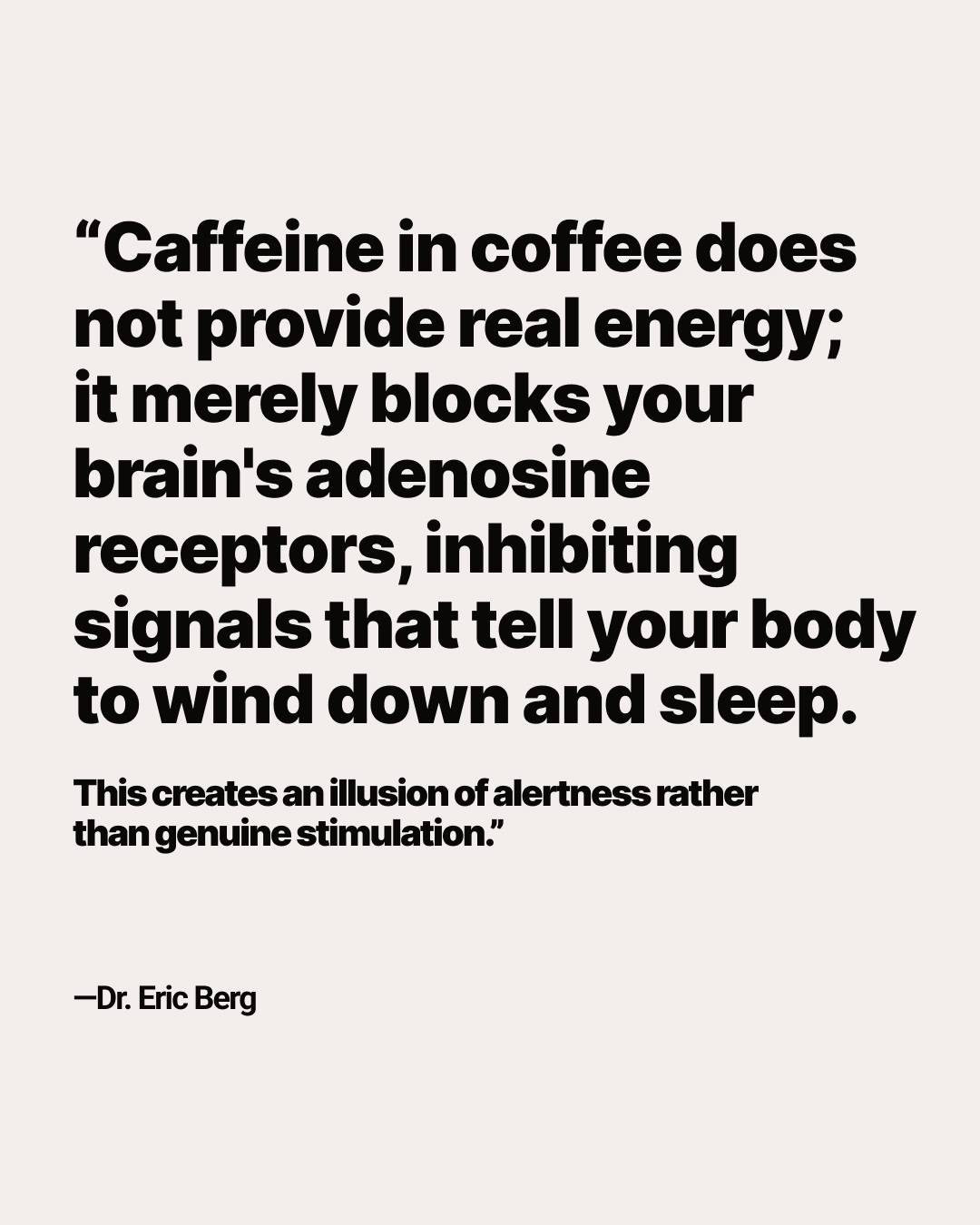
Caffeine is a widely consumed stimulant, often associated with increased alertness and energy. However, it's crucial to understand that caffeine doesn't actually provide energy. Instead, it works by blocking adenosine receptors in the brain, creating an illusion of alertness.
What are Adenosine and ATP?
Adenosine is a compound in the body that plays a key role in regulating the sleep-wake cycle. It is a byproduct of ATP (adenosine triphosphate), often referred to as the body's energy currency. ATP provides the energy needed for various cellular processes, and adenosine is produced as a result of ATP breakdown.
How Caffeine Affects the Brain
Caffeine has a chemical structure similar to adenosine. This similarity allows caffeine to bind to adenosine receptors in the brain, effectively blocking adenosine from doing its job. Adenosine usually signals the body to wind down and prepare for sleep. When caffeine binds to these receptors, it inhibits these signals, leading to a perceived state of alertness.
The Illusion of Alertness
It's important to note that caffeine doesn't provide genuine energy or stimulation. Rather, it creates an illusion of alertness by preventing the onset of tiredness. This means that while you might feel more awake, your body isn't actually more energized. Over time, this can lead to a cycle of dependency, where you need more caffeine to maintain the same level of alertness.
Natural Ways to Increase Energy
Instead of relying on caffeine, there are several natural ways to boost energy levels:
Sunlight
Exposure to natural light helps regulate the body's circadian rhythm, which in turn influences energy levels. Try to get at least 15-30 minutes of sunlight each day, preferably in the morning.
Exercise
Regular physical activity boosts energy levels by improving cardiovascular health and increasing the production of endorphins, which are natural mood elevators. Even a short walk can make a significant difference.
Electrolytes
Electrolytes are minerals that play a crucial role in various bodily functions, including hydration and energy production. Foods rich in electrolytes, such as bananas, leafy greens, and nuts, can help maintain energy levels.
Adaptogens
Adaptogens are a class of herbs known for their ability to help the body adapt to stress and promote overall well-being. Examples include ashwagandha, rhodiola, and ginseng. These can be incorporated into your diet or taken as supplements.
The Role of Biological Signals
Our bodies are influenced by ten key biological signals that control how we feel every day. These signals include factors like hormone levels, neurotransmitter activity, and overall metabolic health. While caffeine can temporarily mask feelings of fatigue, addressing the underlying signals that govern your energy levels is a more sustainable approach.
Practical Tips for Managing Energy Levels
Limit Caffeine Intake
While it's tempting to reach for another cup of coffee, try to limit your caffeine intake. This can help prevent dependency and ensure that your body's natural energy processes aren't disrupted.
Stay Hydrated
Dehydration can cause fatigue and low energy levels. Make sure to drink plenty of water throughout the day to stay hydrated and maintain optimal energy.
Prioritize Sleep
Quality sleep is essential for overall health and energy levels. Aim for 7-9 hours of sleep per night and establish a consistent sleep schedule to improve your energy reserves.
Balanced Nutrition
A balanced diet rich in nutrients can provide the fuel your body needs to function optimally. Focus on whole foods, including fruits, vegetables, lean proteins, and whole grains, to support your energy levels.
Important Takeaways
Caffeine doesn't provide real energy; it merely blocks adenosine receptors, creating an illusion of alertness. To naturally increase energy, focus on sunlight exposure, regular exercise, electrolyte intake, and adaptogens. Understanding and addressing the underlying biological signals that govern your energy levels is key to maintaining long-term vitality.
Conclusion
While caffeine can be a quick fix for fatigue, it's not a sustainable solution for maintaining energy levels. By prioritizing natural methods for boosting energy, such as sunlight exposure, exercise, and a balanced diet, you can support your body's natural processes and feel more energized throughout the day.
Watch the Reel
Questions readers ask
How does caffeine affect the brain's alertness system?
Caffeine mimics the structure of adenosine, a compound that regulates sleep. By binding to adenosine receptors, caffeine blocks the effects of adenosine, which would normally promote sleepiness. This blockage creates an illusion of alertness, as the brain perceives a lack of need to rest.
Does caffeine provide actual energy or just the feeling of it?
Caffeine does not provide actual energy. It merely blocks adenosine receptors, leading to a temporary feeling of alertness. The body’s actual energy levels, determined by ATP, remain unchanged.
What is the role of adenosine in the body's sleep-wake cycle?
Adenosine plays a crucial role in regulating the sleep-wake cycle. As a byproduct of ATP, adenosine accumulates during the day and signals the brain to prepare for sleep at night. By binding to adenosine receptors, caffeine interferes with this process.
How does caffeine influence fatigue and sleepiness?
Caffeine combats fatigue and sleepiness by blocking adenosine receptors. Adenosine normally accumulates in the body, signaling the need for sleep. By preventing adenosine from binding to its receptors, caffeine delays the onset of fatigue and sleepiness, resulting in a perceived increase in alertness.
What is the relationship between caffeine and dopamine?
While caffeine primarily affects alertness by blocking adenosine receptors, it also indirectly influences dopamine. The heightened alertness can lead to increased activity in the brain's reward pathways, potentially boosting dopamine levels. This adds to the overall stimulatory effect of caffeine.
How does caffeine create the illusion of increased energy?
Caffeine creates the illusion of increased energy by interfering with adenosine's role in the brain. Normally, adenosine would slow down nerve cell activity, making you feel tired. However, caffeine blocks these receptors, giving the false impression that the body has more energy than it actually does.
Why does caffeine consumption lead to a perceived increase in alertness?
Caffeine leads to a perceived increase in alertness by preventing adenosine, a compound that causes drowsiness, from binding to its receptors in the brain. This blockage results in the brain not receiving signals to slow down, thereby creating the illusion of heightened alertness.
Related deep dives
Similar reads based on topic and creator.




Recent articles
Fresh deep dives from the latest Reels we unpacked.




Comments
Be the first to comment.