Marketing and Trust
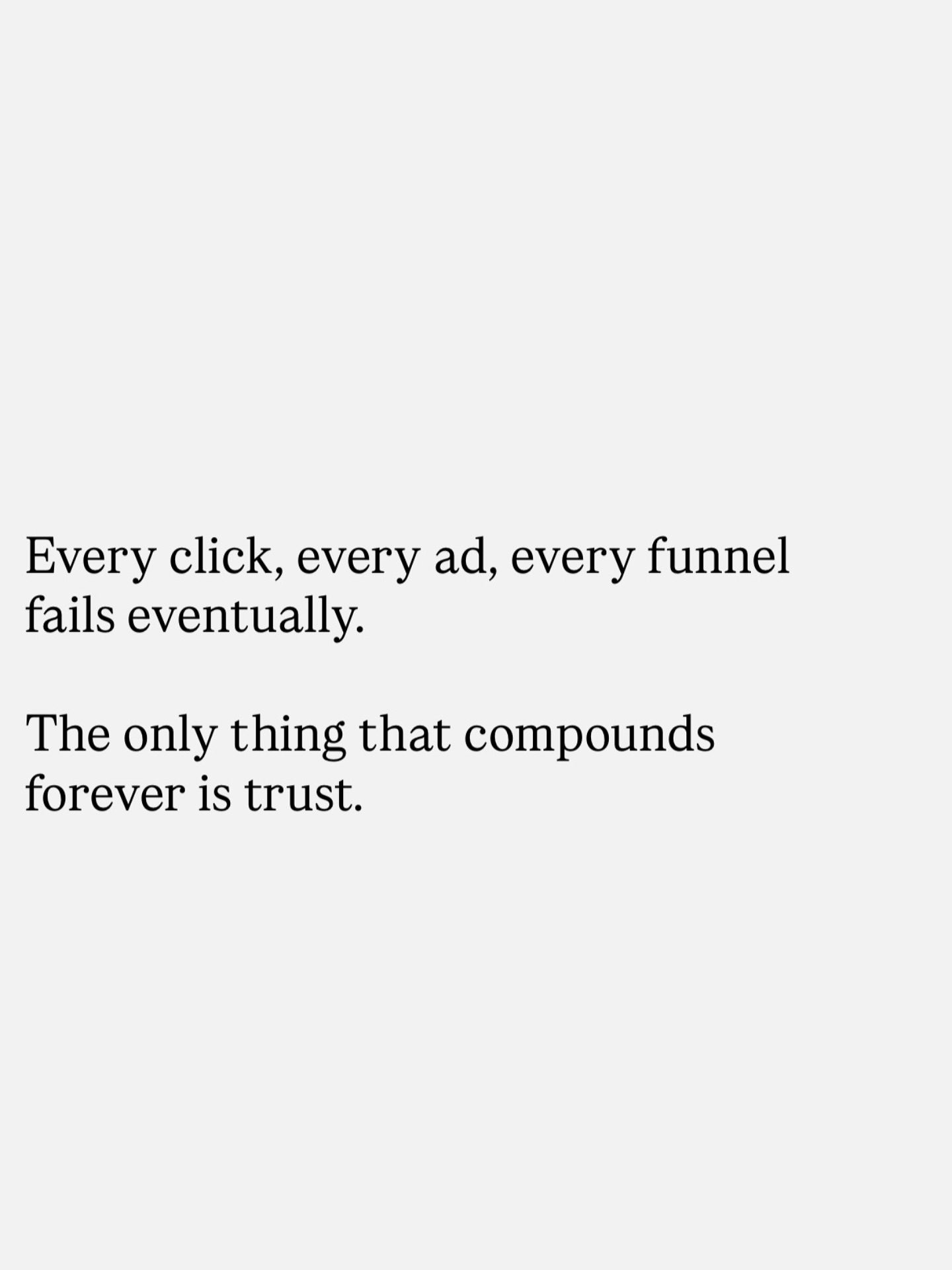
The intersection of marketing and trust is a fundamental aspect of any successful business strategy. While marketing tactics like clicks, ads, and funnels can drive immediate results, they often fall short in building lasting connections. Trust, on the other hand, is a long-term asset that compounds over time, creating a foundation that no algorithm update can erase.
Why This Matters
In today's competitive landscape, building trust should be a top priority for any business. Trust isn't just a nice-to-have; it's a critical factor that can make or break a brand. When customers trust a brand, they are more likely to become loyal advocates, recommend the brand to others, and remain resilient to competitors' offers. Unlike short-term marketing tactics, trust is a sustainable asset that can withstand market fluctuations and changing consumer behaviors.
The Pitfalls of Short-Term Marketing Tactics
The Transient Nature of Clicks, Ads, and Funnels
Every click, every ad, and every funnel, no matter how effective, will eventually fail. These tactics are designed to capture attention quickly and drive immediate results, but they are not built to last. The digital landscape is constantly evolving, with algorithms, consumer behaviors, and market trends changing rapidly. Relying solely on these short-term strategies can leave a business vulnerable to these shifts.
The Inevitability of Change
Marketing strategies that focus on short-term gains often overlook the inevitability of change. Algorithms update, user preferences shift, and new competitors emerge. Businesses that rely on temporary marketing tactics may find themselves constantly playing catch-up, always chasing the next big trend or tactic. This reactive approach can be exhausting and ultimately unsustainable.
Building Trust: The Long-Term Solution
Consistency in Presence
One of the key ways to build trust is by showing up consistently. This means maintaining a steady presence in the minds of your audience, whether through regular content updates, social media posts, or customer interactions. Consistency isn't just about being seen; it's about being reliable and predictable. When your audience knows they can count on you, they are more likely to trust you.
Delivering Value
Trust is built on a foundation of value. This means delivering more than you take, providing value to your audience without expecting immediate returns. This could be in the form of informative content, exceptional customer service, or solutions that genuinely help your audience. When you consistently deliver value, you build a strong, loyal following who trusts your brand.
Transparency and Integrity
Transparency and integrity are essential components of trust. This means being honest and authentic in all your interactions. It's about making it easy for people to believe you because you've never given them a reason not to. When your audience sees that you are genuine and trustworthy, they are more likely to trust your brand and become loyal advocates.
Practical Tips for Building Trust
Focus on Long-Term Relationships
Rather than chasing quick wins, focus on building long-term relationships with your audience. This means investing in strategies that nurture trust over time. Engage with your audience, listen to their feedback, and respond to their needs. Building a community of loyal customers is far more valuable than a fleeting surge in clicks or ads.
Prioritize Customer Experience
The customer experience is a crucial factor in building trust. Ensure that every interaction with your brand is positive and memorable. This includes everything from your website and customer service to your product quality and delivery. A seamless, enjoyable experience can significantly enhance trust and loyalty.
Communicate Clearly and Consistently
Clear and consistent communication is vital for building trust. This means being transparent about your products, services, and business practices. Avoid hidden fees, misleading claims, or ambiguous language. Instead, communicate openly and honestly, and be consistent in your messaging across all channels.
Embrace Feedback and Adapt
Trust is built through continuous improvement. Embrace feedback from your audience and use it to make improvements. Showing that you listen to and act on feedback demonstrates that you value your audience, which in turn builds trust and loyalty.
Important Takeaways
Trust is the cornerstone of any successful business strategy. Unlike short-term marketing tactics, trust is a long-term asset that compounds over time, creating a foundation that can withstand market fluctuations and changing consumer behaviors. By focusing on consistency, delivering value, and maintaining transparency, you can build a strong, loyal following that will support your brand for years to come. Remember, trust is not built overnight, but it is worth the investment.
Conclusion
Marketing and trust are inextricably linked. While short-term tactics like clicks, ads, and funnels can drive immediate results, they are not a sustainable strategy. Building trust, on the other hand, requires a long-term approach that focuses on consistency, value, and transparency. By investing in trust, you create a resilient foundation that can weather any storm and build a loyal customer base that supports your brand through thick and thin.
Watch the Reel
Questions readers ask
How does trust differ from other marketing tactics in the long run?
Trust is a long-term asset that grows over time, unlike transient tactics such as ads or discounts. While these tactics might bring immediate results, they don't create a lasting bond with customers. Trust, however, fosters customer loyalty and resilience, making it a sustainable foundation for marketing success.
Why is building trust a priority for businesses today?
In a highly competitive market, trust is a critical factor that sets a brand apart. Customers who trust a brand are more likely to become loyal advocates, recommend the brand to others, and remain resilient to competitors' offers. This makes trust a vital component of a successful marketing strategy.
How does trust benefit customer loyalty through marketing?
When customers trust a brand, they are more likely to remain loyal, even in the face of market changes or competitors' offers. Trust fosters a strong connection between the customer and the brand, making customers more resilient and less likely to switch to competitors. This loyalty is a direct result of the trust built through consistent, authentic marketing efforts.
What are some examples of consistent trust-building strategies in digital marketing?
Consistent trust-building strategies in digital marketing include creating high-quality content that addresses customer needs, engaging with customers on social media, and being transparent about business practices. Regularly delivering on promises, providing excellent customer service, and maintaining consistent branding are also key to fostering trust.
How does trust compare to discounts or clever ads in marketing?
While discounts and clever ads can attract customers initially, they don't build a lasting connection. Trust, on the other hand, creates a strong bond with customers and fosters loyalty. Customers are more likely to choose a brand they trust over one that offers a discount or a clever ad, making trust a more valuable asset in the long run.
Can you give an example of how trust is fostered through content marketing?
Trust can be fostered through content marketing by consistently providing valuable, relevant, and high-quality content. By addressing customer concerns, answering their questions, and offering solutions, a brand can establish itself as a reliable and trustworthy source. This approach not only builds trust but also enhances the brand's credibility and reputation over time.
What makes trust a sustainable marketing strategy?
Trust is a sustainable marketing strategy because it creates a solid foundation that can withstand market changes and algorithm updates. Unlike transient marketing tactics, trust compounds over time, making it a long-term asset that ensures customers remain loyal and engaged. By consistently delivering on promises and building authentic connections, brands can foster trust as a sustainable competitive advantage.
Recent articles
Fresh deep dives from the latest Reels we unpacked.




Comments
Be the first to comment.