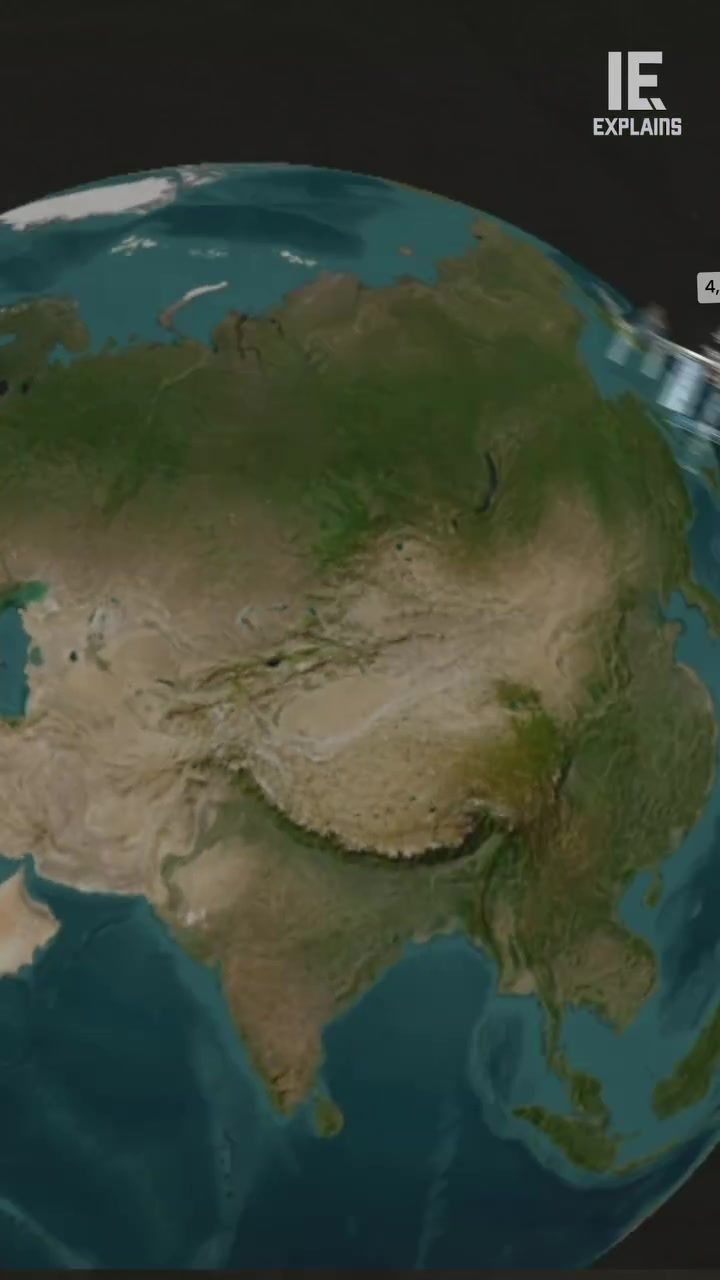
Building Data Centers in Space
The idea of building data centers in space might seem like science fiction, but it's a real and ongoing endeavor driven by some of the world's most influential tech billionaires and companies. This ambitious project faces significant challenges, from designing new technology to withstand the harsh conditions of space to navigating the regulatory and logistical hurdles on Earth. Let's dive into the complexities and motivations behind this futuristic venture.
Why Build Data Centers in Space?
The primary drivers for building data centers in space are efficiency and desperation. Local officials are increasingly reluctant to approve new server farms on Earth due to their substantial land use, strain on power grids, and high water consumption for cooling. Tech executives are exploring space as a solution to these permitting fights, aiming to escape the regulatory constraints and environmental impact concerns.
The Race is On
The competition to build these computing mega-structures in space has already begun. In November 2025, just 21 months after its founding, StarCloud launched its first satellite, StarCloud One. This satellite is equipped with an Nvidia H100 GPU, a hundred times more powerful than any GPU ever operated in space before. With this advanced technology, StarCloud became the first entity to train a large language model (LLM) in space and run a version of Gemini, showcasing the potential of space-based computing.
Challenges of Space-Based Data Centers
While the potential benefits are clear, the obstacles are formidable. The harsh conditions of space, including extreme temperatures and radiation, pose significant challenges for technology. Radiation, in particular, is a major concern. The Rad 5500 processors commonly used in space have a performance of only about 0.9 gigaflops (giga floating point operations per second), whereas the Nvidia A100, a commercial off-the-shelf chip used on Earth, achieves a performance of 156 teraflops. This discrepancy is largely due to the need for radiation-hardened components, which can cost upwards of $200,000 compared to $300 for an Earth-based processor.
Navigating the Orbit
Another significant challenge is the vast amount of space debris and active satellites in orbit. With 6,600 tons of space junk and over 14,000 active satellites, navigating this minefield requires precise maneuvering and fuel management. The debris is not evenly distributed, and most of it is not in sun-synchronous orbit, adding to the complexity of avoiding collisions. Additionally, solar panels on satellites are at risk of being hit by debris at velocities of several kilometers per second, 20 to 50 times faster than a rifle bullet, further complicating the logistics.
Key Components and Technology
Nvidia GPUs
Nvidia GPUs, particularly the Nvidia H100, are at the forefront of this space-based computing revolution. These GPUs are not only powerful but also essential for training large language models and running advanced computing tasks in space. The Nvidia H100, with its unprecedented power, is a game-changer in this field, enabling tasks that were previously impossible in space.
Rad 5500 Processors
The Rad 5500 processors, although less powerful, are crucial for space applications due to their radiation-hardened design. These processors are used in satellites and other space-based systems where reliability and resistance to radiation are paramount. However, their performance is significantly lower than that of commercial off-the-shelf (COTS) chips used on Earth, highlighting the trade-offs required for space-based computing.
Practical Tips for Space-Based Computing
- Radiation-Hardened Components: Invest in radiation-hardened processors and other components to ensure reliability and performance in space.
- Debris Avoidance Systems: Develop advanced systems for detecting and avoiding space debris to protect satellites and other space-based assets.
- Efficient Power Management: Optimize power consumption and management to extend the lifespan of space-based data centers and reduce the need for frequent refueling.
- Regulatory Compliance: Work closely with regulatory bodies to navigate the complexities of launching and operating data centers in space.
Practical Considerations for Tech Executives
- Collaboration and Partnerships: Form strategic partnerships with companies and organizations that have experience in space technology and operations.
- Investment in R&D: Allocate significant resources to research and development to overcome the technical challenges of space-based computing.
- Public Awareness and Support: Engage with the public and stakeholders to build support for space-based data centers and address any concerns or misconceptions.
Important Takeaways
- High Costs and Complexity: Building data centers in space is highly complicated and very expensive, requiring new technologies to deal with galactic radiation, extreme temperatures, and other challenges.
- Regulatory Hurdles: Local officials are increasingly reluctant to approve new server farms on Earth, driving the need for space-based solutions.
- Technological Advancements: Nvidia GPUs and radiation-hardened processors are essential for space-based computing, but significant performance trade-offs are required.
- Space Debris and Navigation: Navigating the vast amount of space debris and active satellites poses a significant challenge for space-based data centers.
Conclusion
Building data centers in space is a monumental task fraught with technical, regulatory, and logistical challenges. However, the potential benefits, including escape from regulatory constraints and environmental impact concerns, make it an attractive proposition for tech billionaires and companies like Nvidia. As the race to build these computing mega-structures in space continues, the technological advancements and solutions developed will undoubtedly shape the future of computing and space exploration.
Watch the Reel
Related deep dives
Similar reads based on topic and creator.


Recent articles
Fresh deep dives from the latest Reels we unpacked.




Comments
Be the first to comment.